






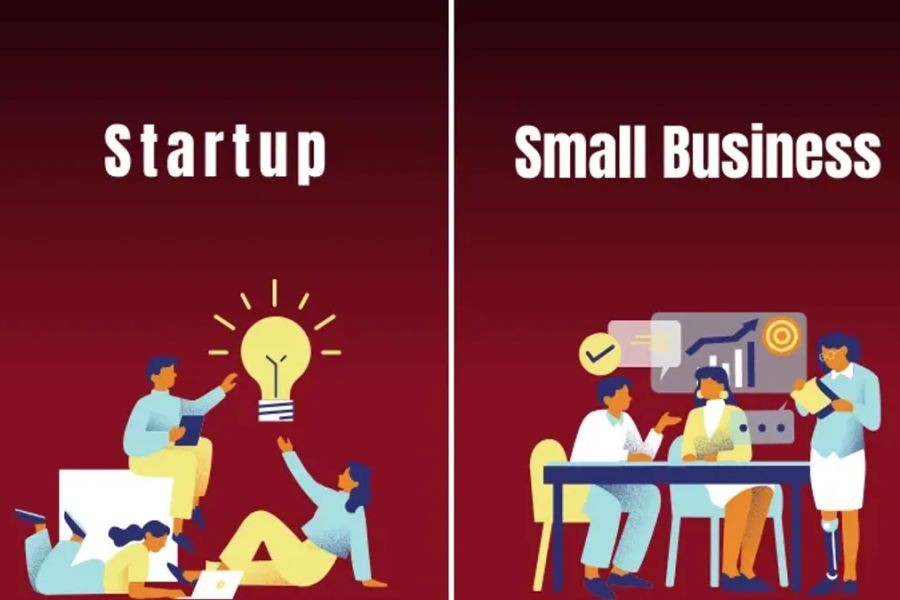
In the dynamic landscape of Australian agribusiness, entrepreneurs face the pivotal decision of choosing between establishing a small business or a startup. While both paths offer unique opportunities, understanding the nuances of each can significantly impact long-term success. This article delves into the core differences, benefits, and challenges of small businesses and startups, providing insights tailored for the agribusiness sector in Australia.
Understanding Small Businesses and Startups
In the agribusiness sector, a small business typically refers to a locally-oriented enterprise focusing on providing goods or services within a specific community or region. According to the Australian Bureau of Statistics, small businesses comprise over 97% of all Australian businesses, reflecting their critical role in the economy. These enterprises often prioritize steady growth and sustainability, making them a vital part of the local economic fabric.
On the other hand, a startup is characterized by its innovative approach and scalability potential. Startups are typically designed to grow rapidly by leveraging technology and innovative business models. They often seek external investment to fuel expansion and are more likely to disrupt traditional markets. The Reserve Bank of Australia notes that the tech-driven nature of startups presents significant opportunities for rapid growth, albeit with higher risks.
Key Differences in Structure and Goals
- Business Model: Small businesses usually operate on a traditional business model, focusing on profitability and self-sustainability. In contrast, startups often aim for rapid growth, relying on investment and scalability.
- Risk and Reward: Small businesses tend to have lower risk with stable returns, while startups involve higher risk but potentially higher rewards.
- Innovation: Startups are typically innovation-driven, seeking to disrupt existing markets, whereas small businesses focus on providing consistent value to their customer base.
Pros and Cons of Each Path
Pros of Small Businesses
- Stability: Small businesses often have a stable revenue stream, supported by a loyal customer base.
- Community Engagement: They play a crucial role in local economies, fostering community relationships and local employment.
- Control: Owners have more control over business decisions without the pressure of external investors.
Cons of Small Businesses
- Limited Growth Potential: Growth is often restricted to local markets, limiting expansion opportunities.
- Resource Constraints: They may struggle with limited access to capital and resources compared to startups.
Pros of Startups
- scalability: Startups are designed to scale rapidly, potentially reaching national or global markets.
- Innovation-Driven: They often lead in technological advancements and disruptive solutions.
- High Growth Potential: Startups can achieve significant market share and valuations with successful execution.
Cons of Startups
- High Risk: The failure rate is higher due to the volatile nature of scaling and market entry.
- Funding Dependency: Startups often rely on external funding, leading to potential loss of control.
Case Study: AgriDigital – A Path to Success
AgriDigital, an Australian agritech startup, exemplifies the potential of startups in the agribusiness sector. Founded in 2015, AgriDigital aimed to revolutionize the grain supply chain using blockchain technology. Their innovative approach led to significant improvements in transparency and efficiency, addressing key issues in the traditional supply chain model.
Problem: The grain supply chain faced challenges with transparency, leading to inefficiencies and mistrust among stakeholders.
Action: AgriDigital implemented blockchain solutions to create a secure, transparent, and efficient transaction platform.
Result: Within three years, AgriDigital's platform processed over 1.6 million tonnes of grain, improving transaction security and stakeholder trust. Their innovative approach attracted significant investment, enabling further growth and expansion.
Takeaway: This case study highlights the transformative potential of innovative solutions in agribusiness. Startups like AgriDigital demonstrate how technology can address industry challenges, offering valuable lessons for aspiring entrepreneurs.
Common Myths and Mistakes
Myth: "Startups are only for tech industries." Reality: While tech startups are prevalent, industries like agribusiness are increasingly embracing startup models to drive innovation.
Myth: "Small businesses can't compete with large corporations." Reality: Small businesses thrive by offering personalized services and building strong community relationships, creating a competitive edge.
Myth: "Startups require massive capital to succeed." Reality: Many successful startups began with minimal resources, leveraging creativity and strategic partnerships.
Regulatory Insights and Future Trends
The Australian Competition & Consumer Commission (ACCC) and the Australian Taxation Office (ATO) provide essential guidelines for both small businesses and startups, ensuring compliance with national standards. Understanding these regulations is crucial for navigating the business landscape effectively.
Future trends indicate a growing emphasis on sustainability and technology in agribusiness. The Australian government’s focus on innovation and digital transformation presents opportunities for startups to lead in sustainable agricultural practices. Meanwhile, small businesses can benefit by adopting digital tools to enhance efficiency and customer engagement.
Final Takeaways
- Choosing between a small business and a startup depends on your goals, risk tolerance, and resource availability.
- Startups offer high growth potential but come with increased risk and funding requirements.
- Small businesses provide stability and community engagement, with opportunities for steady growth.
- Understanding local regulations and industry trends is essential for success in the Australian agribusiness sector.
Conclusion
In the vibrant Australian agribusiness landscape, deciding between a small business and a startup is a critical choice that can shape your entrepreneurial journey. By understanding the unique advantages and challenges of each path, you can make informed decisions that align with your goals and aspirations. Whether you opt for the stability of a small business or the innovative potential of a startup, success lies in strategic planning, adaptability, and a keen understanding of the market dynamics. Ready to embark on your entrepreneurial journey? Share your thoughts and experiences in the comments below!
People Also Ask (FAQ)
- How do small businesses contribute to the Australian economy? Small businesses play a crucial role by creating jobs, driving innovation, and contributing significantly to the GDP.
- What are the common challenges faced by startups in Australia? Startups often face challenges like securing funding, navigating regulatory frameworks, and scaling operations effectively.
- How can agribusiness startups leverage technology for growth? By adopting innovative technologies like blockchain and IoT, agribusiness startups can enhance efficiency, transparency, and market reach.
Related Search Queries
- Small business vs. startup in Australia
- Agribusiness startups in Australia
- Small business trends in 2025
- Startup funding in Australia
- Australian agritech innovations





























Swosti hotels
1 month ago