



Walk into your local Woolworths or Coles this week, and you might find the milk has moved. Again. For most shoppers, this is a minor annoyance, a quirk of modern retail. For an investor, it’s a multi-billion dollar dance of psychology, data, and ruthless strategy playing out in real-time. The seemingly chaotic rearrangement of a grocery store’s layout is not random; it’s one of the most sophisticated and financially consequential applications of behavioural economics in the Australian market. It’s a lever pulled to directly influence the single most important metric in retail: the average transaction value. Ignoring the mechanics of this is like analysing a tech startup without understanding its unit economics.
The Supermarket as a Behavioural Science Lab
The core principle is simple: increased exposure leads to increased sales. But the execution is fiendishly complex. The modern supermarket layout is a carefully engineered journey, designed to maximise ‘dwell time’ and strategically trigger impulse purchases. This isn't about finding what you need quickly; it's about discovering what you didn't know you wanted.
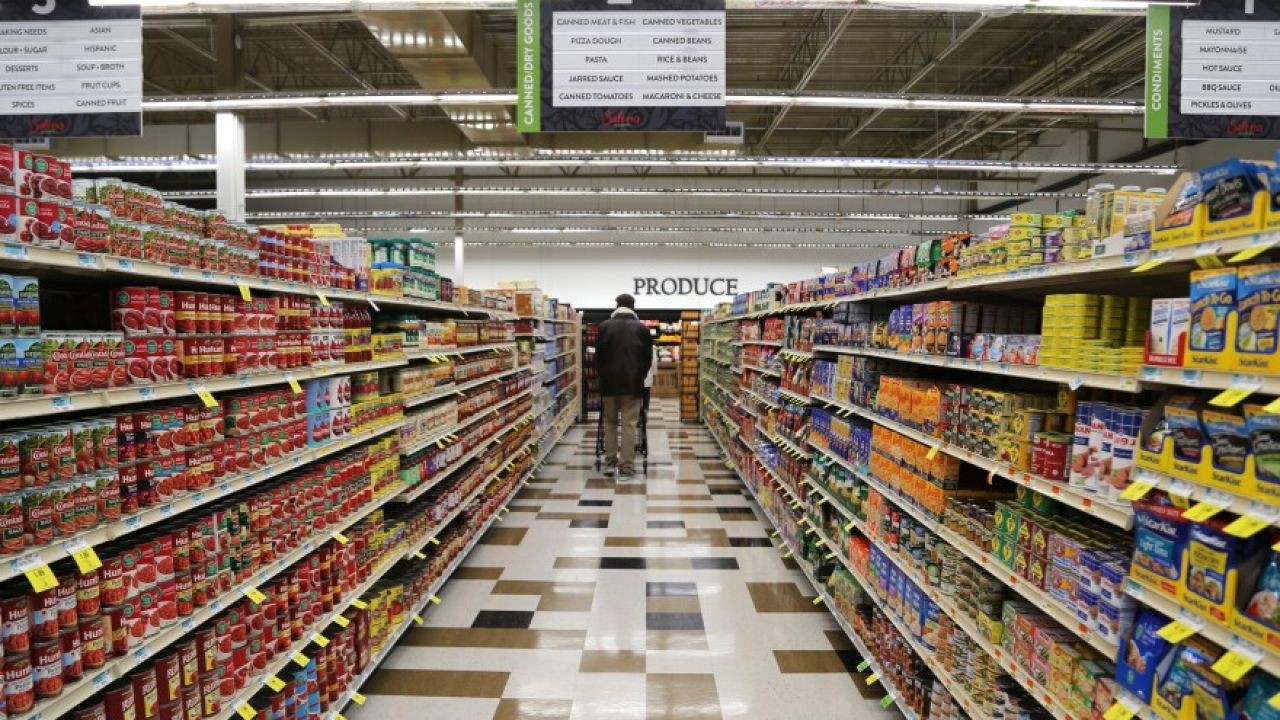
The journey typically begins with the fresh produce section. Why? The vibrant colours and scents create a positive, healthy first impression, putting you in a more receptive and generous spending mood. It’s a sensory warm-up. From there, you’re often funnelled through the high-margin perimeter—bakery, deli, ready-made meals—before being released into the packaged goods aisles. Staples like milk, bread, and eggs are frequently positioned at the very back of the store or far apart from each other, a tactic known as the ‘forced walk.’ This ensures you traverse the maximum possible product exposure, passing countless opportunities for unplanned additions to your trolley.
From consulting with local businesses across Australia, I’ve seen this principle scaled down to even the smallest retail outfits. The logic is universal: control the path, control the profit. However, the scale and data-fidelity of the major supermarkets elevate this to a science. Every gondola end, every shelf position, is a revenue stream that is measured, tested, and optimised.
Case Study: The Strategic Reset & The "Space to Sales" Metric
Let’s examine a real-world, high-stakes application: the full-format store refurbishment. Major chains like Coles and Woolworths undertake these massive projects every 5-7 years, often costing tens of millions per store. The public rationale is "improving the customer experience." The investor rationale is a direct recalibration of sales density.
Problem:
A mature supermarket format has seen sales plateau. Category performance data reveals underperforming sections and changing demographic shifts in the catchment area (e.g., an increase in younger families, or a rise in health-conscious singles). The existing layout, designed for a previous consumer trend cycle, is no longer maximising sales per square metre—the critical "space to sales" ratio that investors scrutinise.
Action:
The retailer initiates a full "category reset." This isn't just moving a few aisles. It involves:
- Micro-Market Analysis: Using loyalty card data (Flybuys, Everyday Rewards) to understand the precise purchasing habits of that store's specific cohort.
- Planogram Warfare: Re-negotiating category layouts with suppliers. Prime real estate—eye-level shelves, aisle ends—is auctioned off commercially. A brand paying for a "featured space" promotion expects a calculable ROI on that slot.
- Strategic Expansion/Contraction: Expanding the health food, vegan, or premium international foods section while contracting underperforming categories. In my experience supporting Australian companies, I've seen the plant-based category's shelf space grow by over 300% in some stores in five years, directly mirroring investment trends in the sector.
- Traffic Flow Re-engineering: Widening aisles in high-traffic areas, repositioning checkouts, and creating "destination zones" for high-impulse items like meal kits or freshly baked goods.
Result:
The financial outcomes are meticulously tracked. A successful reset aims for:
- A 5-15% lift in overall store sales in the first year post-refurbishment.
- A significant increase in average basket size, often through higher-margin impulse items now placed in the new traffic flow.
- Improved inventory turnover and reduced waste in fresh categories due to better positioning.
For a store turning over $1 million per week, a 10% lift is an extra $5.2 million in annual revenue. That’s the investor-grade impact of a layout change.
Takeaway:
For an investor, a major chain's capital expenditure on store refurbishments is not a cost line to be minimised; it is a direct investment in sales density and future earnings. It’s a tangible, store-level lever for growth that is as important as any digital or marketing strategy. When analysing a retail play, always ask: "When was this format last refreshed, and what is the 'space to sales' trend?"
Assumptions That Don’t Hold Up
Many founders and even casual observers misunderstand the core drivers here. Let's correct three critical misconceptions.
Myth 1: "It's all about confusing the customer to make them stay longer." Reality: While disorientation can be a byproduct, the primary goal is guided discovery. The aim is to make the journey feel novel and rewarding, exposing shoppers to new products and promotions. Data from Woolworths’ analytics team has shown that a well-executed reset can actually improve customer satisfaction scores, as shoppers appreciate a refreshed, modern environment and discover new favourites.
Myth 2: "Online grocery shopping will make store layouts irrelevant." Reality: Online is a crucial channel, but it reinforces the importance of the physical store as a fulfilment and experience hub. "Dark stores" for online picking are laid out purely for efficiency, not persuasion. However, the brick-and-mortar store now serves a dual purpose: driving profitable impulse sales from walk-in customers and acting as a low-cost fulfilment node for online orders. Its layout must optimise for both.
Myth 3: "Layout changes are just about squeezing suppliers for more slotting fees." Reality: While commercial negotiations for prime positioning are a major revenue stream (and a point of intense scrutiny by the ACCC), the overarching strategy is consumer-centric. A category that doesn't resonate with shoppers, even if a supplier pays for placement, will eventually be moved. The goal is to maximise total store basket value, not just promotional income. Getting this balance wrong can attract regulatory attention, as the ACCC continues to monitor unfair trading practices in grocery supply chains.
The Data-Driven Engine: Loyalty Programs and Real-Time Analytics
The secret sauce is data. Australia’s supermarket duopoly possesses one of the most comprehensive datasets on consumer behaviour in the country through Flybuys (backed by Wesfarmers) and Everyday Rewards. This isn't just for issuing fuel discounts.
These programs allow for hyper-localised layout decisions. Drawing on my experience in the Australian market, a Woolworths in Toorak will have a vastly different wine and gourmet cheese section than one in Townsville, based on the purchasing data of their respective loyalty members. The ABS notes that household spending patterns differ significantly by region and demographics; supermarkets use their own far more granular data to act on this daily.
Furthermore, in-store technology like heat-mapping cameras and basket analysis tracks how customers move in real-time. Which aisles are avoided? Where do people congregate? This feedback loop turns the store into a living lab, allowing for constant, minor tweaks between major resets to optimise the profit-per-square-metre equation.
The Investor's Lens: Pros, Cons, and Strategic Implications
As an angel investor or venture capitalist, understanding this dynamic is crucial, whether you're looking at a direct retail play, a brand supplying into these stores, or a tech startup offering retail analytics.
✅ The Strategic Advantages (Pros):
- Powerful Lever on Margins: A successful layout change directly boosts sales without the need for discounting, protecting and expanding margin.
- Data Moats: The accumulated loyalty and transaction data create a significant barrier to entry for competitors and provide unparalleled R&D insights for new product categories.
- Supplier Dependence: The control over shelf space gives retailers immense power over suppliers, often translating into favourable payment terms and promotional allowances that boost cash flow.
- Adaptive Resilience: A culture of frequent, data-driven layout changes allows chains to rapidly respond to consumer trend shifts (e.g., the rapid rise of keto or plant-based).
❌ The Inherent Risks and Costs (Cons):
- Massive Capital Expenditure: Full-format refits are incredibly capital intensive. A misjudged format can lead to years of poor returns on that invested capital.
- Customer Alienation: If changes are too frequent or poorly communicated, they can frustrate core customers who value convenience and familiarity, potentially driving them to competitors or online.
- Regulatory Scrutiny: The use of market power in negotiations with suppliers is a perennial focus for the ACCC. Overreach can lead to costly litigation and enforced changes to business practices.
- Diminishing Returns: There is a physical limit to sales density. Eventually, the multi-million dollar cost of a refit may only yield incremental gains, challenging the ROI model.
Future Trends & Predictions: Where Retail Anthropology Meets AI
The next evolution is already underway, moving from reactive analytics to predictive and prescriptive design. We are moving beyond understanding how people shop to predicting what they will want next and designing the store to meet that future demand.
I predict that within five years, we will see:
- AI-Optimised Dynamic Planograms: Instead of a static quarterly planogram, AI will suggest daily or weekly micro-adjustments to shelf layouts based on weather, local events, and real-time sales data from neighbouring stores.
- Hyper-Personalised In-Store Navigation: Loyalty apps will evolve from simple shopping lists to providing turn-by-turn navigation for your specific list, while strategically suggesting personalised, high-margin additions based on your entire purchase history.
- Integration with Smart Carts and Shelf Sensors: This will close the loop between online and offline data, tracking not just what you buy, but what you pick up and put back. This level of intent data is marketing gold.
For Australian startups, the opportunity lies in providing the analytics engines, sensor technologies, and AI models that power this next generation of store design. The physical retail space is not dying; it is becoming a deeply connected, intelligent node in a broader commerce network.
Final Takeaway & Call to Action
The grocery store layout is a masterclass in applied behavioural finance. It demonstrates that in a low-margin, high-volume business, competitive advantage is won through the relentless, data-driven optimisation of a thousand small variables—from the placement of a chocolate bar to the width of an aisle.
For the investor, this is a critical framework. When evaluating any consumer-facing business, ask yourself: How does this company deliberately design the customer's journey to maximise lifetime value? Is it through a digital UI, a physical store layout, or a service protocol? The principles of guided discovery, friction creation for exposure, and data-driven iteration are universal.
Look beyond the financial statements of the listed giants. Scrutinise their capex plans for store refurbishments—it’s a direct signal of growth strategy. And for the angel investor, seek out the startups that are building the tools to measure and optimise these very human journeys. The store of the future isn't just stocked with products; it's built with data.
What’s your take? Have you seen a local retail business brilliantly optimise its layout, or catastrophically misjudge it? Share your observations—the most insightful retail investments often start with these fundamental insights.
People Also Ask (PAA)
How do supermarket layouts affect supplier competition in Australia? Prime shelf space is a key competitive battleground, often paid for via "slotting fees." This gives large suppliers with deep pockets an advantage, a dynamic the ACCC actively monitors to ensure it doesn't stifle competition from smaller, innovative Australian brands.
What is the "forced walk" strategy in supermarkets? It's the deliberate placement of staple items like milk at the back of the store to ensure customers walk through as much of the layout as possible, increasing their exposure to high-margin impulse purchase items along the way.
Are Coles and Woolworths layouts significantly different? While their core strategies are similar, they differentiate in execution—through exclusive brand ranges, store design aesthetics (e.g., Coles' "Fresh Stairs"), and localised category emphasis based on their proprietary loyalty program data, creating subtle but important variations in the customer journey.
Related Search Queries
- supermarket layout psychology Australia
- Coles Woolworths store refurbishment strategy
- how do grocery stores decide where to put products
- impact of loyalty cards on supermarket layout
- ACCC supermarket sector inquiry latest
- average basket size Australian supermarket 2024
- retail space optimisation technology startups Australia
- future of brick and mortar grocery stores
- behavioural economics in retail design
- supplier slotting fees Australia Coles Woolworths
For the full context and strategies on The Secret Behind Why Grocery Stores in Australia Change Their Layouts – The Secret Behind Its Growth in Australia, see our main guide: Influencer Lifestyle Videos Australia.