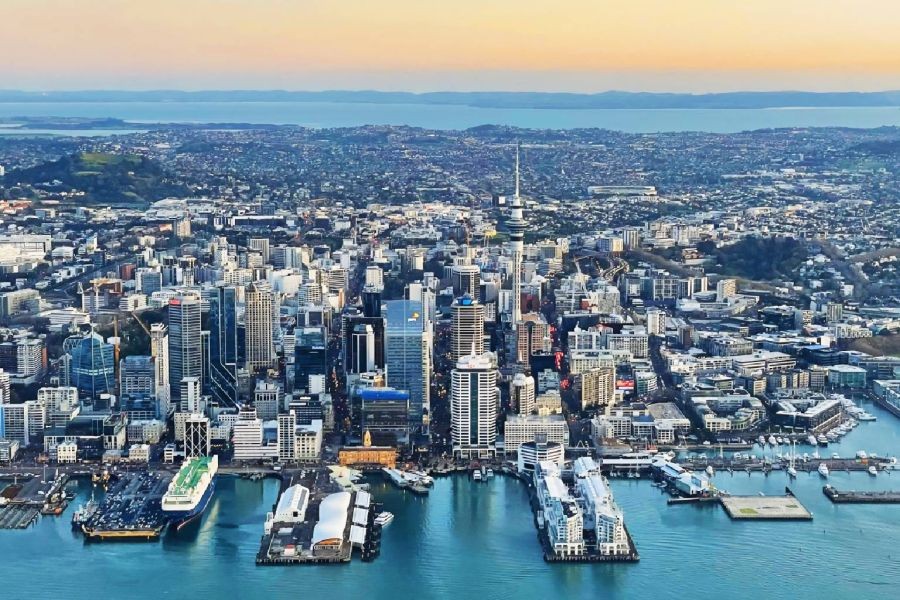





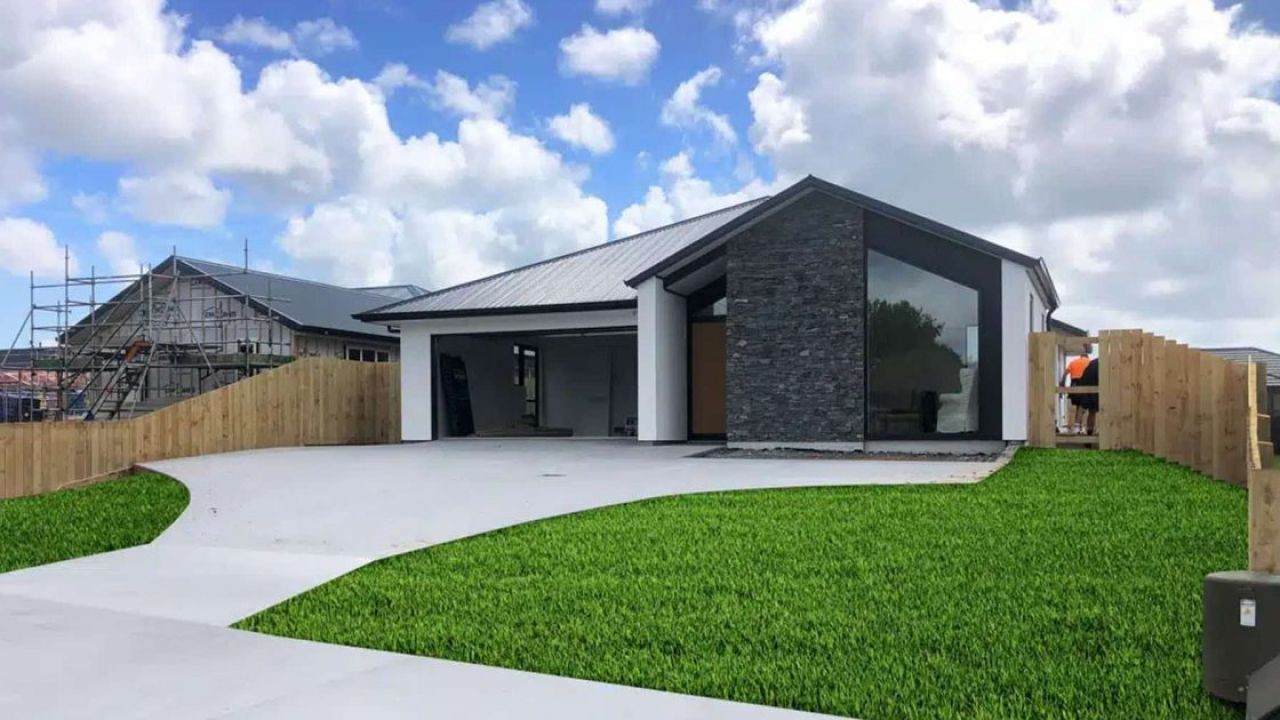
Urban development and housing challenges in Auckland are a microcosm of broader global trends, yet distinctly shaped by New Zealand's unique economic, cultural, and environmental factors. As Auckland continues to grow, it faces significant hurdles in accommodating its expanding population while maintaining livability and sustainability. This article delves into the multifaceted issues surrounding Auckland's urban development and housing, offering insights for marketing specialists and other stakeholders interested in understanding and navigating these complexities.
Pros & Cons of Urban Development in Auckland
✅ Pros:
- Economic Growth: Urban development stimulates job creation and boosts local economies, contributing to Auckland's status as a key economic hub in New Zealand.
- Infrastructure Improvement: Development projects often lead to upgraded infrastructure, enhancing public transport, roads, and utilities that benefit residents and businesses alike.
- Increased Housing Supply: New developments can help alleviate housing shortages, making homes more accessible to a growing population.
- Community Revitalization: Redevelopment of underutilized areas can revitalize communities, improving amenities and public spaces.
- Environmental Initiatives: Modern urban planning often incorporates sustainable practices, reducing carbon footprints and promoting eco-friendly living.
❌ Cons:
- Affordability Issues: Despite increased supply, housing prices remain high, often outpacing wage growth and leading to affordability crises.
- Gentrification Risks: Development can lead to the displacement of lower-income communities, altering neighborhood demographics and culture.
- Environmental Concerns: Urban sprawl can threaten local ecosystems and increase pollution if not managed sustainably.
- Infrastructure Strain: Rapid growth can overwhelm existing infrastructure, leading to congestion and service delays.
- Regulatory Challenges: Navigating complex planning and zoning regulations can delay projects and increase costs.
How Urban Development Works in Auckland: A Deep Dive
Urban development in Auckland is governed by a complex interplay of local government policies, market dynamics, and community needs. The Auckland Unitary Plan, a key regulatory framework, aims to guide the city's growth sustainably. It focuses on intensification, encouraging higher-density housing to make better use of land resources.
The plan's implementation faces challenges, including balancing development with heritage preservation and environmental protection. Developers must navigate a stringent consenting process, which can be time-consuming and costly, contributing to the city's housing affordability issues.
Case Study: Wynyard Quarter Redevelopment
Problem: Wynyard Quarter, a former industrial area, faced underutilization and environmental degradation.
Action: The redevelopment plan focused on transforming the area into a mixed-use urban precinct, incorporating residential, commercial, and recreational spaces. Emphasis was placed on sustainability, with green buildings, public transport links, and extensive public spaces.
Result: The project revitalized the area, attracting businesses and residents. It has become a vibrant community hub, demonstrating successful urban regeneration.
Takeaway: Strategic redevelopment with a focus on sustainability and community engagement can drive successful urban transformation.
Common Myths & Mistakes in Auckland's Urban Development
Myths
- Myth: "High-density living is unpopular in New Zealand."
- Reality: Trends show increasing acceptance of apartment living, especially among younger demographics and those seeking proximity to amenities and employment centers.
- Myth: "Urban development always leads to gentrification."
- Reality: While a risk, gentrification can be mitigated through inclusive planning and affordable housing initiatives.
- Myth: "Sustainability compromises development quality."
- Reality: Sustainable practices often enhance quality, offering long-term cost savings and environmental benefits.
Mistakes & Pitfalls
- Mistake: Ignoring community input during planning stages.
- Solution: Engage stakeholders early to align development goals with community needs and preferences.
- Mistake: Underestimating infrastructure capacity needs.
- Solution: Conduct thorough impact assessments to ensure infrastructure can support new developments.
- Mistake: Focusing solely on short-term gains.
- Solution: Prioritize long-term sustainability and livability to ensure enduring success.
The Future of Urban Development in Auckland
Looking ahead, Auckland's urban development will be shaped by technological advancements, policy shifts, and societal changes. The integration of smart city technologies is poised to enhance urban management, improving efficiency and sustainability.
According to a report by the Ministry of Business, Innovation and Employment (MBIE), New Zealand's commitment to reducing carbon emissions will further drive sustainable urban development practices. By 2030, it is predicted that smart technologies will be commonplace in Auckland's urban landscape, optimizing resource use and enhancing quality of life.
Conclusion
Urban development in Auckland presents a complex but exciting opportunity for growth and innovation. By navigating the challenges of affordability, sustainability, and community engagement, Auckland can set a benchmark for urban development in New Zealand and beyond. Stakeholders must collaborate to create vibrant, inclusive, and sustainable urban environments that meet the needs of all residents.
What's your take on Auckland's urban development challenges? Share your insights below!
People Also Ask
How does urban development impact businesses in New Zealand? Urban development enhances infrastructure and accessibility, boosting economic activities and creating business opportunities. However, it can also strain resources if not managed properly, impacting operational costs. What are the biggest misconceptions about urban development in Auckland? A common myth is that urban development inherently leads to gentrification. In reality, inclusive planning can mitigate negative impacts, fostering community well-being. What upcoming changes in New Zealand could affect urban development? By 2026, policy updates focusing on sustainability and technology integration could significantly shape urban development strategies in Auckland.
Related Search Queries
- Urban development strategies in New Zealand
- Auckland housing market trends 2025
- Sustainable urban planning in NZ
- Impact of urban sprawl in Auckland
- Smart city technologies in New Zealand
- Challenges in Auckland infrastructure
- Affordable housing solutions in Auckland
- Community engagement in urban development
- Future of real estate in New Zealand
- Policy changes affecting Auckland housing