






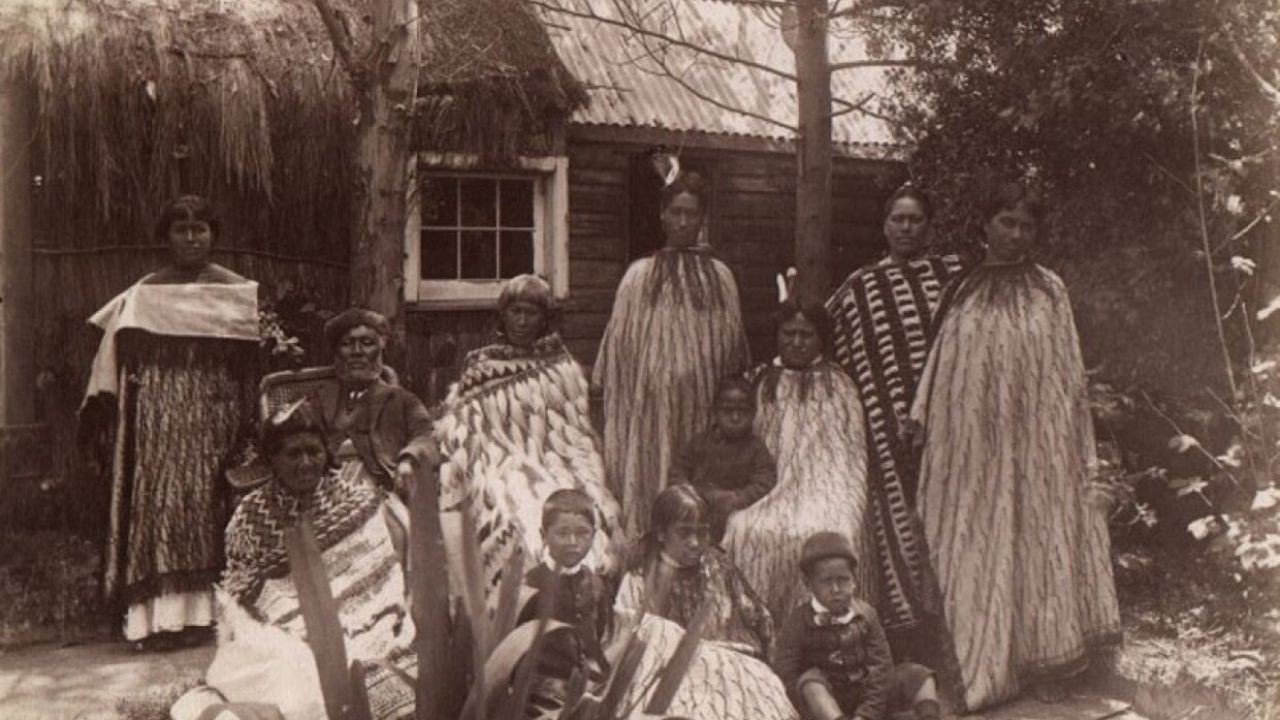
New Zealand's history is marked by numerous conflicts that have shaped its identity, economic policies, and social structures. Understanding these historical conflicts provides valuable insights into the nation's current economic landscape and potential future challenges. This article delves into the top 10 historical conflicts in New Zealand’s early years, examining their impacts on the economy and providing a unique perspective for economists and policymakers.
Here are the top 10 historical conflicts in New Zealand’s early years:
1. The Musket Wars (1807–1845)
A series of devastating intertribal conflicts fuelled by the introduction of muskets, these wars reshaped iwi boundaries and power structures. Tens of thousands of Māori were killed, enslaved, or displaced, and the conflicts dramatically altered traditional life.
2. The Boyd Massacre (1809)
After a dispute involving a mistreated Māori crew member, the ship Boyd was attacked at Whangaroa Harbour. More than 60 Europeans were killed, sparking fear among settlers and seafarers, and intensifying mistrust between Māori and Pākehā (Europeans).
3. The Elizabeth Affair (1830)
In one of the most notorious incidents of early New Zealand, a British ship named Elizabeth was used by Ngāti Toa chief Te Rauparaha to carry warriors who attacked rival Ngāi Tahu. The event caused outrage and highlighted the lawlessness in pre-colonial New Zealand.
4. Wairau Affray (1843)
The first major clash between British settlers and Māori after the Treaty of Waitangi, the Wairau Affray saw settlers attempt to survey disputed land. The confrontation turned violent, leaving 22 Europeans and four Māori dead.
5. Northern War (1845–1846)
Also known as the Flagstaff War, this was led by the famous Ngāpuhi chief Hone Heke. Angered by perceived breaches of the Treaty of Waitangi and declining Māori authority, Heke repeatedly cut down the British flagstaff at Kororāreka. The conflict ended without clear victory.
6. Hutt Valley Campaign (1846)
Tensions over land in the Wellington region led to armed clashes between settlers and Māori. Governor George Grey deployed British troops, and several battles were fought before the Crown declared control.
7. Wanganui War (1847)
Following the killing of a settler family, hostilities broke out between local iwi and settlers along the Whanganui River. Although short-lived, the war demonstrated the fragility of peace in areas of disputed land.
8. First Taranaki War (1860–1861)
Sparked by contested land sales at Waitara, this war saw Māori resist Crown attempts to enforce purchase agreements. The fighting drew in multiple iwi and exposed the growing scale of conflict between Māori and settlers.
9. Waikato War (1863–1864)
One of the largest and bloodiest conflicts in New Zealand history, the Waikato War was part of the broader New Zealand Wars. British forces invaded the Waikato heartland, targeting the Kīngitanga (Māori King Movement). Massive land confiscations followed.
10. Eastern and Urewera Conflicts (1865–1872)
These wars were fought in the aftermath of the Waikato campaign, particularly against followers of Pai Mārire (Hauhau) and later Te Kooti’s guerrilla forces. The Crown’s campaigns left lasting scars in Tairāwhiti and the Urewera regions.
The Musket Wars: A Catalyst for Economic Change
The Musket Wars (1807-1845) were a series of conflicts between various Māori tribes fueled by the acquisition of muskets. The introduction of firearms altered the balance of power, leading to significant social and economic changes. The wars prompted the migration of tribes, impacting land ownership and agricultural production. This period also saw the establishment of trade networks, as tribes sought muskets in exchange for flax and other resources.
Pros:
- Economic Growth: Increased trade opportunities with European settlers.
- Technological Advancement: Introduction of new agricultural practices and tools.
Cons:
- Social Displacement: Forced migration and population shifts among tribes.
- Resource Depletion: Over-exploitation of natural resources for trade.
The New Zealand Wars: A Struggle for Sovereignty
The New Zealand Wars (1845-1872) were a series of conflicts between Māori and European settlers over land rights and sovereignty. These wars had significant economic implications, particularly concerning land ownership and agricultural development. The confiscation of Māori land by the Crown for European settlement disrupted Māori economic structures, leading to long-term economic disparities.
Expert Insight: Professor Michael Belgrave from Massey University notes, “The New Zealand Wars were not just a battle for land but for economic power and control over resources.”
Pros:
- Infrastructure Development: Construction of roads and railways to support military and settler movement.
- Economic Expansion: Increased European settlement and agricultural development.
Cons:
- Land Confiscation: Loss of Māori land and economic autonomy.
- Long-term Inequality: Economic disparities between Māori and European populations.
Case Study: The Treaty of Waitangi Settlements
Problem: Post-conflict, Māori communities faced economic and social challenges due to land loss and cultural disruption.
Action: The Treaty of Waitangi settlements aimed to address historical grievances by providing compensation and land restitution.
Result: By 2023, over NZD 2.2 billion had been settled, enabling Māori tribes to invest in businesses and education, fostering economic growth within their communities.
Takeaway: The settlements highlight the importance of addressing historical injustices to achieve economic equity and social cohesion.
Economic Impacts of Historical Conflicts
The economic impact of these conflicts is evident in New Zealand's current economic policies and industry trends. The land confiscations and social disruptions have contributed to ongoing economic disparities between Māori and non-Māori populations. According to Stats NZ, Māori unemployment rates remain higher than the national average, highlighting the long-term economic consequences of historical conflicts.
Data Insight: A report by the Reserve Bank of NZ indicates that addressing these disparities could boost the country's GDP by up to 4% annually.
Common Myths & Mistakes
Myth: "The New Zealand Wars were purely about land." Reality: They were also about economic control and sovereignty, as noted by historian James Belich. Understanding this complexity is crucial for policymakers.
Myth: "Treaty settlements fully resolve historical grievances." Reality: While significant, settlements are just one step towards achieving economic equity and require ongoing efforts.
Future Trends & Predictions
As New Zealand continues to address the legacy of historical conflicts, future economic policies will likely focus on equity and sustainability. According to a 2024 report by the Ministry of Business, Innovation and Employment (MBIE), there is potential for significant economic growth by investing in Māori businesses and fostering partnerships that promote cultural and economic integration.
Conclusion
The historical conflicts in New Zealand's early years have left an indelible mark on its economic landscape. By understanding these conflicts, economists and policymakers can work towards creating a more equitable and prosperous future for all Kiwis. Addressing historical injustices and fostering economic integration will be key to unlocking New Zealand's full economic potential.
What are your thoughts on the economic impacts of these historical conflicts? Share your insights below!
People Also Ask
- How do historical conflicts impact New Zealand's economy today? Historical conflicts have led to long-term economic disparities, particularly affecting Māori communities, influencing current economic policies aimed at addressing these inequalities.
- What role did the Musket Wars play in New Zealand's economic development? The Musket Wars led to the establishment of trade networks and technological advancements, significantly impacting economic growth and land ownership dynamics.
Related Search Queries
- New Zealand historical conflicts
- Māori economic history
- Treaty of Waitangi settlements
- New Zealand Wars economic impact
- Musket Wars trade networks
- New Zealand economic disparities
- Māori land rights
- New Zealand historical land confiscation
- Impact of historical conflicts on New Zealand economy
- New Zealand economic growth potential