

26 August 2025

How to Understand the Deep Cultural Roots of New Zealand’s Art Scene – The Simple Guide That Works for Kiwi Entrepreneurs

Explore New Zealand's art scene and its cultural roots with this simple guide tailored for Kiwi entrepreneurs.

Music & Performing Arts

87K Views

153 Share

Advertisement

Advertise With Vidude


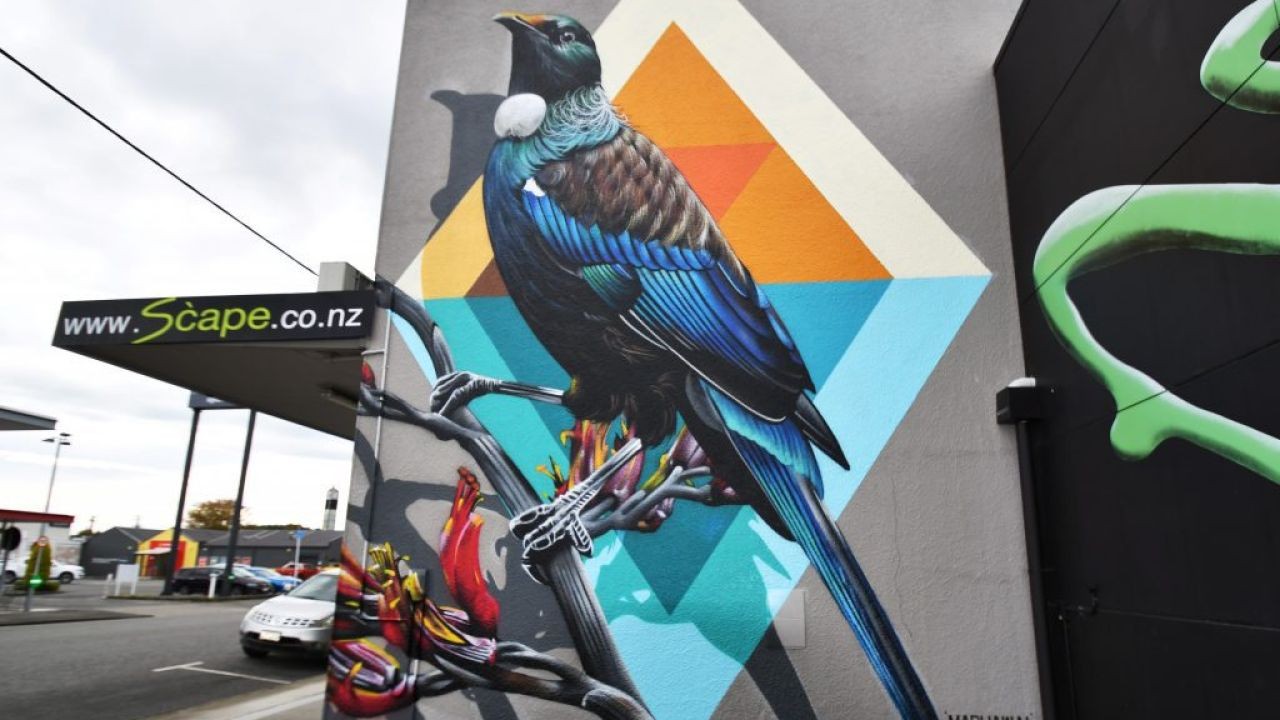
The vibrant art scene in New Zealand is a tapestry woven with rich cultural threads dating back centuries. Understanding these roots is essential for appreciating the art that continues to shape the nation’s identity. New Zealand’s art is not only an expression of its diverse culture but also a reflection of its economic and social dynamics. This article delves into the deep cultural roots of New Zealand’s art scene, exploring the influences, trends, and future directions.

Introduction to New Zealand's Art Scene

New Zealand’s art scene is a dynamic amalgamation of Māori traditions, European influences, and contemporary innovation. The country’s art is a mirror reflecting its unique cultural diversity. This diversity is not just a backdrop but plays a significant role in shaping the nation’s economy and social fabric. According to Stats NZ, the creative industries contribute significantly to the nation's GDP, highlighting the economic impact of art and culture.

The Historical Context

To truly understand New Zealand’s art scene, one must delve into its historical roots. Māori art, characterized by traditional carving and weaving, plays a pivotal role. These art forms are not mere aesthetic expressions but are deeply embedded in the Māori way of life, embodying spiritual beliefs and social narratives.

The arrival of European settlers introduced new art forms and techniques, leading to a fusion of styles. This blending of cultural expressions laid the groundwork for the contemporary art landscape we see today.

Case Study: Te Papa Tongarewa - The National Museum of New Zealand

Problem: Prior to the establishment of Te Papa Tongarewa in 1998, New Zealand struggled to display its diverse cultural artifacts in a cohesive manner, limiting public engagement.

Action: Te Papa Tongarewa was established as an innovative museum that integrates Māori and European histories, showcasing art that reflects the nation’s cultural diversity.

Result: Visitor numbers have soared, with millions engaging with exhibitions that highlight New Zealand’s rich artistic heritage.

Takeaway: The museum’s success underscores the importance of integrating diverse cultural narratives to foster national identity and community engagement.

Economic Impact of the Arts

The arts have a profound economic impact in New Zealand. According to a report by the Ministry of Business, Innovation, and Employment (MBIE), the creative sector is a substantial contributor to the economy, generating billions in revenue annually. This sector not only provides employment but also attracts international tourism, further boosting the economy.

Data-Driven Insights

  • The creative sector contributes approximately 7% to New Zealand’s GDP, as per MBIE.
  • Employment in the arts increased by 15% over the past decade, according to Stats NZ.
  • Art tourism is on the rise, with cultural events attracting international visitors, contributing significantly to the tourism sector’s revenue.

Contemporary Trends and Future Directions

New Zealand’s art scene continues to evolve, influenced by global trends and local innovation. Digital art and virtual exhibitions are gaining traction, offering new ways for artists to engage with audiences.

Moreover, sustainability is becoming a critical focus in the arts. Artists are increasingly exploring eco-friendly materials and practices, aligning with New Zealand’s broader environmental policies.

Pros and Cons Analysis

Pros:

  • Innovation: New forms of digital art enhance creativity and accessibility.
  • Environmental Impact: Sustainable practices reduce ecological footprints.
  • Cultural Preservation: Digital platforms help preserve traditional art forms.

Cons:

  • Digital Divide: Not all artists have access to digital tools.
  • Authenticity Concerns: Digital reproductions may lack the tactile experience of traditional art.
  • Cultural Appropriation: The global reach of digital art raises issues of cultural sensitivity and appropriation.

Common Myths & Mistakes

  • Myth: "Art doesn’t contribute significantly to the economy." Reality: The creative sector is a major economic contributor in New Zealand, generating substantial revenue and employment.
  • Myth: "Traditional art forms are outdated." Reality: Traditional Māori art remains a vibrant and essential part of New Zealand’s cultural identity.
  • Myth: "Digital art lacks depth." Reality: Digital art offers new dimensions of creativity and engagement, expanding the possibilities for artists and audiences alike.

Future Trends & Predictions

The future of New Zealand’s art scene lies in its ability to adapt and innovate. As digital technologies evolve, artists will find new platforms for expression. Additionally, the focus on sustainability will drive artists to explore eco-friendly practices, aligning with New Zealand’s commitment to environmental stewardship.

According to a Deloitte report, the integration of technology in the arts is expected to grow by 30% over the next five years, offering new opportunities for engagement and innovation.

Conclusion

Understanding the deep cultural roots of New Zealand’s art scene is essential for appreciating its current dynamics and future potential. The art scene is a vibrant tapestry that reflects the nation’s diverse cultural heritage and economic contributions. As New Zealand continues to evolve, so too will its art, offering new opportunities for engagement and expression.

What’s your perspective on the future of New Zealand’s art scene? Share your thoughts below!

Related Search Queries


0
 
0

15 Comments


ClevelandJ

3 months ago
This sounds like a fascinating read! I’ve always been curious about how deeply culture influences art, especially in a place as unique as New Zealand. Growing up, I didn’t pay much attention to how local traditions and stories shape artistic expression, but now I see how important that connection is. I’d love to explore more about the Māori influence on contemporary art and how Kiwi entrepreneurs are weaving these rich narratives into their work. It's amazing to think about the stories behind the pieces we see!
0 0 Reply

SheilaMalc

3 months ago
Dive into local stories, connect with artists, and explore indigenous influences—it's all about experiencing the culture firsthand to truly appreciate the art scene. Enjoy the journey!
0 0 Reply

Eileen1396

3 months ago
Ah, the art scene in New Zealand—it's like a layered pavlova, sweet and surprising! Digging into its cultural roots is a delightful journey, much like savoring a hangi. I'm intrigued by how the fusion of Māori heritage and contemporary influences creates such a vibrant tapestry. Can't wait to explore this deeper!
0 0 Reply

stacie49781518

3 months ago
Ah, the simple guide to navigating the labyrinth of New Zealand's art scene—perfect for entrepreneurs too busy to understand that culture is more than just a checklist of trends. Who knew deep cultural roots could be so easily summarized? Truly groundbreaking stuff for those just tuning in.
0 0 Reply

sophirickman7

3 months ago
Absolutely loved this guide! It’s so crucial for us as Kiwi creatives to dive deep into the cultural layers that shape our art scene. Understanding the Māori influences and the diverse narratives that come together here can really elevate our work. I’ve found that when we connect with those roots, our art resonates more authentically with others. Definitely a must-read for anyone looking to make their mark in New Zealand!
0 0 Reply

JoieLeFanu

3 months ago
Yes, but understanding the cultural roots is just the beginning; engaging with local artists and communities is crucial for truly appreciating their work and influence.
0 0 Reply

LeonardoHu

3 months ago
Mate, this is a solid read! It’s cool to see how deeply tied their art is to their culture and history. As a tradie, I reckon understanding those roots can really help in appreciating the uniqueness of their creativity. Cheers for sharing!
0 0 Reply

leifspicer6510

3 months ago
This guide beautifully captures the essence of New Zealand’s vibrant art scene, intertwining its cultural heritage with contemporary expression. It's inspiring to see how deeply rooted traditions influence modern creativity, offering Kiwi entrepreneurs a unique lens through which to view their work and connect with their heritage.
0 0 Reply

CeliaKelle

3 months ago
Just finished reading "How to Understand the Deep Cultural Roots of New Zealand’s Art Scene," and I can’t help but feel a surge of pride for our creative community. It’s like every brushstroke and carving tells a story that’s woven into the fabric of who we are as Kiwis. I was reminded of the time I wandered through the galleries in Wellington after a game, soaking in the vibrant colors that seemed to echo our landscapes. It’s a beautiful reminder that our culture isn't just found in sports or the haka, but also in the art that surrounds us daily. It feels like a celebration of our identity, and honestly, I can't wait to dive deeper into this scene. There’s so much to explore!
0 0 Reply

Michelpier

3 months ago
Instead of focusing solely on deep cultural roots, exploring how contemporary global influences shape New Zealand's art scene could reveal exciting new trends and collaborations. It’s all about blending perspectives!
0 0 Reply

CalebNowac

3 months ago
Hey mate, while I appreciate the enthusiasm for diving into New Zealand's art scene, it feels a bit oversimplified to call it a "simple guide." Art is like a flat white—there's so much depth to it, from the beans to the brew. Kiwi artists draw from a rich tapestry of influences, including Maori culture, colonial history, and modern global trends, so it’s a bit cheeky to think you can sum it all up in a few easy steps. Maybe we should grab a coffee and chat about how each artist’s journey adds layers to the scene instead of just looking for a one-size-fits-all approach. What do you reckon?
0 0 Reply

cermair857536

3 months ago
Ah, the art scene in New Zealand—where the sheep outnumber the artists, but somehow both manage to tell a story. It's like understanding the cultural roots is just as layered as a good pavlova—sweet, a bit messy, and best enjoyed with a side of Kiwi humor. Who knew that deciphering the meaning behind a fern or a swirl of blue could be the key to entrepreneurial success? Cheers to blending culture and commerce, one Māori motif at a time!
0 0 Reply

CarmelaCay

3 months ago
It’s fascinating to consider the deep cultural roots of New Zealand's art scene, but I wonder if focusing too heavily on these traditional foundations might limit the exploration of more contemporary influences. While understanding cultural heritage is essential, isn’t there a risk that the narrative could become overly centered on the past, potentially overshadowing the innovative, modern expressions that are also shaping the art landscape? I’m curious how a balance can be struck between honoring tradition and embracing new ideas that reflect the current identity of New Zealanders. Would it be beneficial to explore how these two aspects can coexist and inspire one another?
0 0 Reply

Befitnow USA

3 months ago
It’s interesting to see how the guide frames New Zealand’s art scene as a product of deep cultural roots. But can we really distill something as complex as art into a simple guide? Culture is inherently multifaceted, and reducing it to a formula might overlook the nuances that truly define Kiwi creativity. I wonder how much of the guide emphasizes the influence of Māori culture on contemporary art. It’s crucial to acknowledge that New Zealand’s identity is shaped by its indigenous roots, and any exploration of the art scene has to consider this foundational aspect. Otherwise, it risks presenting a skewed perspective. The idea that understanding these cultural roots is essential for entrepreneurs is intriguing. However, I can't help but question whether a business mindset can sometimes clash with the authenticity of artistic expression. Can entrepreneurs truly tap into cultural significance without commodifying it in the process? Moreover, while the guide may offer practical tips, what about the subjective nature of art? Can a “simple guide” really help someone appreciate or engage with art on a deeper level? It feels like there’s a risk of oversimplification when discussing something as personal and varied as art. In the end, it’s great that there’s a push for understanding and leveraging cultural roots in the art scene, but I think we should remain cautious about how we approach this topic. Engaging with art should be about connection and appreciation, not just a means to an entrepreneurial end.
0 0 Reply

cherylsteinfel

3 months ago
While I appreciate the insights on New Zealand's art scene, I'm curious: how do you think the influence of sheep in Kiwi culture shapes artistic expression—are artists secretly channeling their inner flock? After all, if wool can inspire cozy sweaters, imagine what it could do for a canvas!
0 0 Reply
Show more

Related Articles