





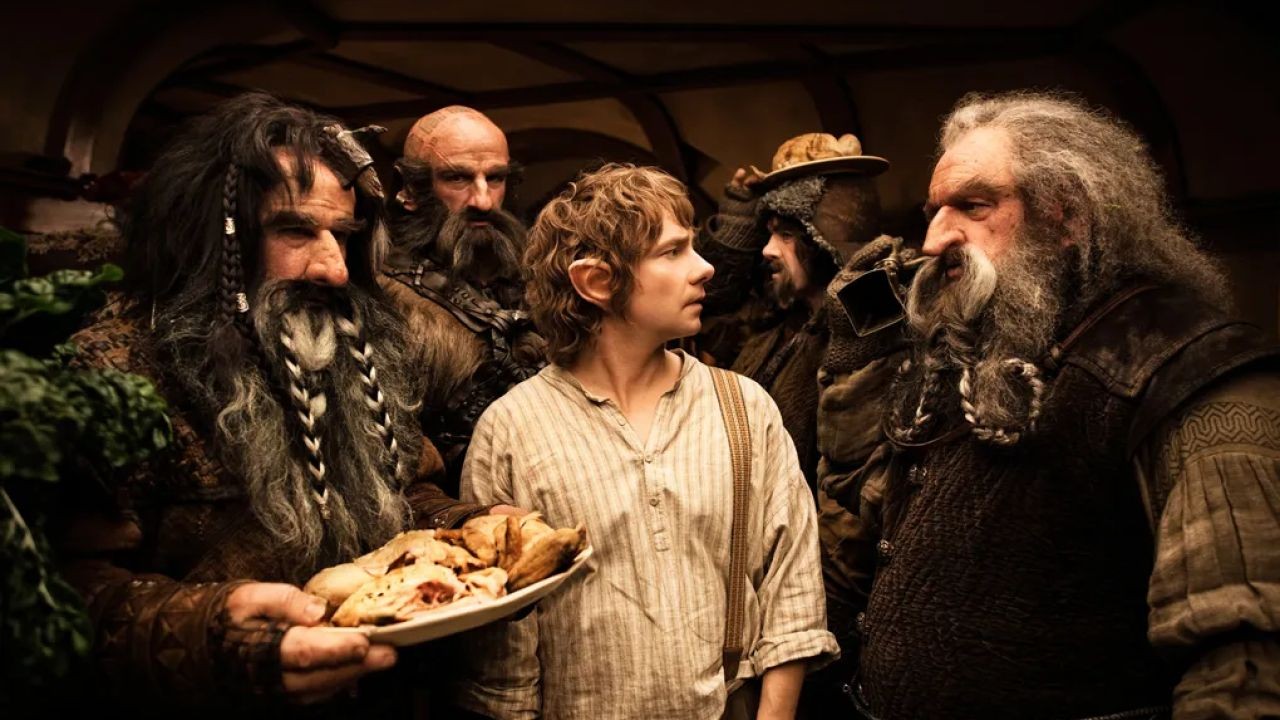
The Hobbit Trilogy is more than just a cinematic journey through Middle-earth; it's a testament to New Zealand's capability as a global filming destination. This trilogy not only brought J.R.R. Tolkien's prequel to life but also significantly bolstered New Zealand's economy and international reputation. For investment bankers, understanding the economic and strategic importance of such cultural phenomena is vital for identifying growth opportunities within the creative industries. As we delve into the impact of The Hobbit Trilogy, we will explore how this trilogy cemented New Zealand’s filming legacy, offering insights that can guide future investments in the region.
How It Works: The Economic Impact of The Hobbit Trilogy
The filming of The Hobbit Trilogy in New Zealand involved a strategic partnership between Warner Bros. and the New Zealand government. This collaboration not only ensured the films' successful production but also provided substantial economic benefits to the country. According to the Ministry of Business, Innovation, and Employment (MBIE), the trilogy contributed over NZD 600 million to the New Zealand economy, creating thousands of jobs in the process.
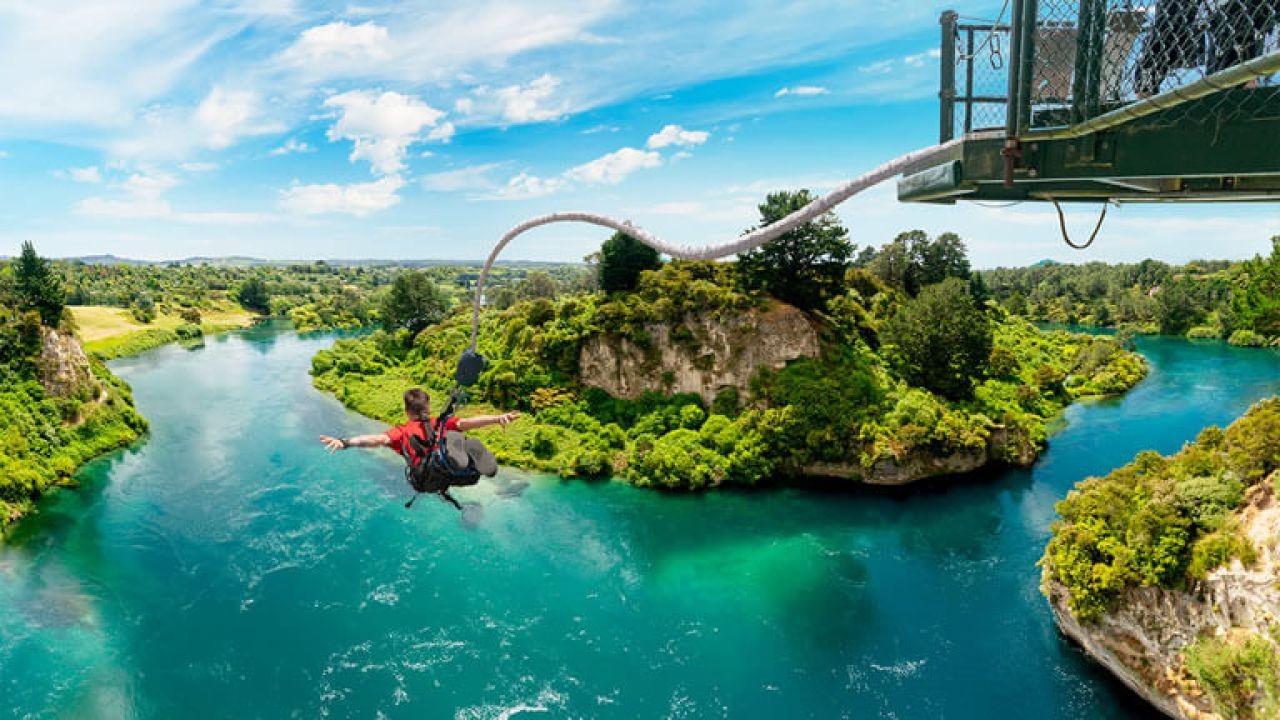
Furthermore, the films utilized New Zealand’s stunning landscapes, which acted as a natural backdrop for Middle-earth. This not only enhanced the visual appeal of the trilogy but also positioned New Zealand as a prime location for future film productions. The strategic use of local talent and resources helped in reducing production costs, while also boosting local businesses, from hospitality to transportation.
Strategic Incentives and Policies
New Zealand’s government played a crucial role in attracting The Hobbit Trilogy to its shores. Through the Large Budget Screen Production Grant, the government offered rebates of up to 25% of the production costs incurred within New Zealand. This financial incentive was instrumental in securing the production, demonstrating the government's proactive approach to fostering the film industry.
Such incentives not only increase direct foreign investment but also enhance skill development and infrastructure within the country. For instance, Weta Workshop and Weta Digital became global leaders in special effects and digital animation, thanks to the technological demands of the production.
Comparative Analysis: Global Filming Destinations
While New Zealand enjoys a reputation as a premier filming location, it competes with other countries such as Canada, the UK, and Australia, each offering their unique incentives and environments. Canada, for instance, offers tax credits and a diverse range of filming locations, while the UK boasts a rich history and state-of-the-art studios.
The New Zealand Advantage
New Zealand stands out due to its unique combination of natural landscapes and advanced film production facilities. The country’s isolation has cultivated a distinct culture and environment that can convincingly transport audiences to other worlds, as evidenced by its portrayal of Middle-earth. This natural advantage, coupled with strategic government support, makes New Zealand an attractive option for filmmakers worldwide.
Data-Driven Report: The Economic Ripple Effect
According to Stats NZ, the film and digital entertainment sector has grown significantly since the release of The Hobbit Trilogy. In 2020 alone, the sector contributed NZD 3.3 billion to the GDP. This growth is not just limited to direct revenue from productions but extends to tourism, as fans of the series visit iconic filming locations, such as Hobbiton in Matamata.
Moreover, the employment generated by the film industry has had a broad impact. MBIE reports that over 20,000 people are employed in New Zealand’s screen industry, with The Hobbit Trilogy playing a significant role in this employment boost. The trilogy’s success has also attracted international talent and expertise, further enriching New Zealand's creative sector.
Case Study: Weta Workshop
Problem: Before The Hobbit, Weta Workshop faced the challenge of maintaining relevance in a competitive global market.
Action: By leveraging the opportunity provided by The Hobbit Trilogy, Weta expanded its capabilities in special effects and digital animation. The company invested heavily in technology and training, positioning itself as a leader in the global market.
Result: Weta Workshop not only contributed significantly to the visual success of The Hobbit but also attracted international projects, increasing its revenue by 50% within five years.
Takeaway: Strategic partnerships and investments in technology can transform local companies into global leaders. New Zealand businesses can emulate Weta’s model to gain a competitive edge in their respective industries.
Common Myths & Mistakes in Filming Investments
- Myth: "Filming in New Zealand is expensive due to its remote location."
- Reality: New Zealand offers cost-effective solutions through government grants and local partnerships, which can reduce overall production costs by up to 25% (Source: MBIE).
- Myth: "Only large studios can benefit from filming in New Zealand."
- Reality: Independent filmmakers also benefit from New Zealand’s diverse landscapes and skilled workforce, which support low-budget productions effectively.
Pros and Cons of New Zealand as a Filming Location
Pros:
- Natural Landscapes: Unique and diverse scenery that enhances visual storytelling.
- Government Support: Financial incentives that reduce production costs.
- Skilled Workforce: Highly trained professionals in film and digital animation.
- Tourism Synergy: Increased tourism due to iconic filming locations.
Cons:
- Geographical Isolation: Potentially higher logistics costs for international crews.
- Limited Urban Environments: May require creative solutions for urban scenes.
- Weather Variability: Can affect outdoor filming schedules.
Future Trends & Predictions
Looking ahead, New Zealand’s film industry is expected to continue its upward trajectory. By 2028, it is predicted that over 50% of all films produced in New Zealand will incorporate advanced technologies such as virtual reality and augmented reality (Source: NZTech Industry Report 2024). These technologies will not only enhance storytelling but also open new avenues for audience engagement and revenue generation.
Furthermore, with the growing demand for content streaming services, New Zealand is likely to see an increase in international collaborations, as global platforms seek diverse and high-quality content to cater to their audiences. As the industry evolves, investment opportunities in technological innovations and infrastructure development will become increasingly attractive.
Conclusion
The Hobbit Trilogy has not only enriched New Zealand’s cultural and economic landscape but also established it as a formidable player in the global film industry. For investment bankers, the lessons learned from this success story highlight the importance of strategic partnerships, government support, and technological innovation. As the industry continues to grow, new opportunities will emerge for those willing to invest in New Zealand's creative and digital sectors.
What’s your next move in the world of film investment? Share your insights and strategies below!
Related Search Queries
- New Zealand filming incentives
- Economic impact of The Hobbit Trilogy
- Weta Workshop success story
- Film industry growth in New Zealand
- Global filming locations comparison
People Also Ask
- How does The Hobbit Trilogy impact New Zealand's economy? The trilogy contributed over NZD 600 million, creating jobs and boosting tourism, according to MBIE.
- What are the biggest misconceptions about filming in New Zealand? Many believe it's expensive, but government grants can reduce costs by 25% (Source: MBIE).
- What are the best strategies for investing in New Zealand's film industry? Focus on partnerships, government incentives, and technological innovation for superior ROI.