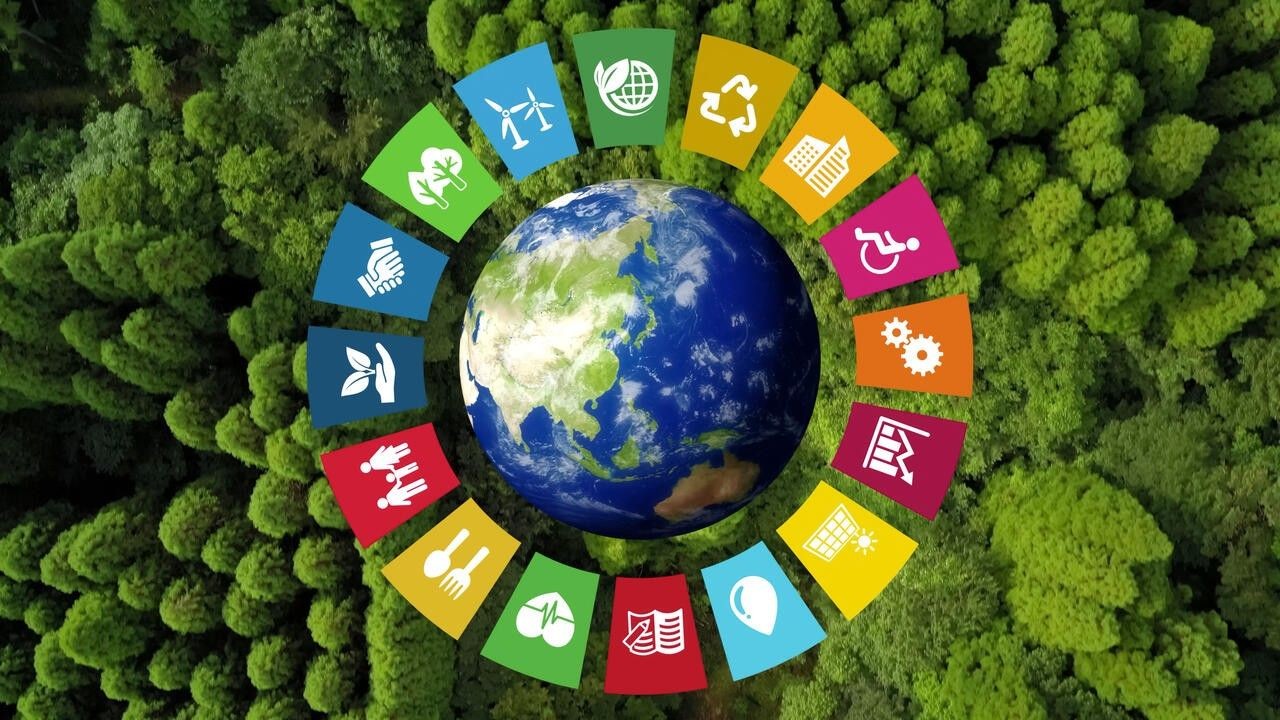







New Zealand’s role in global environmental protection often flies under the radar. While the country is renowned for its pristine landscapes and eco-friendly image, the reality of its contribution to environmental protection is more nuanced. Analyzing the intersection of policy, industry, and economic factors reveals surprising insights into New Zealand's impact on global environmental efforts.
Future Forecast & Trends
New Zealand is poised to play a significant role in global environmental protection driven by its commitment to sustainability. The government has set ambitious targets to achieve carbon neutrality by 2050, in line with the Paris Agreement. According to the Ministry for the Environment, New Zealand's renewable energy contribution is already at 82% and is expected to rise as investments in wind and solar energy projects increase.
However, the path to sustainability is fraught with challenges. A report from the Reserve Bank of New Zealand highlights the economic impact of climate change, estimating a potential GDP reduction of up to 5% by 2050 if no significant mitigation strategies are implemented. This economic threat underscores the need for robust environmental policies that balance economic growth and sustainability.
Myth vs. Reality
Despite its environmental credentials, several myths persist about New Zealand's role in global environmental protection:
- Myth: New Zealand is a global leader in environmental protection.
- Reality: While New Zealand has made strides in renewable energy, its agricultural emissions are among the highest per capita globally, primarily due to livestock farming.
- Myth: New Zealand’s environmental policies are sufficient to meet international targets.
- Reality: Current policies need enhancement to meet the ambitious targets set. The climate change Commission has recommended more aggressive carbon reduction measures.
- Myth: Environmental protection hinders economic growth.
- Reality: Transitioning to a green economy can create sustainable jobs and drive innovation, as seen in the burgeoning green tech sector.
Comparative Analysis
Comparing New Zealand’s approach to environmental protection with other countries offers valuable insights:
- Pros:
- New Zealand’s commitment to renewable energy positions it as a leader in sustainable practices.
- The country's low population density reduces overall environmental impact compared to densely populated nations.
- Cons:
- The reliance on agriculture for economic stability conflicts with environmental goals.
- New Zealand's isolated location increases the carbon footprint of imports and exports.
Case Study: Fonterra – Balancing Dairy and Sustainability
Problem: Fonterra, New Zealand's largest dairy cooperative, faced criticism for high greenhouse gas emissions. The agricultural sector contributes significantly to New Zealand's emissions profile.
Action: Fonterra implemented a sustainability strategy focusing on reducing emissions by 30% by 2030. This involved optimizing farm practices and investing in clean technology.
Result: Fonterra reported a 15% reduction in emissions over the past five years, demonstrating the feasibility of sustainable agricultural practices.
Takeaway: The case highlights the importance of integrating sustainability with traditional industries. Other agricultural sectors in New Zealand can adopt similar strategies to balance economic viability and environmental responsibility.
Common Myths & Mistakes
- Myth: New Zealand is too small to impact global environmental protection.
- Reality: Small nations can lead by example, influencing larger countries through innovative practices and policies.
- Myth: Environmental protection is solely the government's responsibility.
- Reality: Businesses and individuals play crucial roles in reducing carbon footprints and advocating for sustainable practices.
Final Takeaways
- New Zealand's renewable energy initiatives position it as a leader in sustainability.
- Balancing agricultural demands with environmental goals is crucial for future success.
- Small countries can significantly influence global environmental policies through innovation and leadership.
Future Trends & Predictions
By 2030, New Zealand is expected to be at the forefront of renewable energy innovation, with potential advancements in green hydrogen production. The government’s focus on sustainability will likely spur growth in the green tech sector, creating jobs and driving economic resilience.
Conclusion
New Zealand's role in global environmental protection is multifaceted, blending policy, industry, and economic considerations. By focusing on sustainable growth and innovative practices, New Zealand can continue to set an example on the global stage. What’s your take on New Zealand’s environmental policies? Share your insights below!
People Also Ask
- How does New Zealand's renewable energy impact global environmental efforts? New Zealand's renewable energy initiatives significantly contribute to carbon reduction, setting a benchmark for other nations.
- What are the biggest misconceptions about New Zealand's environmental policies? A common myth is that New Zealand's policies are sufficient to meet international targets, but enhancements are needed.
- What are the best strategies for balancing agriculture and sustainability in New Zealand? Integrating clean technologies and optimizing farm practices are effective strategies for achieving balance.
Related Search Queries
- New Zealand environmental policies
- renewable energy in New Zealand
- Impact of agriculture on New Zealand's environment
- Global environmental leadership
- New Zealand carbon neutrality goals
- Sustainable practices in New Zealand agriculture
- Green tech innovations in New Zealand
- Fonterra sustainability efforts
- Environmental impact of New Zealand dairy industry
- Future of renewable energy in New Zealand