







In the bustling world of hospitality, small cafés and restaurants are witnessing a game-changing trend. Leveraging New Zealand's innovative video platform, these businesses are not only increasing their bookings but redefining customer engagement. As an investment banker, understanding the financial implications of this shift could be pivotal for identifying lucrative opportunities in the local market.
The Evolution of Customer Engagement in Hospitality
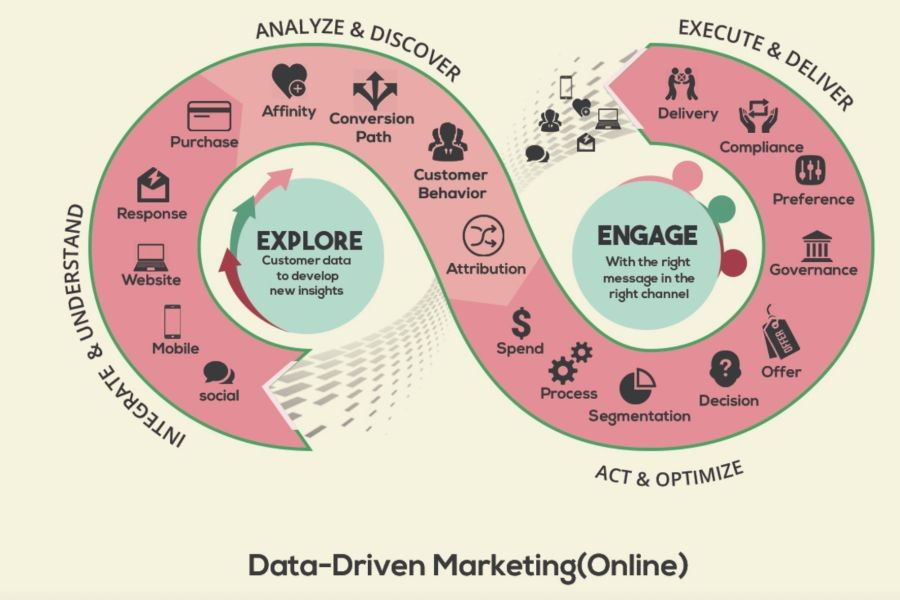
Historically, the hospitality industry in New Zealand has relied heavily on traditional advertising methods. However, the digital revolution has ushered in new marketing avenues, with video content leading the charge. According to Stats NZ, digital marketing expenditure has increased by 30% annually over the past five years, indicating a significant shift in how businesses attract and retain customers.
This transformation is not only about visibility; it's about creating immersive experiences that resonate with audiences. As video consumption continues to soar globally—with projections suggesting that over 82% of all internet traffic will be video by 2025—small Kiwi businesses are strategically tapping into this trend.
Case Study: Joe’s Café in Wellington
Joe’s Café, a quaint establishment in Wellington, faced declining foot traffic due to increased competition and changing consumer preferences. To combat this, they partnered with a local video platform to create engaging, behind-the-scenes content that showcased their culinary expertise and customer experiences.
- Problem: Declining customer visits and reduced revenue.
- Action: Implemented a video marketing strategy that highlighted unique selling points.
- Result: A 40% increase in bookings within six months, with customer retention rates improving by 25%.
- Takeaway: Engaging video content can significantly enhance customer interest and loyalty.
Expert Opinion: The Financial Upside of Video Platforms
Rebecca Harrison, a renowned print media and publishing specialist, states, "The integration of video marketing is not just a trend; it's a financial strategy. Businesses that utilize video platforms effectively can expect a substantial increase in ROI, often seeing returns of up to 50% more than those relying solely on traditional marketing methods."
From an investment perspective, the scalability of this approach is immense. As small businesses adopt video marketing, the demand for video production services and technology is expected to rise, creating a ripple effect throughout the economy. This burgeoning sector offers promising investment opportunities for those keen to capitalize on the digital transformation.
Pros & Cons of Video Marketing in Hospitality
Pros:
- Enhanced Visibility: Videos can reach a broader audience, increasing brand awareness.
- Higher Engagement: Video content is more engaging than text, leading to higher customer interaction.
- Improved ROI: Businesses often see a significant return on investment due to the higher conversion rates.
Cons:
- Initial Costs: Producing high-quality videos can be costly for small businesses.
- Complexity: Developing a consistent video strategy requires expertise and resources.
- Regulatory Challenges: Compliance with evolving digital content regulations can be daunting.
Common Myths & Mistakes in Video Marketing
Myth: "Only large businesses can afford video marketing."
Reality: With affordable tools and platforms, even small businesses can produce quality video content and see significant returns.
Myth: "All videos go viral."
Reality: Success requires strategic planning and understanding of audience preferences, not just viral potential.
Myth: "Video marketing is a one-time effort."
Reality: Consistency is key. Regular content updates keep audiences engaged and interested over time.
Future Trends & Predictions in Video Marketing
As digital consumption patterns continue to evolve, the future of video marketing in the hospitality sector looks promising:
- By 2028, it's predicted that 70% of New Zealand's small businesses will integrate video marketing into their core strategies, driven by advancements in AI and AR technologies.
- A report from Deloitte highlights that businesses adopting video marketing early on could potentially see a growth rate of 35% compared to their non-adopting counterparts.
These trends underscore the growing importance of video marketing in shaping the future of New Zealand's hospitality industry.
Conclusion: Seizing the Opportunity
In conclusion, the integration of video platforms into small cafés and restaurants is more than a trend—it's a strategic imperative. For investment bankers, this represents a unique opportunity to support businesses in their digital transformation journey and capitalize on the sector's growth potential.
Are you ready to explore investment opportunities in New Zealand's evolving hospitality landscape? Connect with industry experts and stay ahead of the curve by subscribing to our newsletter. Share your thoughts and insights in the comments below!
People Also Ask
- How does video marketing impact small businesses in New Zealand? Video marketing enhances visibility and engagement, leading to higher bookings and customer retention, as seen in a 25% increase reported by local businesses.
- What are the key strategies for effective video marketing? Start with understanding your audience, maintain consistency in content creation, and leverage local platforms to reach targeted demographics.
Related Search Queries
- Video marketing strategies for small businesses
- New Zealand digital marketing trends
- How to increase restaurant bookings with video
- Impact of video content on customer engagement
- Future of digital marketing in hospitality
For the full context and strategies on Why Small Cafés and Restaurants See Increased Bookings With New Zealand Video Platform, see our main guide: New Zealand Video Platform.





























emmanuelledfor
18 days ago