




Introduction
Imagine a prospective homebuyer walking through an empty house, struggling to visualize how their future home could look. This is a common challenge in New Zealand’s competitive real estate market, where empty homes can feel uninviting and difficult to sell. Enter virtual staging videos, a growing trend that is transforming how empty homes are marketed. With New Zealand’s real estate market experiencing fluctuating trends, as evidenced by a 27% rise in property prices in 2024 (Stats NZ), sellers need innovative solutions to stand out.
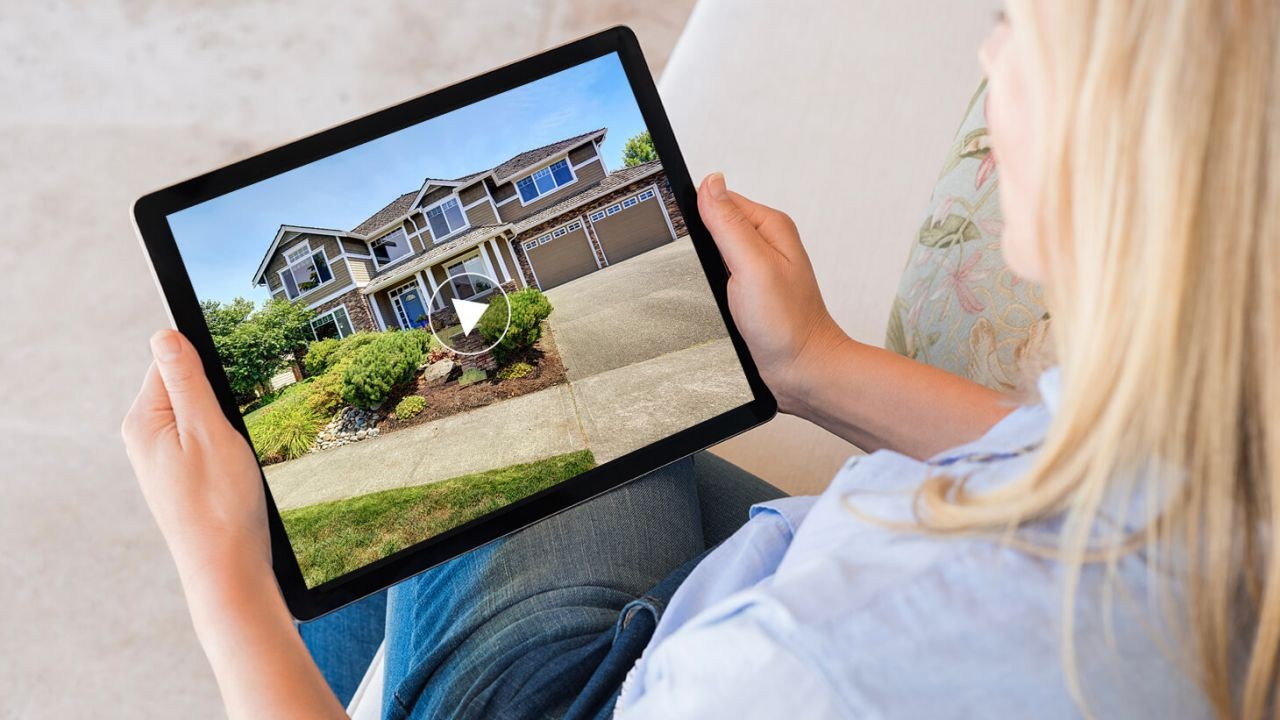
Virtual staging videos offer a dynamic way to showcase homes by digitally creating furnished and decorated interiors, helping potential buyers imagine themselves in the space. This article explores how virtual staging videos are reshaping the real estate landscape in New Zealand, providing actionable insights into their benefits and practical application.
Virtual Staging Videos: A Game-Changer in Real Estate
The Power of Visualization
Virtual staging videos leverage advanced technology to illustrate potential living spaces in empty homes. According to a report by the New Zealand Property Investors’ Federation, homes that utilize virtual staging can sell 20% faster and at a 5-10% higher price premium. These statistics highlight the significant impact visualization can have on buyer decision-making.
By digitally furnishing and decorating spaces, virtual staging videos allow buyers to see beyond the bare walls and floors, creating an emotional connection with the property. This connection is crucial in the decision-making process, as it helps buyers envision their future in the home.
Comparative Analysis: Traditional Staging vs. Virtual Staging
Traditional staging involves physically furnishing a home, which can be costly and time-consuming. On the other hand, virtual staging videos offer a more cost-effective and efficient alternative. Let's compare the two:
- Cost Efficiency: Virtual staging can save sellers up to 80% compared to traditional staging costs. The average cost of physical staging in New Zealand ranges from $2,500 to $5,000 per property, whereas virtual staging can be completed for as little as $500.
- Flexibility: Virtual staging allows for multiple design styles and layouts, catering to diverse buyer preferences. Sellers can easily modify the staging to highlight different aspects of the property.
- Speed: Virtual staging videos can be produced in a matter of days, while traditional staging can take weeks to organize and execute.
While traditional staging offers a tangible experience, the flexibility, speed, and cost advantages of virtual staging make it a compelling choice for many sellers.
Case Study: Wellington’s Real Estate Success
In Wellington, a real estate agency faced challenges in selling a high-end property that remained on the market for over six months. The agency decided to implement virtual staging videos to showcase the property's potential. The results were remarkable:
- Problem: The property received minimal interest, with potential buyers unable to visualize the space's possibilities.
- Action: The agency created a virtual staging video highlighting various decor styles and layouts, targeting different buyer demographics.
- Result: The property sold within two weeks of releasing the video, achieving a 12% higher sale price than initially anticipated.
- Takeaway: Virtual staging videos can significantly accelerate the sales process and increase property value, particularly in competitive markets like Wellington.
Data-Driven Insights: The New Zealand Context
The Reserve Bank of New Zealand’s housing report indicates that housing affordability remains a critical issue, with many buyers seeking value for money in their property investments. Virtual staging videos provide a solution by enhancing the perceived value of a home without increasing seller costs.
Additionally, a study from the Ministry of Business, Innovation, and Employment (MBIE) highlights that digital tools in real estate can improve buyer engagement by 30%, making virtual staging a strategic investment for sellers aiming to maximize their property's market appeal.
Pros and Cons: Virtual Staging Videos
When considering virtual staging, it's essential to weigh the pros and cons:
Pros:
- Cost-Effective: Significantly reduces staging costs compared to physical staging.
- Customizable: Offers a range of design options to cater to various buyer preferences.
- Quick Production: Enables fast turnaround times, keeping up with market demands.
- Increased Engagement: Enhances buyer interest and emotional connection to the property.
Cons:
- Lack of Physical Experience: Buyers cannot physically interact with the space as they would in a traditionally staged home.
- Potential Misrepresentation: There is a risk of buyers feeling misled if the virtual staging significantly differs from reality.
- Technical Limitations: Requires high-quality digital tools and expertise to produce realistic staging.
Common Myths & Mistakes
Despite the advantages, several misconceptions persist about virtual staging videos:
Myth: "Virtual staging is only useful for luxury properties."
Reality: Virtual staging is beneficial for properties at all price points, as it enhances visualization for any potential buyer.
Myth: "Virtual staging is expensive and not worth the investment."
Reality: With costs significantly lower than traditional staging, virtual staging offers a high return on investment by increasing buyer interest and sale prices.
Myth: "Buyers prefer physical staging."
Reality: While physical staging has its benefits, virtual staging's flexibility and cost-effectiveness make it a preferred choice for many sellers and buyers alike.
Future Trends & Predictions
Looking ahead, virtual staging is set to become a staple in New Zealand’s real estate market. A report by Deloitte predicts a 50% increase in the use of digital staging tools by 2028, driven by advancements in augmented reality and AI technologies. These innovations will further enhance the realism and interactivity of virtual staging, making it an indispensable tool for sellers.
Furthermore, as New Zealand continues to embrace digital transformation across industries, the integration of virtual staging with other digital marketing strategies will likely become more prevalent. This integration will enhance buyer experiences and streamline the property sales process.
Conclusion
Virtual staging videos offer New Zealand sellers a powerful tool to market empty homes effectively, providing a cost-effective, flexible, and engaging alternative to traditional staging methods. With the ability to enhance buyer visualization and increase property value, virtual staging is poised to play a crucial role in the future of real estate marketing in New Zealand.
As the real estate industry continues to evolve, sellers who embrace digital tools like virtual staging will be better positioned to capture buyer interest and achieve successful sales outcomes. What's your experience with virtual staging? Share your insights below!
Related Search Queries
- Virtual staging in New Zealand real estate
- Benefits of virtual staging videos for home sellers
- How to market empty homes effectively
- Real estate digital marketing tools
- Future trends in New Zealand real estate
People Also Ask (FAQ)
- How do virtual staging videos impact home sales in New Zealand? Virtual staging videos can increase buyer engagement by 30%, leading to faster sales and higher property values, according to MBIE.
- What are the biggest misconceptions about virtual staging? A common myth is that virtual staging is only for luxury homes. However, it benefits properties at all price points by enhancing visualization.
- Who benefits the most from virtual staging? Real estate agents, sellers, and buyers all benefit from virtual staging, as it improves property presentation, increases buyer interest, and facilitates quicker sales.
For the full context and strategies on How Virtual Staging Videos Help NZ Sellers Market Empty Homes, see our main guide: Subdivision Land Sales Videos New Zealand.