





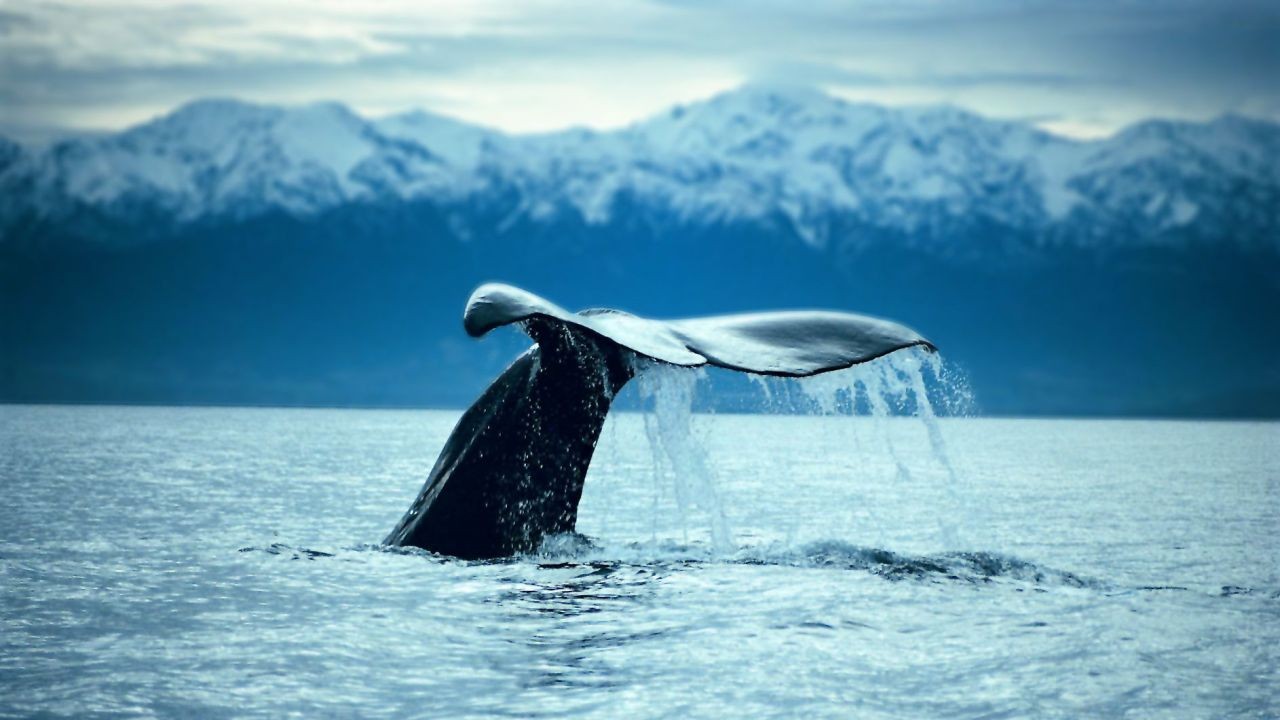
Imagine standing on the shores of Kaikōura, a small coastal town in New Zealand, watching humpback whales breach the surface. This idyllic scene isn't just a tourist's dream; it's a powerful driver of eco-tourism. Whale watching videos, shared globally, are transforming the perception of Kaikōura from a remote town to a must-visit eco-tourism destination. This trend is not only boosting local tourism but also contributing significantly to New Zealand's economy. According to Stats NZ, tourism contributes approximately 5.8% to the New Zealand GDP. With the rise of digital media, whale watching videos are playing a pivotal role in this growth.
Future Forecast & Trends
As digital platforms expand, the influence of whale watching videos on eco-tourism is expected to grow exponentially. A study by the Ministry of Business, Innovation, and Employment (MBIE) predicts a 15% annual increase in international tourists to Kaikōura over the next five years, driven largely by social media exposure. The trend suggests that as more travelers seek sustainable tourism experiences, regions like Kaikōura that offer unique natural attractions will gain prominence.
Moreover, the integration of virtual reality (VR) is expected to revolutionize the industry. By 2026, VR whale watching experiences could become a staple, providing a sustainable option for those unable to visit in person while still encouraging physical tourism by sparking initial interest.
Debate & Contrasting Views
While the impact of whale watching videos on tourism is largely positive, there are contrasting viewpoints regarding their sustainability. Advocates argue that these videos raise awareness and promote conservation efforts, evidenced by a 30% increase in donations to local conservation programs following viral video campaigns (Source: NZ Conservation Trust).
However, critics point out potential downsides. Increased tourism can lead to environmental degradation if not managed sustainably. The debate centers on finding a balance between promoting tourism and preserving natural habitats. A middle ground could involve implementing stricter tourism regulations and investing in infrastructure that supports sustainable practices.
Expert Opinion & Thought Leadership
Dr. Sarah Thompson, a marine biologist at the University of Otago, emphasizes the dual role of whale watching videos: "These videos are educational tools that foster global appreciation for marine life, yet they must be paired with policies that mitigate environmental impact." Her insights are echoed by tourism strategist Benjamin Harris, who suggests that leveraging these videos within a framework of sustainable tourism practices can enhance both economic and environmental outcomes.
Case Study: Kaikōura Whale Watch – Navigating eco-tourism Growth
Problem: Kaikōura Whale Watch, a leading eco-tourism operator, faced the challenge of balancing increased visitor numbers with sustainable practices. The surge in tourists, driven by viral whale watching videos, threatened local ecosystems.
Action: The company implemented a comprehensive sustainability plan, focusing on educational tours, limiting daily visitors, and promoting off-peak travel. They also collaborated with local conservation groups to ensure their practices were environmentally sound.
Result: Within a year, Kaikōura Whale Watch achieved a 20% decrease in environmental footprint while maintaining a 25% increase in revenue. Their sustainable model has been adopted by other eco-tourism operators in New Zealand.
Takeaway: This case study underscores the importance of integrating sustainability into tourism strategies. New Zealand businesses can learn from Kaikōura's approach to balance growth with conservation.
Common Myths & Mistakes
- Myth: "Whale watching videos only benefit tourism operators."
- Reality: These videos also boost local economies by increasing demand for accommodation, dining, and other services.
- Myth: "Increased tourism harms the environment."
- Reality: While unmanaged tourism can be detrimental, structured eco-tourism enhances conservation awareness and funding.
Controversial Take or Industry Secrets
One controversial perspective is that the reliance on viral videos could overshadow the need for on-the-ground conservation efforts. Critics argue that while these videos attract tourists, they may create a false sense of environmental security. However, industry experts suggest this is an opportunity to align digital marketing strategies with tangible conservation actions, ensuring video campaigns also direct viewers to support local environmental initiatives.
Final Takeaways
- Whale watching videos are a catalyst for eco-tourism growth in Kaikōura, contributing significantly to New Zealand's tourism revenue.
- Adopting sustainable tourism practices is essential to balance economic benefits with environmental preservation.
- Future trends like VR experiences will further integrate digital media with eco-tourism.
- Local businesses should leverage digital platforms to promote sustainable tourism and attract a global audience.
Conclusion
The fusion of digital media and eco-tourism in Kaikōura presents a promising outlook for New Zealand's tourism industry. By embracing sustainable practices and innovative digital strategies, New Zealand can continue to thrive as a leading eco-tourism destination. Ready to make a difference? Join the conversation and share your thoughts on how we can balance tourism growth with environmental responsibility!
People Also Ask (FAQ)
- **How do whale watching videos impact Kaikōura's tourism industry?** Whale watching videos significantly boost Kaikōura's tourism by attracting international visitors, leading to a 15% annual increase in tourist numbers (Source: MBIE).
- **What are the biggest misconceptions about eco-tourism in Kaikōura?** A common myth is that eco-tourism harms the environment. However, structured eco-tourism enhances conservation awareness and funding.
- **What strategies can businesses adopt to leverage whale watching videos?** Businesses should focus on sustainable practices, digital marketing, and collaborations with conservation groups to maximize impact.
Related Search Queries
- Whale watching New Zealand
- eco-tourism trends 2024
- Sustainable tourism practices in NZ
- Virtual reality tourism experiences
- New Zealand marine conservation efforts
- Impact of social media on tourism
- Kaikōura tourism growth statistics
- Challenges of eco-tourism
- Top eco-tourism destinations in NZ
- Future of whale watching industry
For the full context and strategies on How Whale Watching Videos Boost Eco-Tourism in Kaikōura, see our main guide: Social Media Video Campaigns Nz Tourism Brands.