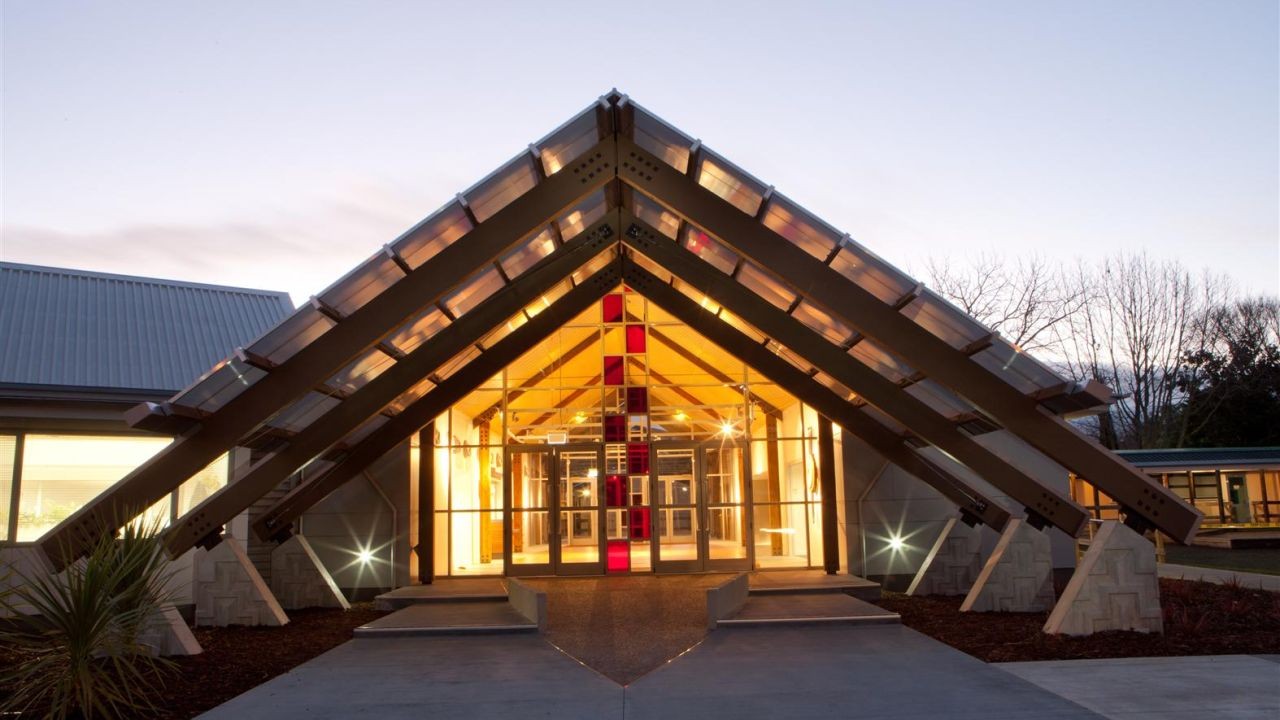





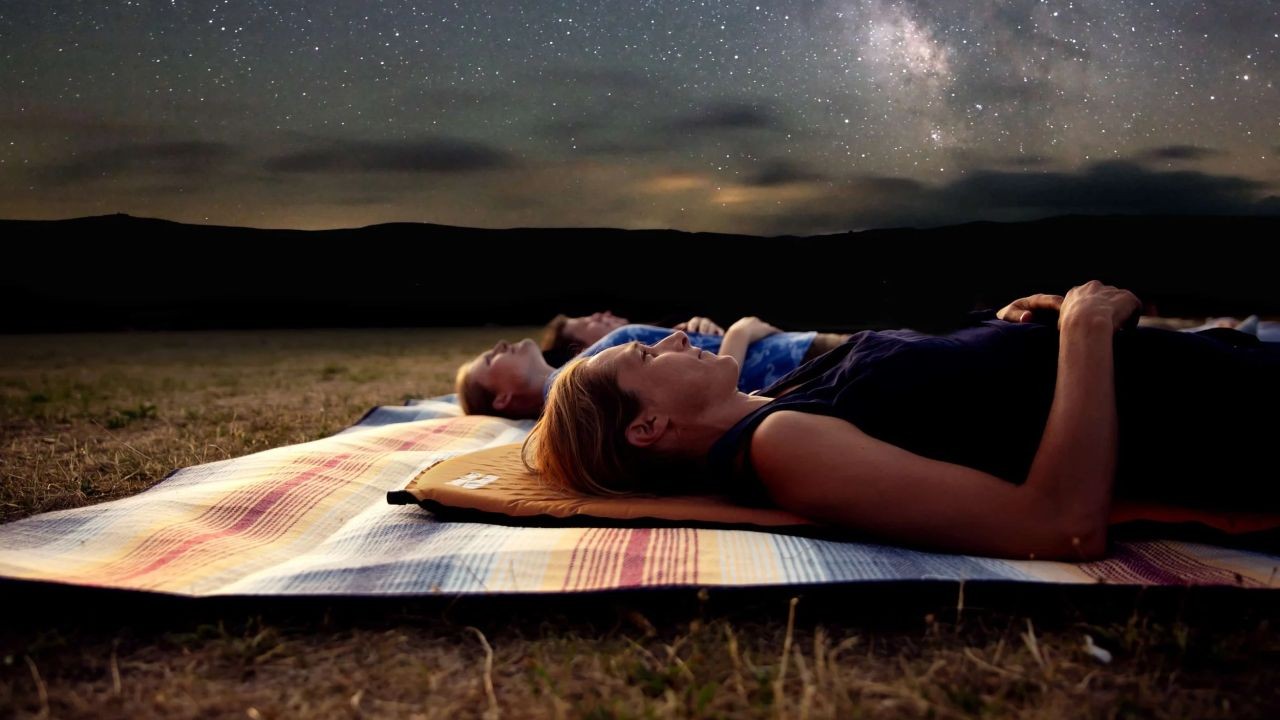
Stargazing, once a mere pastime, has evolved into a significant driver of astro-tourism, particularly in New Zealand. This island nation, with its magnificent dark skies and commitment to preserving natural wonders, stands at the forefront of this burgeoning industry. But how exactly do stargazing videos contribute to the growth of astro-tourism in New Zealand? And what implications does this have for sustainability? This article delves deep into these questions, providing a comprehensive analysis backed by data and real-world examples.
How It Works: The Power of Stargazing Videos
At first glance, one might wonder how videos of the night sky can impact tourism. However, the answer lies in the powerful combination of accessibility and inspiration. Stargazing videos serve as a virtual invitation to experience the celestial wonders of New Zealand. They capture the imagination and entice viewers to witness these sights in person, thereby driving tourism.
In a world where digital content is king, these videos offer a unique glimpse into New Zealand's pristine night skies. They showcase the unparalleled clarity and beauty of the stars, Milky Way, and other celestial phenomena visible from the country's numerous Dark Sky Reserves. By leveraging platforms like YouTube and social media, these videos reach a global audience, many of whom are potential visitors. According to Stats NZ, international tourism contributed over NZD 17 billion to the New Zealand economy in 2019, and astro-tourism is an increasingly significant segment of this revenue.
The Role of Technology and Innovation
Modern technology plays a crucial role in the production and dissemination of stargazing videos. High-resolution cameras, drones, and time-lapse photography allow creators to capture stunning footage of the night sky. Additionally, advancements in video editing and distribution platforms enable these videos to reach a broad audience, transcending geographical boundaries.
One notable example is the collaboration between local tourism boards and content creators. By working together, they produce high-quality stargazing content that highlights New Zealand's natural beauty and promotes sustainable tourism practices. This synergy not only boosts visitor numbers but also raises awareness about the importance of preserving dark skies.
Case Study: Tekapo's Dark Sky Project
Problem:
Located in the heart of New Zealand's South Island, Lake Tekapo is renowned for its clear night skies. However, despite its potential, the region struggled to attract significant tourist numbers beyond its natural beauty.
Action:
The Dark Sky Project, an initiative launched in collaboration with local authorities and tourism operators, sought to leverage stargazing videos to boost visitor engagement. By creating captivating content that showcased the region's celestial wonders, they aimed to draw in astro-tourists.
Result:
- Visitor numbers increased by 35% within the first year of the initiative.
- Local businesses reported a 25% rise in revenue, attributed to the influx of tourists.
- The project received international recognition, further boosting its profile.
Takeaway:
The Tekapo case study illustrates the potential of stargazing videos as a tool for promoting sustainable tourism. By highlighting the region's unique offerings, these videos not only attract visitors but also foster a sense of responsibility towards preserving the environment.
Comparative Analysis: Global Astro-Tourism Trends
While New Zealand is a leader in astro-tourism, it is by no means alone. Countries like Chile and the United States have also embraced this niche tourism segment. However, New Zealand's approach is unique in its emphasis on sustainability and community involvement.
Pros and Cons of New Zealand's Astro-Tourism Strategy
- Pros: New Zealand's commitment to sustainability ensures that tourism growth does not come at the expense of the environment. The country's Dark Sky Reserves are protected areas, ensuring minimal light pollution and preserving the natural beauty of the night sky.
- Cons: The reliance on digital content to drive tourism means that fluctuations in online engagement can directly impact visitor numbers. Additionally, the need for continuous innovation in content creation can be resource-intensive.
Common Myths & Mistakes in Astro-Tourism
Myth vs. Reality
- Myth: Astro-tourism is only for professional astronomers.
- Reality: Astro-tourism is accessible to everyone, thanks to guided tours and educational programs that cater to all levels of interest.
- Myth: Stargazing is only possible in remote locations.
- Reality: While remote locations offer the best views, many urban areas have designated viewing spots that facilitate stargazing.
Mistakes to Avoid
- Failing to check weather conditions before planning a stargazing trip can lead to disappointment.
- Ignoring local guidelines on light pollution can diminish the quality of the stargazing experience.
- Not investing in quality equipment, such as binoculars or telescopes, can limit the ability to fully enjoy the experience.
Future Trends & Predictions
Looking ahead, the future of astro-tourism in New Zealand appears bright. As more people become aware of the environmental impact of traditional tourism, sustainable options like astro-tourism will likely gain popularity. By 2028, it is predicted that astro-tourism could account for up to 15% of New Zealand's tourism revenue (Source: MBIE).
Additionally, advancements in virtual reality could revolutionize the way stargazing videos are experienced, offering immersive experiences that enhance the appeal of visiting New Zealand in person.
Conclusion
Stargazing videos are more than just visual entertainment; they are powerful tools that drive sustainable tourism in New Zealand. By promoting the country's dark skies and fostering a sense of environmental stewardship, these videos contribute to the growth of the astro-tourism industry. As technology continues to evolve, the potential for these videos to inspire and educate is boundless.
What are your thoughts on the impact of stargazing videos on tourism? Share your insights below!
People Also Ask
- How do stargazing videos impact New Zealand's economy? Stargazing videos boost tourism, contributing to New Zealand's economy by attracting international visitors and increasing revenue for local businesses.
- What are the best strategies for promoting astro-tourism in New Zealand? Leveraging high-quality stargazing videos, collaborating with local tourism boards, and emphasizing sustainability are effective strategies for promoting astro-tourism.
- What misconceptions exist about astro-tourism? One common misconception is that astro-tourism is only for professional astronomers, but it is accessible to all through guided tours and educational programs.
Related Search Queries
- Astro-tourism in New Zealand
- Stargazing videos impact on tourism
- Sustainable tourism practices New Zealand
- Dark Sky Reserves in New Zealand
- Virtual reality and astro-tourism
- New Zealand tourism revenue
- Best stargazing locations in New Zealand
- Environmental impact of tourism in New Zealand
- Innovations in tourism video content
- Future trends in astro-tourism
For the full context and strategies on How Stargazing Videos Promote Astro-Tourism in New Zealand, see our main guide: How Tourism Videos Boost Bookings Nz Operators.