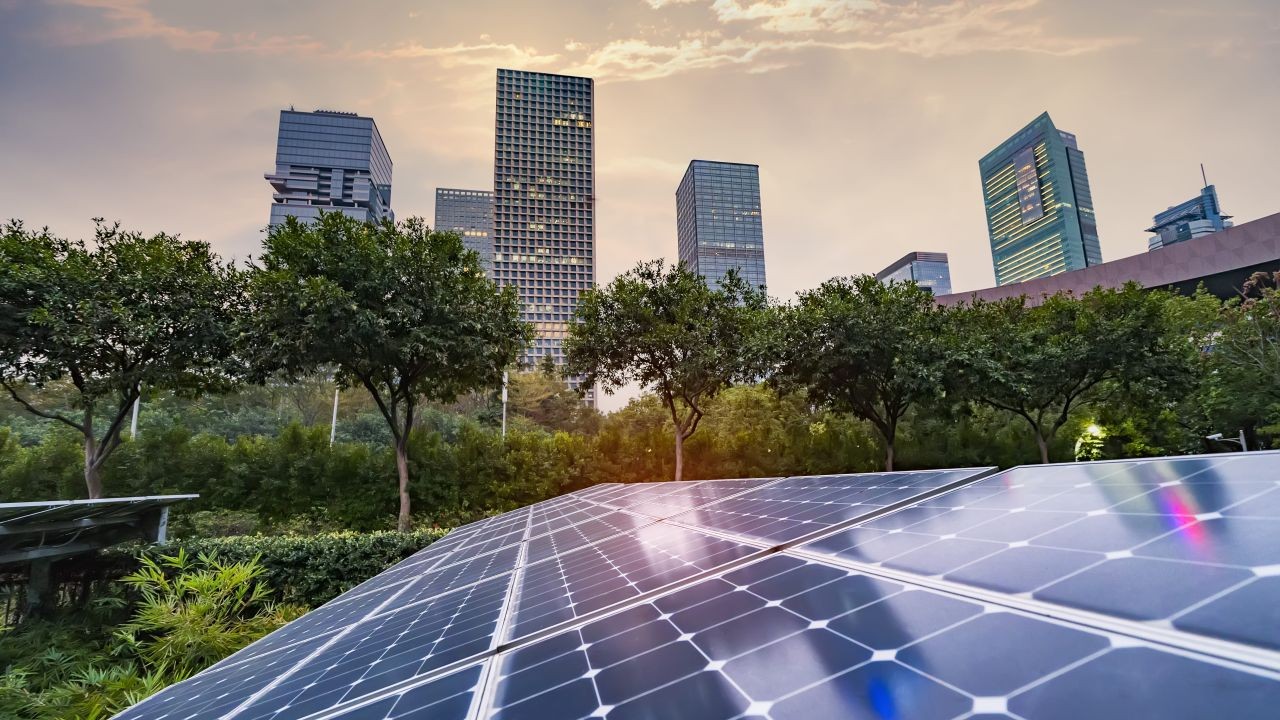





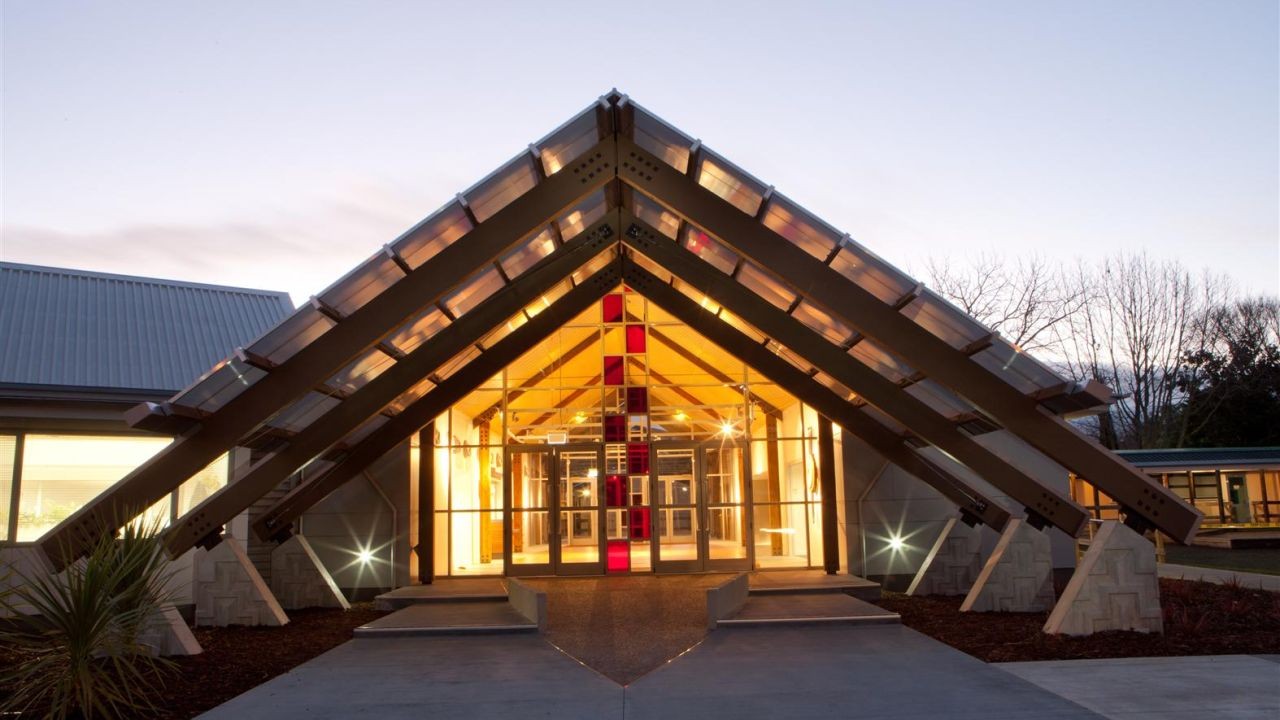
New Zealand's architectural landscape is undergoing a transformative shift, drawing global interest through its unique integration of Maori-inspired design principles. This architectural evolution not only enhances cultural representation but also offers intriguing investment opportunities. As property investment specialists, understanding this trend provides a strategic edge in an increasingly competitive market.
🔍 Step-by-Step Guide to Maori-Inspired Architecture
Maori-inspired architecture is more than just a design choice; it is a holistic approach that integrates cultural heritage with modern sustainability practices. Here's how you can leverage this trend:
- Understand the Cultural Context: Maori architecture is deeply rooted in cultural significance. Engaging with Maori communities and understanding their values can lead to more authentic and respectful designs.
- Incorporate Sustainability: Maori design often includes sustainable practices, such as natural ventilation and solar orientation, which align with New Zealand’s sustainability goals. According to the New Zealand Green Building Council, 85% of new commercial buildings now follow sustainability standards.
- Collaborate with Local Experts: Partnering with Maori architects and cultural advisors ensures that projects honor traditional designs while meeting contemporary needs.
- Focus on Community Spaces: Maori architecture emphasizes communal spaces that foster community interactions, a feature that can enhance property value and community appeal.
🔮 Future Forecast & Trends in Maori-Inspired Architecture
The future of Maori-inspired architecture looks promising, with several trends set to shape the industry:
- Increased Government Support: The New Zealand government, through the Ministry of Business, Innovation, and Employment (MBIE), is increasingly supporting projects that integrate Maori cultural elements, which may include financial incentives and streamlined regulatory processes.
- Technological Integration: Advances in building technology, such as 3D printing and virtual reality, are being used to recreate traditional Maori carvings and structures with precision and efficiency.
- Global Recognition: As New Zealand continues to pioneer Maori-inspired architecture, there is potential for international recognition, which could further increase global interest and investment in this area.
⚖️ Pros & Cons Evaluation
Before diving into Maori-inspired architecture, it's crucial to weigh its pros and cons:
✅ Pros:
- Cultural Enrichment: Integrating Maori design enhances cultural representation and enriches New Zealand’s architectural identity.
- Sustainability: Maori architecture aligns with sustainable building practices, appealing to environmentally conscious investors and consumers.
- Market Differentiation: Properties with unique cultural elements stand out in the market, potentially leading to higher demand and better returns.
❌ Cons:
- Higher Costs: Incorporating unique cultural elements can increase initial design and construction costs.
- Regulatory Challenges: Navigating cultural sensitivities and regulatory requirements can be complex and time-consuming.
- Limited Expertise: There may be a shortage of architects with expertise in Maori-inspired design, leading to potential delays and increased costs.
📖 Real-World Case Studies
Case Study: Te Kura Whare – A Model of Maori Architecture
Problem: The Tuhoe iwi sought to create a central hub that embodied their cultural values and sustainability principles.
Action: They collaborated with Jasmax, a renowned architectural firm, to design Te Kura Whare, New Zealand’s first Living Building. The project incorporated natural materials and traditional Maori design elements.
Result: Te Kura Whare achieved a net-zero energy status and won multiple awards for its sustainability and innovative design. The building has become a cultural and environmental landmark in New Zealand.
Takeaway: This case highlights the potential for Maori-inspired architecture to achieve both cultural representation and sustainability, setting a benchmark for future projects.
🔍 Common Myths & Mistakes
- Myth: Maori-inspired architecture is too traditional and not suitable for modern needs. Reality: Modern Maori architecture effectively blends traditional designs with contemporary functionality, as seen in projects like Te Kura Whare.
- Myth: It is only relevant for cultural buildings. Reality: Maori-inspired designs are being incorporated into various types of buildings, including commercial and residential projects, enhancing their appeal and market value.
- Myth: It doesn’t offer a good return on investment. Reality: Properties with unique cultural elements can command higher market prices, as they stand out in the competitive real estate market.
🔮 Future Trends & Predictions
Looking ahead, several factors will influence Maori-inspired architecture:
- Integration of Advanced Building Technologies: As technology continues to advance, the integration of Maori design with cutting-edge building techniques will become more prevalent, improving both efficiency and authenticity.
- Increased Demand for Sustainable Designs: With growing awareness of environmental issues, sustainable building practices rooted in Maori design will likely become more mainstream.
- Global Influence: As international interest in indigenous architecture grows, there may be increased opportunities for New Zealand architects to export Maori design principles globally.
🔍 People Also Ask (FAQ)
- How does Maori-inspired architecture impact property values in New Zealand? Properties incorporating Maori design often see higher demand and enhanced market differentiation, leading to potentially increased property values.
- What are some challenges in implementing Maori-inspired architecture? Challenges include higher initial costs, regulatory complexities, and a potential shortage of skilled architects familiar with Maori design principles.
- What makes Maori-inspired architecture sustainable? Maori architecture emphasizes natural materials, energy efficiency, and community-focused designs, aligning with global sustainability goals.
🔄 Related Search Queries
- Maori architecture New Zealand
- Sustainable building practices NZ
- Traditional Maori design elements
- New Zealand cultural architecture
- Eco-friendly architecture trends
- Maori design in modern architecture
- Property investment Maori architecture
- New Zealand architectural trends 2024
- Te Kura Whare case study
- Maori sustainability practices
🔚 Conclusion
New Zealand's focus on Maori-inspired architecture is setting a robust global precedent, intertwining cultural heritage with sustainability and modern design. For property investment specialists, recognizing and leveraging this trend could unlock significant opportunities. Ready to explore the potential of Maori-inspired designs in your investment portfolio? Start by engaging with local experts and exploring projects that honor both tradition and innovation.
If you found this article insightful, share it with your network or comment with your thoughts. What’s your next move in the evolving world of Maori-inspired architecture?