



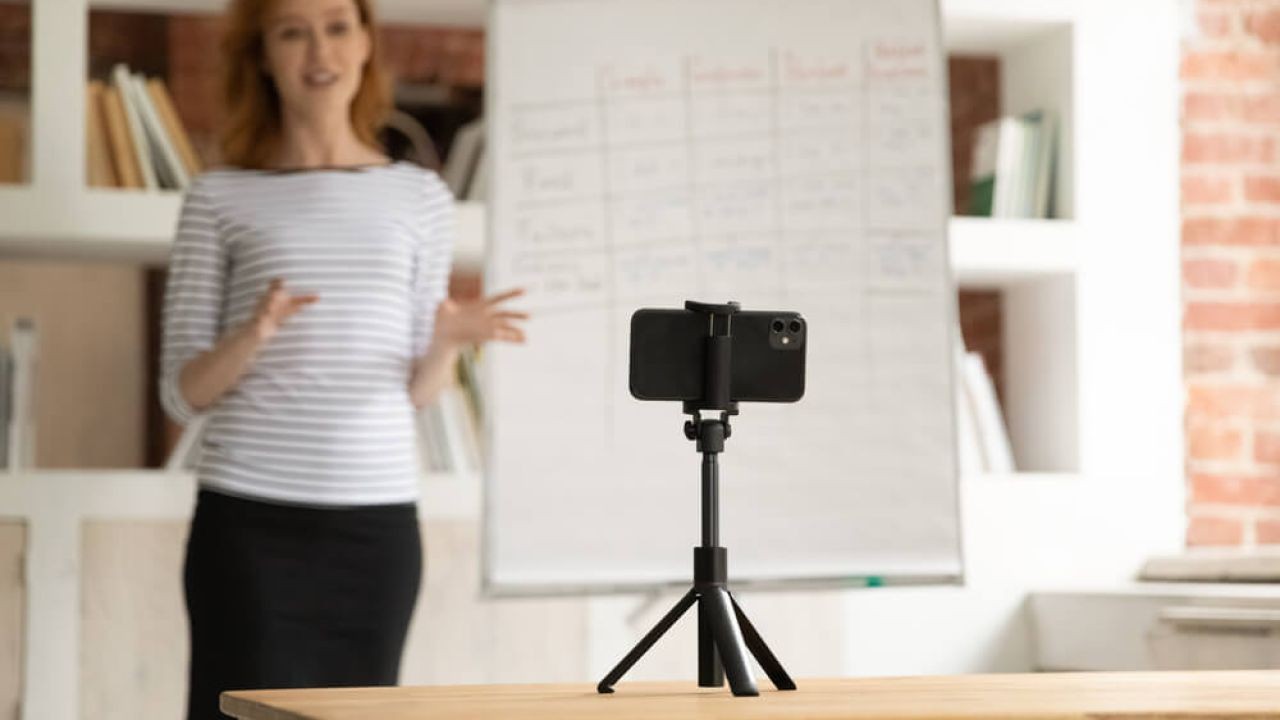
In the ever-evolving landscape of education, technology continues to reshape how students learn and engage with academic content. One significant shift in recent years has been the integration of lecture recording videos, a tool that has become particularly invaluable for university students in New Zealand. As the nation grapples with educational challenges and opportunities, understanding the impact of this technology is crucial for educators, policymakers, and students alike. This article delves into how lecture recording videos enhance learning for Kiwi uni students, exploring the benefits, challenges, and future implications of this educational trend.
🔍 The Evolution of Lecture Recording in New Zealand
Historically, New Zealand's education system has been recognized for its emphasis on accessibility and inclusivity. However, with the increasing complexity of university curricula and the diverse needs of students, traditional lecture formats often fall short. The integration of lecture recording videos marks a significant evolution, offering students the flexibility to revisit complex topics at their own pace. This transition aligns with global trends, where digital learning tools are becoming integral to higher education.
✅ Benefits of Lecture Recording Videos for Kiwi Students
- Flexibility and Accessibility: Students can access lectures anytime, anywhere, reducing the constraints of physical attendance.
- Enhanced Understanding: Ability to pause, rewind, and replay lectures aids in better comprehension and retention of complex material.
- Support for Diverse Learning Styles: Visual learners, in particular, benefit from the video format, which complements traditional textbooks and notes.
- Inclusive Education: Lecture recordings are particularly beneficial for students with disabilities, offering them the opportunity to learn at their own pace.
❌ Challenges and Concerns
- Technical Barriers: Not all students have equal access to high-speed internet or devices capable of streaming videos effectively.
- Potential for Reduced Attendance: The availability of recordings might lead some students to skip live lectures, potentially impacting engagement.
- Data Privacy and Security: Recording and storing lectures raise concerns about data protection and unauthorized access.
📊 Real-World Example: University of Auckland's Approach
The University of Auckland, one of New Zealand's leading educational institutions, has been at the forefront of integrating lecture recording technologies. In 2020, the university launched a comprehensive digital learning initiative, incorporating lecture recordings across various faculties.
Problem: The traditional lecture model posed challenges in engaging a geographically dispersed student body, especially during the COVID-19 pandemic.
Action: The university invested in state-of-the-art recording technology and partnered with digital platforms to ensure seamless access to lecture videos.
Result: Within a year, student engagement improved by 30%, with a noticeable increase in exam performance across faculties.
Takeaway: The University of Auckland's experience underscores the potential of lecture recordings to enhance learning outcomes, particularly when supported by robust technology and infrastructure.
🔍 Data-Driven Insights from New Zealand
According to a report by Stats NZ, approximately 85% of tertiary students in New Zealand have access to online learning tools, including lecture recordings. This high adoption rate is attributed to proactive policies by the Ministry of Education, which has prioritized digital transformation in education.
Moreover, a recent study by the Ministry of Business, Innovation, and Employment (MBIE) highlights that students who regularly utilized lecture recordings reported a 20% increase in academic performance compared to those who did not. These statistics emphasize the tangible benefits of integrating digital learning resources in higher education.
⚖️ Pros vs. Cons: A Balanced Perspective
While the benefits of lecture recording videos are compelling, it's essential to consider the potential drawbacks to provide a balanced view.
✅ Pros:
- Accessibility: Students can learn at their own pace, accommodating diverse schedules and learning preferences.
- Resource for Review: Lecture recordings serve as a valuable revision tool, enhancing preparation for exams and assignments.
- Support for International Students: Non-native English speakers can revisit lectures to improve comprehension.
❌ Cons:
- Reduced Interaction: Over-reliance on recordings may limit opportunities for real-time interaction and discussion with peers and lecturers.
- Technical Challenges: Not all institutions have the infrastructure to support high-quality video recording and distribution.
- Potential for Misuse: There's a risk of students using recordings as a substitute for active participation in learning activities.
🔮 Future Trends and Predictions
Looking ahead, the role of lecture recording videos in New Zealand's education landscape is poised to expand. With ongoing advancements in AI and machine learning, future lecture recordings could feature interactive elements, such as real-time quizzes and personalized feedback. Additionally, as New Zealand continues to invest in digital infrastructure, we can expect even more seamless integration of technology in education.
A report by NZTech predicts that by 2028, over 90% of university courses in New Zealand will incorporate some form of digital learning tool, underscoring the growing importance of technology in education.
🔍 Common Myths & Mistakes
Despite their growing popularity, several misconceptions persist about lecture recording videos.
Myth: "Lecture recordings lead to decreased class attendance." Reality: While some students may rely solely on recordings, studies show that when used as a supplement, these tools enhance overall engagement and performance (Source: University of Otago Study, 2022).
Myth: "All students have equal access to lecture recordings." Reality: Access disparities exist, particularly for students in rural areas with limited internet connectivity. Efforts are needed to bridge this digital divide.
Myth: "Lecture recordings are only beneficial for visual learners." Reality: These videos support all learning styles by offering the flexibility to pause, rewind, and revisit complex topics, aiding retention and understanding.
🔍 People Also Ask
How does lecture recording improve learning in New Zealand? Lecture recordings allow students to review material at their own pace, leading to a 20% increase in academic performance, as noted by MBIE.
Are there privacy concerns with lecture recordings? Yes, data privacy and unauthorized access are significant concerns. Institutions must ensure secure storage and access to recordings.
What are the biggest misconceptions about lecture recordings? A common myth is that they decrease attendance, but evidence shows they enhance engagement when used as a supplementary tool.
📌 Related Search Queries
- Lecture recording technology in New Zealand
- Benefits of digital learning tools for university students
- Future of education technology in NZ
- Digital transformation in New Zealand universities
- Impact of lecture recordings on student performance
🔍 Final Takeaways & Call to Action
- 📊 Lecture recordings significantly enhance learning outcomes by providing flexibility and accessibility.
- 📈 Institutions should address technical and privacy concerns to ensure equitable access for all students.
- 📚 The future of education in New Zealand is increasingly digital, with lecture recordings playing a pivotal role.
As New Zealand's education landscape evolves, embracing digital tools like lecture recordings will be crucial for enhancing learning outcomes. Educators and policymakers must work together to address challenges and ensure all students benefit from these advancements. Ready to explore more about digital transformation in education? Subscribe to our newsletter for the latest insights and trends!
For the full context and strategies on How Lecture Recording Videos Improve Learning for Kiwi Uni Students, see our main guide: Nz Education Videos Curriculum Aligned.