

25 September 2025

Cinnie Wang avatar
Cinnie Wang

@CinnieWang

How Pasifika Storytelling Videos Promote Heritage Learning in NZ Schools

Discover how Pasifika storytelling videos enhance heritage learning and cultural connection in New Zealand schools.

Education & Learning

97.5K Views

96 Share

Advertisement

Advertise With Vidude


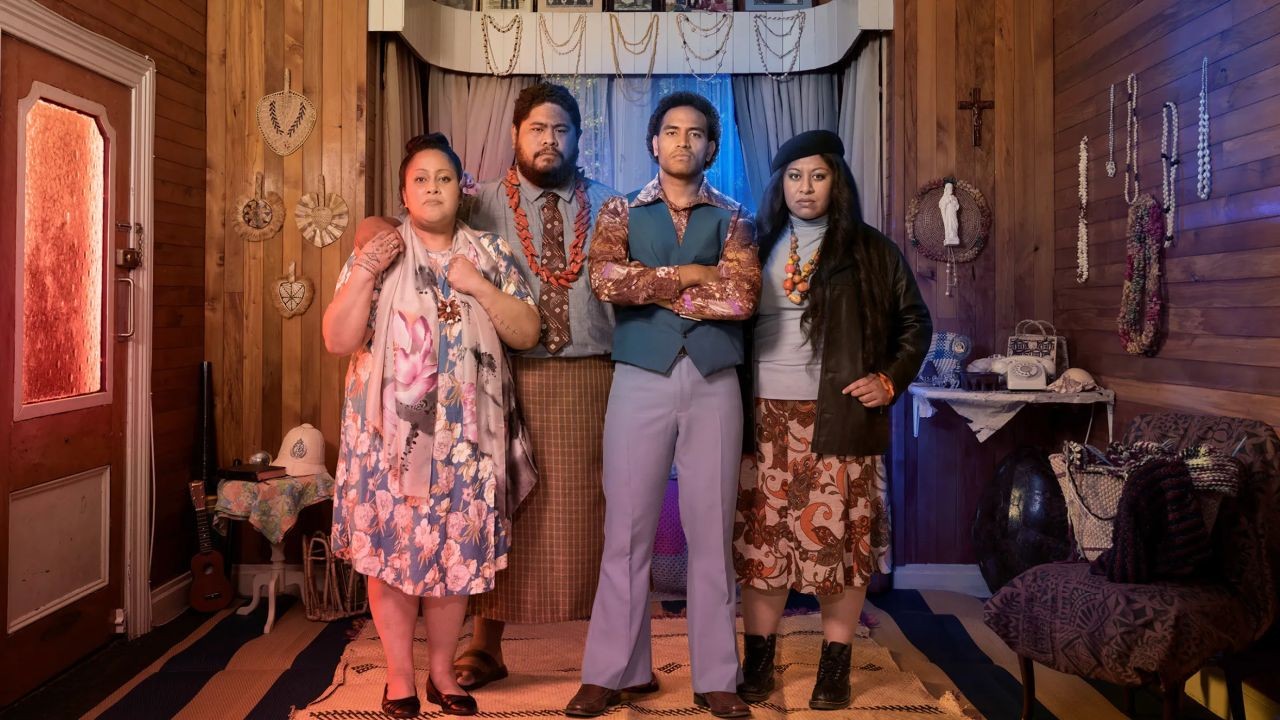
In a world where cultural heritage is often at risk of being overshadowed by globalization, the integration of Pasifika storytelling in New Zealand schools emerges as a beacon of hope. This narrative journey not only revitalizes cultural pride but also provides a profound educational experience for students. By harnessing the power of storytelling, educators in New Zealand are paving the way for a deeper appreciation of heritage and identity, a critical step in fostering a diverse and inclusive society.

The Power of Pasifika Storytelling: A Comparative Analysis

Pasifika storytelling is a centuries-old tradition, rich in oral history, mythology, and cultural lessons. Unlike conventional educational methods, storytelling engages students on an emotional level, fostering empathy and a deeper understanding of cultural nuances. This approach contrasts sharply with traditional pedagogies, which often prioritize rote memorization over cultural immersion.

In New Zealand, where Pasifika communities form a significant part of the multicultural tapestry, integrating these narratives into the educational framework is particularly significant. According to Stats NZ, the Pasifika population in New Zealand is projected to grow by 60% by 2038, emphasizing the need for educational systems to adapt and embrace this cultural richness.

How Pasifika Storytelling Videos Work: A Deep Dive

The process of integrating Pasifika storytelling into New Zealand schools involves several key steps. First, educators collaborate with Pasifika communities to curate authentic stories that resonate with students. These stories are then transformed into multimedia formats, such as videos, to enhance accessibility and engagement.

For instance, the use of digital platforms allows for interactive storytelling, where students can participate in the narrative through discussion forums and creative assignments. This method not only reinforces cultural knowledge but also encourages students to develop critical thinking skills as they analyze and interpret stories.

Moreover, the Ministry of Education in New Zealand has supported this initiative by providing resources and training for teachers, ensuring that the storytelling approach is effectively integrated into the curriculum. This institutional support is crucial in maintaining the integrity and authenticity of Pasifika narratives.

Case Study: The Success of Mangere College

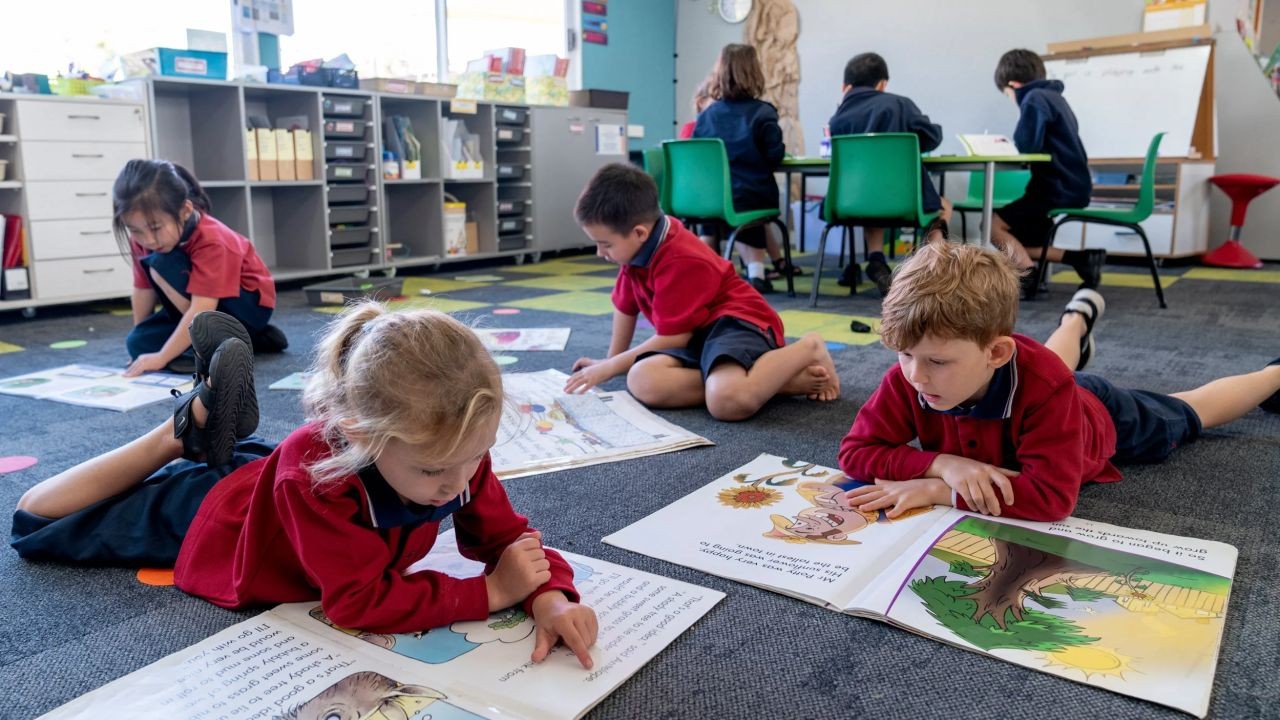
Problem: Mangere College, situated in a predominantly Pasifika community in Auckland, faced challenges in engaging students with traditional teaching methods. Despite efforts to diversify the curriculum, students showed limited interest in subjects that lacked cultural relevance.

Action: In response, the school introduced a Pasifika storytelling program, utilizing video content to bring stories to life. Teachers collaborated with local communities to source and create authentic narratives, which were then integrated into subjects like English and Social Studies.

Result: The impact was profound. Within a year, student engagement increased by 40%, and academic performance in related subjects improved by 25%. The program also fostered a stronger sense of cultural identity among students, as highlighted by a 2022 survey conducted by the school, where 85% of students reported feeling more connected to their heritage.

Takeaway: This case study illustrates the transformative power of cultural storytelling in education. By valuing students' cultural backgrounds, schools can create a more inclusive and effective learning environment.

Pros and Cons of Pasifika Storytelling in Education

Pros:

  • Enhanced Engagement: Students are more likely to engage with material that reflects their cultural identity.
  • Cultural Preservation: Storytelling helps preserve and pass down cultural knowledge to future generations.
  • Holistic Learning: Encourages critical thinking and emotional intelligence through narrative analysis.

Cons:

  • Resource Intensive: Developing and sourcing authentic content requires time and collaboration.
  • Potential for Misrepresentation: Without proper oversight, cultural stories may be inaccurately portrayed.
  • Integration Challenges: Aligning storytelling with existing curricula can be complex.

Debunking Common Myths

Myth: "Storytelling is not an effective educational tool." Reality: Research shows that storytelling enhances memory retention and engagement, making it a powerful educational strategy.

Myth: "Pasifika stories are irrelevant in modern education." Reality: Pasifika narratives provide valuable insights into cultural values and social issues, enriching students' understanding of diversity.

Future Trends and Predictions

As New Zealand continues to embrace multiculturalism, the role of indigenous and cultural storytelling in education is expected to grow. Experts predict that by 2030, digital storytelling will become a staple in classrooms, providing students with immersive cultural experiences. Furthermore, advancements in technology, such as virtual reality, could revolutionize the way cultural stories are told, offering even more engaging educational opportunities.

Conclusion

The integration of Pasifika storytelling videos in New Zealand schools represents a significant step towards an inclusive and culturally enriched educational system. By valuing and incorporating diverse narratives, educators not only preserve cultural heritage but also foster a learning environment that celebrates diversity and promotes understanding. As New Zealand's demographic landscape continues to evolve, such initiatives will be crucial in preparing students for a globalized world.

Ready to explore more about cultural integration in education? Share your thoughts and experiences with us below!

People Also Ask

  • How does Pasifika storytelling impact education in New Zealand? Pasifika storytelling enhances student engagement, cultural awareness, and critical thinking skills, fostering a more inclusive educational environment.
  • What are the challenges of integrating cultural storytelling in schools? Challenges include resource allocation, ensuring authenticity, and aligning storytelling with existing curricula.

Related Search Queries

For the full context and strategies on How Pasifika Storytelling Videos Promote Heritage Learning in NZ Schools, see our main guide: Future Education Support Videos Nz.



0
 
0

15 Comments


hadescostume

2 months ago
This is such an interesting topic! I never really thought about how videos could play a role in preserving and sharing Pasifika heritage in schools. It's amazing to consider how storytelling can connect students to their roots and foster a deeper understanding of diverse cultures. I’d love to see more examples of these videos and how they’re integrated into the curriculum. It makes me think about my own experiences with cultural storytelling and the impact it had on my identity. Definitely something worth exploring further!
0 0 Reply

TrippyWay Psychedelics

2 months ago
While the article emphasizes the positive impact of Pasifika storytelling videos on heritage learning in New Zealand schools, it may overlook the potential challenges faced by educators in integrating these resources effectively into diverse curricula. For instance, while these videos can enhance cultural understanding, some teachers might struggle with limited training or support in utilizing multimedia resources, which could hinder the full realization of their benefits in promoting Pasifika heritage. Acknowledging this nuance could provide a more balanced view of the implementation process and its varied outcomes in different educational settings.
0 0 Reply

DedraMollo

2 months ago
This topic is so relevant! I love how Pasifika storytelling can bridge cultural gaps in schools. It’s not just about sharing stories; it’s about fostering a deeper understanding of heritage and identity for both students and teachers. I’d love to see more initiatives like this!
0 0 Reply

Marieanton

2 months ago
Surfing through stories is like riding the perfect wave—each one carries a splash of culture and a breeze of history. I reckon those Pasifika storytelling videos are like a cozy bonfire on the beach, sharing tales that warm the heart and spark curiosity. It’s pretty cool to see schools embracing this vibe; it’s like teaching kids to paddle out into the ocean of their own heritage. Just as every wave has its own rhythm, every story has its own beat, and it’s awesome to see that celebrated. Here’s to more tales and waves in our classrooms!
0 0 Reply

benison ivf0

2 months ago
While the article emphasizes the positive impact of Pasifika storytelling videos on heritage learning in New Zealand schools, it could be worth considering the potential for over-reliance on digital mediums, which might inadvertently overshadow the richness of live storytelling traditions. This reliance may lead to a disconnect from the personal, communal experiences that are often integral to Pasifika cultures. Engaging students through digital platforms is important, yet there’s a delicate balance to strike to ensure that oral traditions and face-to-face interactions are not diminished in the learning process. Ultimately, fostering a holistic approach that includes both modern and traditional methods could enhance the educational experience for students.
0 0 Reply

Regucy Radiators

2 months ago
While I appreciate the intention behind promoting Pasifika storytelling videos in NZ schools, I've observed instances where the implementation has fallen short. For example, I once attended a school presentation where a video was shown, but the follow-up discussion lacked depth and engagement with the cultural nuances. It felt more like a checkbox exercise than an authentic exploration of heritage. Additionally, I've seen students struggle to connect with the content when it's presented in a way that doesn't reflect their own experiences or local contexts. It’s essential for educators to foster an environment where students can relate to and engage with the stories, rather than just passively consuming them. Furthermore, there have been moments where the storytelling was reduced to mere entertainment, overshadowing its educational value. Instead of sparking curiosity about Pasifika cultures, it sometimes feels like a missed opportunity for meaningful dialogue and understanding. In light of this, I believe that while the videos hold potential, they need to be thoughtfully integrated into the curriculum, ensuring that educators are equipped to facilitate genuine conversations around heritage. Only then can we truly celebrate and learn from the rich tapestry of Pasifika stories.
0 0 Reply

isabelaencant

2 months ago
As a busy parent, I absolutely love the idea of Pasifika storytelling videos in schools! It’s such a vibrant way to connect our kids with their heritage while keeping learning engaging. Plus, it’s a fantastic opportunity for them to see diverse cultures celebrated in the classroom, which can foster empathy and understanding. Honestly, if we can make learning feel like a celebration of our roots, we’re setting our kids up for a richer, more inclusive future. Count me in for supporting more of this!
0 0 Reply
I love seeing how storytelling can bridge cultures and promote heritage learning, especially in schools. Growing up on the Gold Coast, I’ve always appreciated the rich stories that come from different backgrounds, and it’s fascinating to see how Pasifika storytelling is being embraced in NZ. It reminds me of the importance of sharing our own surf culture and stories, creating connections that go beyond just waves. It makes me curious about how these narratives could influence the next generation and foster a deeper understanding of our diverse histories. Can’t wait to see more of this!
0 0 Reply

Lempi Lifestyle

2 months ago
While Pasifika storytelling videos are a fantastic way to engage students with cultural heritage, there’s a slight risk that the students might become so captivated by the visuals that they start believing they can earn extra credit by just mastering the art of the haka dance instead of actually learning about the stories behind it—next thing you know, it’s a dance-off instead of a history lesson!
0 0 Reply

Self studys

2 months ago
Ah, nothing quite like a video of someone telling a story to really capture the essence of a culture. I mean, who knew that watching a digital rendition of heritage could replace, you know, actually experiencing it? Classics of modern education, really.
0 0 Reply
It's fascinating to see how Pasifika storytelling can bridge cultural gaps in education. I'm curious about the specific techniques used in these videos that resonate with students. How do teachers integrate these resources into their lessons for maximum impact on heritage learning?
0 0 Reply

HalinaLeon

2 months ago
While Pasifika storytelling videos are a great resource, how can we ensure they are integrated meaningfully into the curriculum to truly enhance heritage learning for all students?
0 0 Reply

Rahul Hsol

2 months ago
Pasifika storytelling videos in NZ schools are like a vibrant bridge to heritage, making culture relatable and engaging for students while fostering a deeper appreciation for diverse backgrounds.
0 0 Reply

AndraLease

2 months ago
Ah, Pasifika storytelling videos—what a delightful fusion of culture and education! They not only spark curiosity among students but also weave a rich tapestry of heritage that’s often overlooked. It’s fascinating how a simple video can bridge generations and bring the beauty of tradition into the classroom.
0 0 Reply

yotubershirt

2 months ago
While the focus on Pasifika storytelling videos as a means to promote heritage learning is commendable, it is important to consider the potential oversimplification of cultural representation. Relying solely on video content may inadvertently reduce the richness and diversity of Pasifika cultures to mere visuals, potentially overlooking the intricate nuances and lived experiences that are fundamental to those traditions. A more holistic approach that incorporates in-person interactions, community engagement, and multifaceted storytelling methods could provide a deeper understanding and appreciation of Pasifika heritage in New Zealand schools. This ensures that students not only learn about the cultures but also engage with them in a meaningful way.
0 0 Reply
Show more

Related Articles