


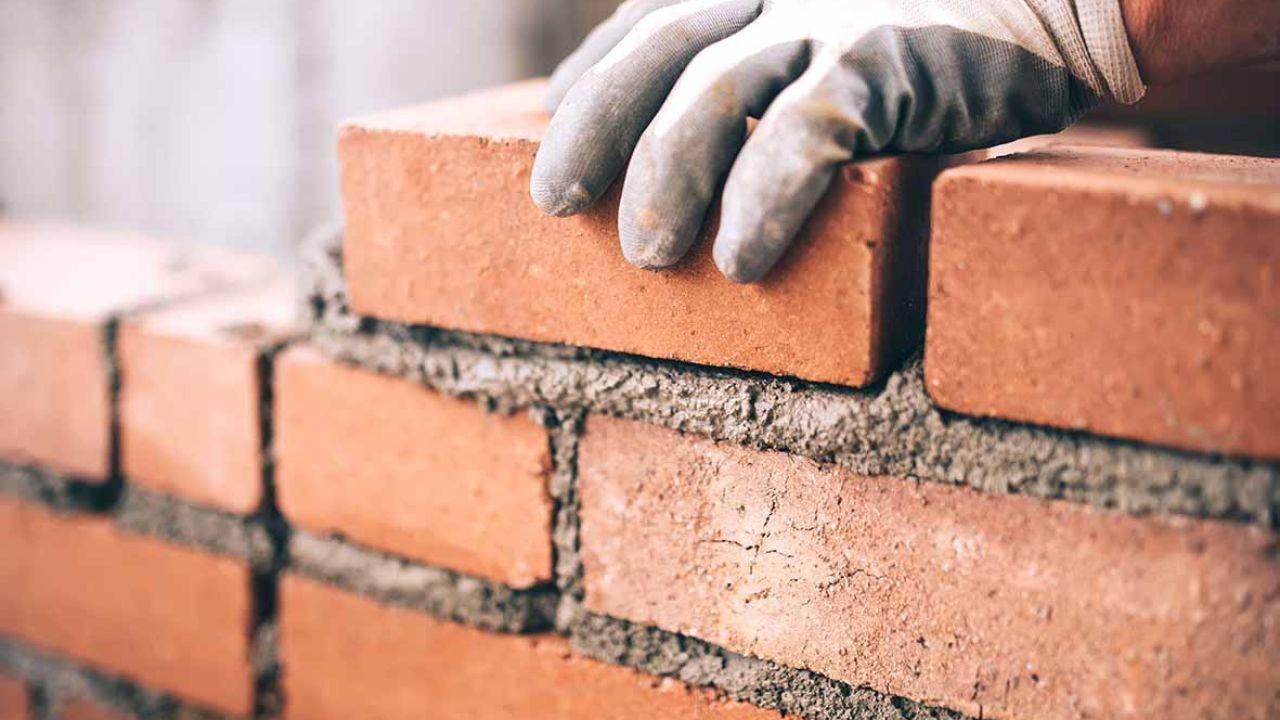
In the rapidly evolving landscape of sustainable construction, New Zealand is experiencing a surge in demand for masonry projects that are both eco-friendly and cost-effective. This trend aligns with global movements towards sustainable building practices, aiming to reduce carbon footprints while maintaining structural integrity. With the growing interest, Kiwis are searching for comprehensive, step-by-step masonry video tutorials to guide them through the intricacies of these projects. This article delves into the reasons behind this trend, the benefits of masonry in sustainability, and provides actionable insights for sustainability consultants to harness this opportunity.
Understanding the Kiwi Context
New Zealand's commitment to sustainability is underpinned by government policies and public sentiment. According to the Ministry of Business, Innovation and Employment (MBIE), the construction sector is a significant contributor to the country's greenhouse gas emissions. In response, there is a push towards adopting more sustainable building methods, including the use of masonry, which is known for its durability and thermal efficiency. Furthermore, the Reserve Bank of New Zealand’s focus on sustainable economic growth emphasizes the importance of eco-friendly construction, aligning with the global agenda for reducing environmental impact.
Why Masonry? The Sustainable Choice
- Durability and Longevity: Masonry structures are known for their long lifespan, often outlasting other construction materials.
- Thermal Mass: Masonry provides excellent thermal mass, reducing the need for artificial heating and cooling, thus lowering energy consumption.
- Local Materials: Utilizing locally sourced materials minimizes transportation emissions and supports the local economy.
- Recyclability: Masonry materials can be recycled and reused, reducing landfill waste.
Case Study: Sustainable Masonry in Action
Case Study: EcoBuild NZ – Achieving Sustainability through Masonry
Problem: EcoBuild NZ, a sustainable construction company, faced challenges in reducing the carbon footprint of their projects without compromising on quality and cost.
- The company struggled with high energy consumption in traditional construction processes.
- Market research indicated a growing demand for sustainable building solutions.
Action: To address these challenges, EcoBuild NZ adopted masonry as a core construction material.
- They implemented a strategy to source local masonry materials, reducing transportation emissions.
- Training programs were introduced to upskill workers in sustainable masonry techniques.
Result: Within a year, EcoBuild NZ achieved significant improvements:
- Energy consumption reduced by 30%.
- Project costs decreased by 15% due to the efficiency of masonry.
- Customer satisfaction increased, leading to a 40% rise in project inquiries.
Takeaway: This case study underscores the potential of masonry to enhance sustainability in the construction sector. New Zealand businesses can leverage local resources to improve environmental outcomes and economic performance.
The Role of Video Tutorials
Video tutorials have emerged as a vital tool for disseminating knowledge on masonry techniques. These tutorials offer a visual guide, making it easier for both novice builders and seasoned professionals to understand complex processes. For sustainability consultants, these resources provide an opportunity to educate clients on the benefits and application of masonry in sustainable construction.
Pros and Cons of Masonry Video Tutorials
Understanding the advantages and limitations of masonry video tutorials is crucial for informed decision-making.
✅ Pros:
- Accessibility: Tutorials are widely accessible online, providing flexibility in learning.
- Visual Clarity: Step-by-step visuals enhance comprehension of complex techniques.
- Cost-Effective: Online tutorials reduce the need for costly training sessions.
- Expert Insights: Many tutorials feature expert demonstrations, adding credibility.
❌ Cons:
- Variable Quality: Not all tutorials are created equal; some may lack depth or accuracy.
- Limited Interaction: Pre-recorded videos do not allow for real-time queries or feedback.
- Technical Requirements: Access to high-quality videos requires reliable internet connectivity.
Debunking Common Myths
Despite the benefits of masonry, several misconceptions persist that can hinder its adoption in sustainable construction.
Myth: "Masonry is not energy efficient."
Reality: Masonry provides excellent thermal mass, reducing heating and cooling needs by up to 20% (Source: University of Auckland).
Myth: "Masonry is outdated and lacks innovation."
Reality: Advances in masonry technology have led to enhanced materials that offer improved sustainability and performance (Source: NZ Building Research Institute).
Myth: "Masonry is more expensive than other materials."
Reality: While initial costs may be higher, masonry's durability and low maintenance reduce long-term expenses.
Future Trends in Sustainable Masonry
The future of masonry in New Zealand is promising, with several trends set to shape the industry:
- 3D Printing: The integration of 3D printing technology is poised to revolutionize masonry construction, offering precision and reducing material waste.
- Advanced Materials: The development of eco-friendly masonry materials, such as carbon-neutral cement, is gaining traction.
- Smart Masonry: The incorporation of smart technology into masonry structures will enhance energy efficiency and building performance.
Final Takeaways
- ✅ Fact: Masonry provides a sustainable and durable solution for construction in New Zealand.
- 🔥 Strategy: Leverage local resources to maximize the sustainability of masonry projects.
- ❌ Mistake to Avoid: Overlooking the long-term cost benefits of masonry due to higher initial expenses.
- 💡 Pro Tip: Utilize video tutorials to stay updated on the latest masonry techniques and innovations.
- 🔮 Prediction: By 2030, masonry will play a pivotal role in New Zealand's sustainable construction landscape, driven by technological advancements and policy support.
Conclusion
As New Zealand continues to prioritize sustainable development, masonry presents a robust solution for the construction industry. By embracing innovative techniques and leveraging video tutorials, sustainability consultants can guide clients toward eco-friendly building practices that offer both environmental and economic benefits. What’s your take on masonry as a sustainable solution? Share your insights below!
People Also Ask (FAQ)
- How does masonry impact businesses in New Zealand? Masonry can reduce construction energy costs by up to 30%, enhancing sustainability and profitability for NZ businesses (Source: MBIE).
- What are the biggest misconceptions about masonry? A common myth is that masonry is outdated. However, new technology has made it a leading choice for sustainable construction (Source: NZ Building Research Institute).
- What are the best strategies for implementing masonry? Experts recommend sourcing local materials, staying updated with video tutorials, and incorporating new technologies to maximize efficiency.
Related Search Queries
- Sustainable masonry techniques
- Eco-friendly construction materials NZ
- New Zealand building regulations 2023
- Masonry video tutorials for beginners
- Benefits of masonry in construction
- Local sourcing for construction materials in NZ
- 3D printing in masonry construction
- Advanced masonry materials
- Smart technology in construction
- Thermal efficiency in building design
For the full context and strategies on Step-by-Step Masonry Video Tutorials That Kiwis Are Searching For, see our main guide: Tradie Video Marketing Social Media Nz.