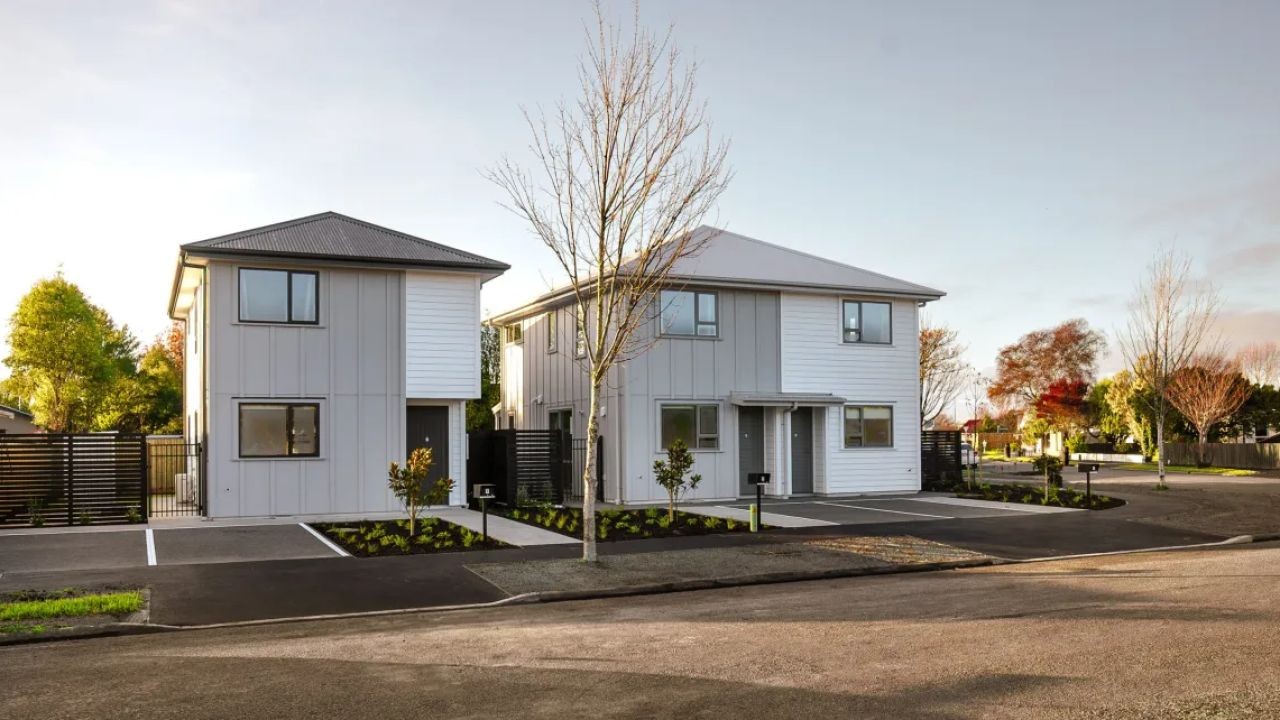





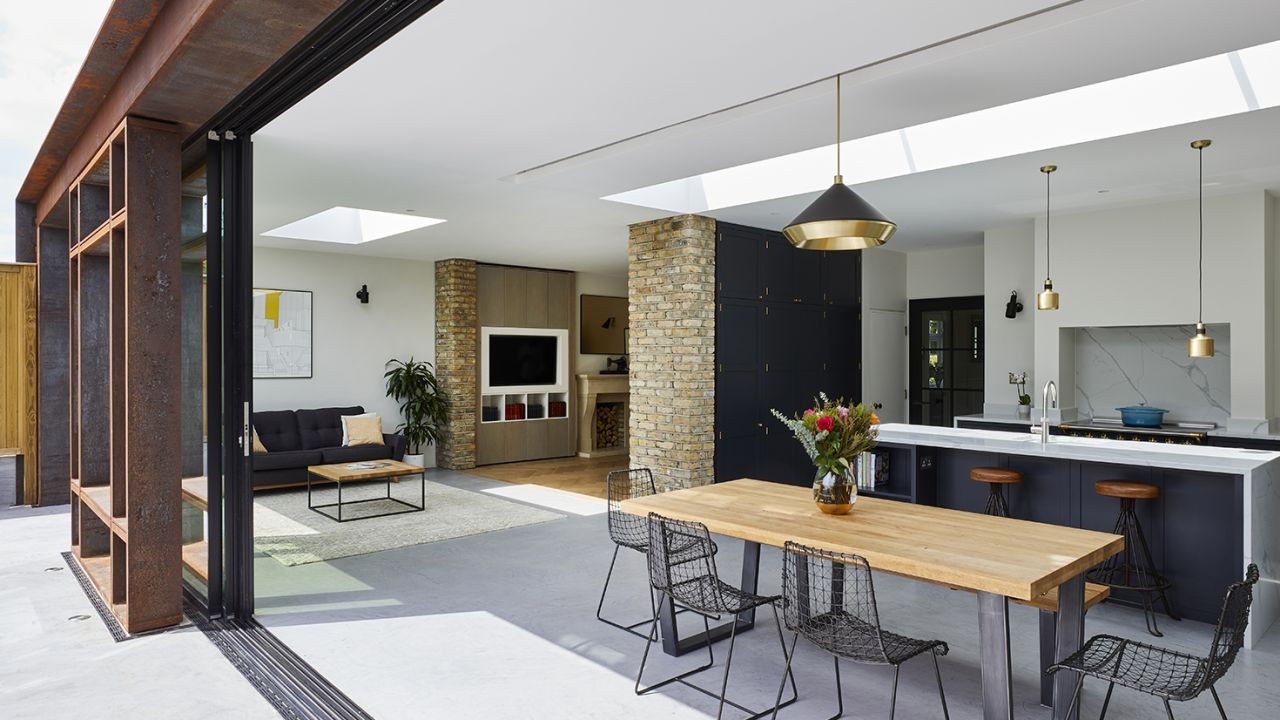
New Zealand's picturesque coastal landscapes have long been a source of inspiration for homeowners and architects alike, offering a canvas for modern renovations that blend seamlessly with natural beauty. Yet, the allure of coastal homes extends beyond aesthetics, intersecting with economic considerations, regulatory challenges, and societal trends. In this article, we explore how modern coastal homes are reshaping the real estate landscape in New Zealand and what this means for tax specialists and investors.
Future Forecast & Trends: The Rise of Modern Coastal Homes
The fascination with coastal living is not a passing trend. According to Statistics New Zealand, coastal property values have seen a significant uptick over the past decade, with a 35% increase from 2010 to 2020. This growth reflects a broader global trend where luxury meets sustainability, as homeowners seek spaces that offer both opulence and environmental harmony.
Driving this trend is a growing awareness of climate change and a push towards eco-friendly living. Modern coastal homes often incorporate sustainable materials and energy-efficient technologies, making them appealing not only for their aesthetic value but also for their reduced environmental footprint.
Comparative Analysis: Global Trends and New Zealand’s Unique Position
Globally, the demand for luxury coastal properties is surging. In the United States, the National Association of Realtors reported a 30% increase in coastal home sales in 2022. While this global trend is mirrored in New Zealand, unique local factors come into play.
New Zealand's regulatory environment, shaped by the Resource Management Act (RMA), presents unique challenges and opportunities for coastal home development. This legislation, aimed at sustainable management of natural resources, requires developers to consider environmental impacts carefully. Moreover, New Zealand's commitment to reducing carbon emissions aligns with the growing trend of constructing net-zero homes.
Case Study: Innovative Coastal Living in Auckland
Case Study: Auckland’s Sustainable Coastal Development – Embracing Eco-Luxury
Problem:
Auckland-based developer, Coastal Haven Ltd., faced the challenge of balancing luxury with sustainability. The company needed to attract high-end buyers while adhering to Auckland's stringent environmental regulations.
Action:
Coastal Haven Ltd. embraced a comprehensive strategy incorporating solar panels, rainwater harvesting systems, and locally sourced building materials. Collaborating with environmental consultants, they ensured compliance with the RMA while adding value to their properties.
Result:
Within two years, Coastal Haven Ltd. saw a 50% increase in property values and a 30% reduction in utility costs for homeowners. Their development became a benchmark for eco-luxury in New Zealand.
Takeaway:
This case study underscores the importance of integrating sustainability into luxury coastal developments. New Zealand businesses can leverage similar strategies to enhance property value and appeal to environmentally conscious buyers.
Common Myths & Mistakes: Navigating the Coastal Property Market
- Myth: "Coastal homes are always at risk of climate change." Reality: Modern construction techniques and strategic site selection mitigate many climate risks (Source: NZ Building Research).
- Myth: "Eco-friendly homes cost significantly more." Reality: Initial costs may be higher, but long-term energy savings offset these expenses (Source: MBIE Report 2023).
- Myth: "Coastal properties depreciate faster." Reality: In New Zealand, coastal property values have consistently outpaced inflation (Source: Reserve Bank of NZ).
Pros vs. Cons of Investing in Modern Coastal Homes
✅ Pros:
- High Return on Investment: Coastal properties have historically offered robust appreciation rates.
- Sustainability Appeal: Eco-friendly features attract a growing segment of environmentally conscious buyers.
- Aesthetic Value: The natural beauty of coastal locations enhances property desirability.
❌ Cons:
- Regulatory Hurdles: Compliance with environmental regulations can be complex and costly.
- Climate Risks: Despite advancements, coastal properties may still face environmental challenges.
- Initial Costs: High upfront investment in sustainable technologies can deter some buyers.
Future Trends & Predictions: The Coastal Market in 2030
As we look to the future, several trends are poised to shape the coastal property market in New Zealand. According to a 2024 report by the Ministry of Business, Innovation and Employment (MBIE), sustainable building practices will become a standard requirement, not just a luxury option. Furthermore, advancements in climate adaptation technologies are expected to mitigate many of the current environmental concerns associated with coastal properties.
Prediction: By 2030, it is likely that over 50% of new coastal developments will incorporate renewable energy sources and sustainable building practices, driven by both regulatory pressure and consumer demand.
Conclusion: Navigating the Future of Coastal Homes
For tax specialists and investors, understanding the evolving landscape of New Zealand's coastal property market is crucial. With a growing emphasis on sustainability and luxury, these homes offer significant investment opportunities. However, navigating the regulatory environment and initial costs requires careful planning and expert guidance.
Final Takeaway: To capitalize on this trend, stakeholders should prioritize sustainable practices, stay informed about regulatory changes, and consider the long-term value of eco-friendly features.
Are you ready to explore the potential of modern coastal homes? Share your thoughts and insights below!
People Also Ask (FAQ)
- How does the coastal property trend impact New Zealand’s economy? Coastal properties boost local economies by attracting tourism and increasing property values, significantly contributing to regional development (Source: NZ Economic Insights 2023).
- What are the biggest misconceptions about coastal homes? A common myth is that coastal properties are too risky due to climate change. However, modern building technologies now mitigate many of these risks (Source: NZ Building Research).
- What strategies should investors consider when purchasing coastal properties? Investors should focus on properties with sustainable designs and consider long-term climate adaptation strategies to protect their investments.
Related Search Queries
- Modern coastal homes New Zealand
- Sustainable building trends NZ
- Coastal property investment strategies
- NZ real estate market trends 2025
- Environmental impact on coastal homes
- Luxury coastal living NZ
- Climate change and real estate
- Resource Management Act NZ coastal
- Eco-friendly home designs NZ
- New Zealand housing market predictions
For the full context and strategies on Renovation Inspiration: Modern Coastal Homes in New Zealand, see our main guide: Product Event Demos Nz.