





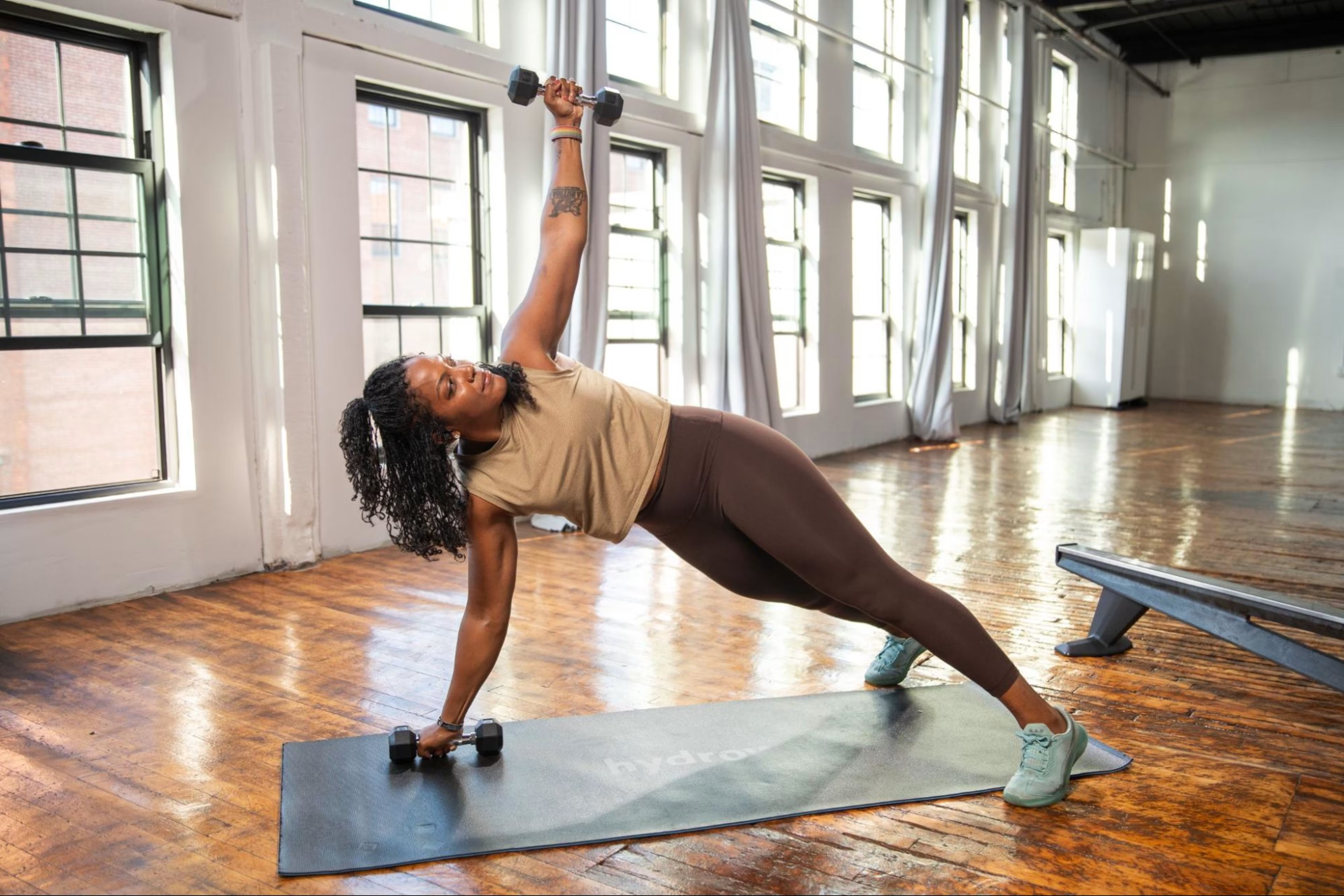
Fitness vloggers have taken the global health community by storm, and New Zealand is no exception. These digital influencers not only motivate individuals to adopt healthier lifestyles but also shape the nation's fitness industry. As venture capitalists, it’s crucial to understand how this burgeoning trend impacts local businesses and what opportunities lie ahead.
Comparative Analysis: The Rise of Fitness Vloggers
In recent years, fitness vloggers have grown from niche influencers to mainstream health advocates. In New Zealand, the fitness industry saw a significant boost as vloggers began to dominate platforms like YouTube and Instagram. According to Stats NZ, the health and fitness sector grew by 8.4% from 2018 to 2022, a trend largely attributed to the influence of digital content creators.
Globally, the fitness influencer market is projected to reach $10.6 billion by 2025, driven by increased demand for home workouts and personal health advice. New Zealand's unique market, characterized by its emphasis on outdoor activities and holistic health, offers a fertile ground for fitness vloggers who blend traditional Maori wellness practices with modern fitness trends.
Local Context and Industry Trends
The New Zealand fitness industry benefits from a strong cultural emphasis on outdoor activities and sports. Fitness vloggers tap into this by promoting local trails, beaches, and parks as workout spaces. Moreover, government initiatives encouraging physical activity, such as the Healthy Families NZ program, further bolster the industry's growth.
According to the Ministry of Business, Innovation, and Employment (MBIE), New Zealand's wellness tourism market is set to expand by 12% annually, presenting an opportunity for fitness vloggers to collaborate with local businesses and tourism operators.
Case Study: Les Mills and the Vlogger Partnership
Problem: Les Mills, a leading fitness brand in New Zealand, faced the challenge of declining gym memberships during the COVID-19 pandemic. With people hesitant about returning to physical spaces, Les Mills needed to pivot to maintain engagement.
Action: The company partnered with local fitness vloggers to launch a series of virtual workout classes. By leveraging the vloggers' reach and credibility, Les Mills was able to promote its online classes to a wider audience.
Result: The campaign led to a 35% increase in virtual class attendance within three months. The collaboration not only retained existing members but also attracted new subscribers who were influenced by their favorite online personalities.
Takeaway: This case study illustrates the power of influencer partnerships in adapting to market challenges. New Zealand businesses can replicate this model by leveraging local influencer networks to enhance brand visibility and customer engagement.
Future Forecast & Trends
The fitness vlogging trend is poised to grow further, with several key trends shaping the future landscape:
- Personalized Content: As technology advances, fitness vloggers will increasingly offer personalized workout plans and nutrition advice using AI-driven platforms.
- Cross-Industry Collaborations: Expect more partnerships between fitness influencers and brands across sectors like apparel, nutrition, and travel.
- Sustainability Focus: With a growing emphasis on sustainability, vloggers will promote eco-friendly products and practices, aligning with New Zealand's environmental values.
According to a report by NZTech, the integration of tech in fitness, such as wearable devices and virtual reality workouts, is expected to increase by 30% by 2026, providing new avenues for vloggers to engage their audience.
Common Myths & Mistakes
While fitness vloggers offer numerous benefits, several misconceptions persist:
- Myth: "Fitness vloggers only promote extreme workouts." Reality: Many influencers advocate for balanced, accessible fitness routines that cater to all levels, emphasizing gradual progress.
- Myth: "Vloggers offer unqualified advice." Reality: Reputable fitness vloggers often hold certifications and consult with health professionals to ensure their content is credible.
- Myth: "Following vloggers is costly." Reality: Many influencers provide free content, and their partnerships often result in discounts for their audience.
Pros vs. Cons Analysis
✅ Pros:
- Wider Reach: Fitness vloggers can reach a global audience, introducing New Zealand businesses to international markets.
- Cost-Effective Marketing: Collaborating with influencers can be more affordable than traditional advertising, offering high ROI.
- Authentic Engagement: Influencers build trust with their audience, leading to higher engagement and conversion rates.
❌ Cons:
- Brand Fit Challenges: Not all influencers align with brand values, making careful selection crucial to avoid reputation risks.
- Content Oversaturation: The market is crowded, and standing out requires unique, high-quality content.
- Regulatory Concerns: Compliance with advertising standards and disclosure requirements is essential to maintain consumer trust.
Final Takeaways (Bullet-Point Summary)
- Fitness vloggers significantly impact New Zealand's health community, driving industry growth.
- Partnerships with influencers can enhance brand visibility and customer engagement.
- Future trends include personalized content, cross-industry collaborations, and a focus on sustainability.
- Businesses should navigate myths and mistakes to leverage influencer marketing effectively.
- Investing in technology and innovative content strategies will be key to staying competitive.
In conclusion, the influence of fitness vloggers on New Zealand's health community presents a wealth of opportunities for businesses and investors. By understanding the local context and global trends, stakeholders can make informed decisions to capitalize on this thriving sector. What's your strategy for integrating influencer marketing into your business? Share your thoughts and let's discuss how we can shape the future of fitness in New Zealand together!
People Also Ask (FAQ)
- How do fitness vloggers impact New Zealand's businesses? Fitness vloggers help businesses reach wider audiences and boost engagement. Collaborations with influencers can enhance brand visibility and customer loyalty.
- What are the challenges of working with fitness vloggers? Challenges include ensuring brand alignment, managing content quality, and complying with advertising standards to maintain consumer trust.
- What are the future trends in fitness vlogging? Future trends include personalized content, cross-industry collaborations, and a focus on sustainability and technology integration.
Related Search Queries
- Fitness influencers in New Zealand
- Impact of social media on health industry
- Future of fitness industry in New Zealand
- How to collaborate with fitness vloggers
- New Zealand fitness industry trends
For the full context and strategies on Fitness Vloggers Inspiring the New Zealand Health Community, see our main guide: Fitness Sports Wellness Videos Nz.