






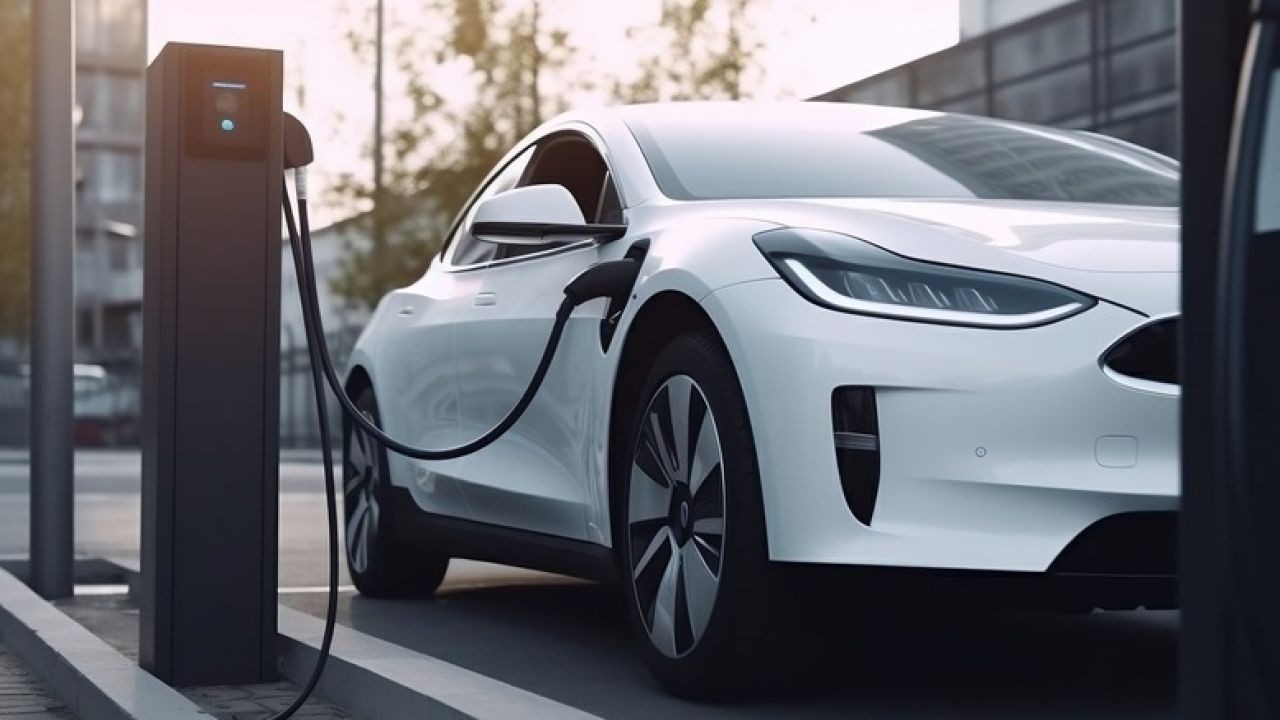
In recent years, the global movement towards environmental sustainability has brought electric vehicles (EVs) to the forefront of automotive innovation, with New Zealand being no exception. While the Land of the Long White Cloud is renowned for its breathtaking landscapes, it's also becoming a significant player in the EV market. As the government pushes towards a net-zero carbon emissions target by 2050, understanding current trends in New Zealand's EV market is crucial for financial advisors and investors alike. This article delves into the historical perspective of the New Zealand EV market, examines current trends, debates differing viewpoints, and offers expert insights to provide a comprehensive understanding of this evolving sector.
Future Forecast & Trends: The Rise of the EV Market in New Zealand
The evolution of New Zealand's EV market can be traced back to the early 2000s when the global automotive industry began acknowledging the potential of electric vehicles. Fast forward to today, and New Zealand is witnessing a surge in EV adoption, driven by government incentives, technological advancements, and changing consumer preferences. The Ministry of Business, Innovation, and Employment (MBIE) reports that the number of EVs on New Zealand roads increased by over 50% in 2022 alone, a clear indicator of the country's commitment to reducing its carbon footprint.
A pivotal moment in New Zealand’s EV journey came with the introduction of the Clean Car Discount scheme, which aims to make EVs more affordable for the average consumer. This policy, coupled with the Zero Emission Vehicle (ZEV) mandate, has set the stage for rapid growth in EV adoption. The Reserve Bank of New Zealand predicts that by 2030, EVs could make up 30% of all new car sales in the country, presenting lucrative opportunities for investors focused on sustainability and green technologies.
Current Trends and Industry Movements
Several notable trends are shaping the current landscape of New Zealand's EV market:
- Infrastructure Expansion: The government and private sector are investing heavily in charging infrastructure, aiming to install over 1,500 new charging stations by 2025. This development is crucial in addressing range anxiety among potential EV buyers.
- Technological Innovations: Advances in battery technology are making EVs more efficient and affordable. Local startups like Uptek are at the forefront of developing lightweight, high-capacity batteries that promise to extend vehicle range significantly.
- Consumer Awareness: Increasing awareness about environmental issues and the benefits of EVs is shifting consumer preferences. Data from Stats NZ reveals that 68% of Kiwis are considering purchasing an EV as their next vehicle, up from 32% just five years ago.
Debate & Contrasting Views: Challenges and Controversies
Despite the promising trends, the New Zealand EV market is not without its challenges and controversies. One of the primary debates centers around the environmental impact of EV production versus conventional vehicles. Critics argue that while EVs reduce tailpipe emissions, the production and disposal of batteries pose significant environmental risks. However, proponents counter that advancements in recycling technology and sustainable sourcing of materials are mitigating these concerns.
Another contentious issue is the cost of EVs. While prices have been dropping, EVs remain more expensive than their petrol counterparts, which could deter widespread adoption. Financial advisors need to weigh the long-term savings on fuel and maintenance against the upfront investment when advising clients on EV purchases.
Pros vs. Cons: A Balanced Analysis
When considering the New Zealand EV market, financial advisors should weigh the following:
✅ Pros:
- Reduced Operating Costs: EVs typically cost 30-50% less to operate compared to petrol vehicles, offering long-term savings on fuel and maintenance.
- Environmental Benefits: EVs contribute to lower emissions, aligning with global sustainability goals and enhancing corporate social responsibility profiles.
- Government Incentives: Policies like the Clean Car Discount make EVs more financially attractive through rebates and reduced registration fees.
❌ Cons:
- High Initial Costs: The upfront price of EVs can be a barrier for some consumers, despite long-term savings.
- Limited Model Availability: The range of EV models available in New Zealand is limited compared to international markets, potentially restricting consumer choice.
- Infrastructure Gaps: While charging infrastructure is expanding, rural areas may still face accessibility issues.
Expert Opinion & Thought Leadership: Insights from Industry Leaders
Industry experts are optimistic about the future of EVs in New Zealand. Dr. Sarah Thompson, a leading environmental economist at the University of Auckland, argues that "the transition to electric vehicles is not just an environmental imperative but an economic opportunity for New Zealand. By investing in EV technology and infrastructure, New Zealand can position itself as a leader in sustainable transport solutions."
Moreover, local entrepreneurs are capitalizing on the EV trend. Consider the case of ChargeNet, a New Zealand-based company that has built the largest EV charging network in the country. They have successfully partnered with local councils and businesses to expand charging stations across urban and rural areas, demonstrating the potential for profitable ventures within the EV ecosystem.
Case Study: ChargeNet – Pioneering New Zealand's EV Charging Network
Problem: In 2015, the lack of charging infrastructure was a significant hurdle for EV adoption in New Zealand.
Action: ChargeNet launched an ambitious project to establish a nationwide network of fast-charging stations, collaborating with businesses and local governments to strategically place chargers in high-traffic areas.
Result: By 2023, ChargeNet had installed over 250 charging stations, reducing range anxiety and supporting a 40% increase in EV registrations.
Takeaway: ChargeNet's success illustrates the importance of infrastructure in driving EV adoption, offering a blueprint for other businesses aiming to contribute to New Zealand's green economy.
Debunking Myths: Common Misconceptions about the EV Market
Despite the growing body of evidence supporting EV adoption, several myths persist:
- Myth: "EVs are just as polluting as petrol vehicles due to battery production." Reality: Studies show that the lifecycle emissions of EVs are significantly lower than those of traditional vehicles, especially as battery recycling technologies improve.
- Myth: "EVs can't handle long-distance travel in New Zealand." Reality: With the expansion of the charging network, EVs are now capable of long-distance travel across most of the country.
- Myth: "EVs are too expensive for the average Kiwi." Reality: While upfront costs are higher, total cost of ownership over five years is often lower due to savings on fuel and maintenance.
Future Trends & Predictions: The Road Ahead for New Zealand's EV Market
Looking ahead, the future of the EV market in New Zealand appears promising. As battery technology continues to advance, costs are expected to decrease, making EVs more accessible to the wider population. The government's commitment to achieving net-zero carbon emissions by 2050 will likely result in further incentives and regulatory support for EVs.
By 2028, experts predict that EVs will comprise over 40% of new car sales in New Zealand, driven by both consumer demand and policy initiatives. Additionally, the development of autonomous EVs and the integration of smart grid technologies are poised to revolutionize the transportation landscape.
Conclusion: Final Takeaways & Call to Action
As New Zealand continues its journey towards a sustainable future, the electric vehicle market offers significant opportunities for investors, businesses, and consumers alike. Financial advisors should consider the long-term benefits of EV investments, including potential cost savings, environmental impact, and alignment with global trends.
For those interested in capitalizing on the EV boom, now is the time to explore investment opportunities in associated sectors, such as battery technology, charging infrastructure, and renewable energy. By staying informed and proactive, financial advisors can help clients navigate this rapidly evolving market and make informed decisions that align with their financial goals and ethical values.
What’s your take on the future of electric vehicles in New Zealand? Share your insights below!
People Also Ask (FAQ)
- How is New Zealand encouraging the use of electric vehicles? The New Zealand government offers incentives like the Clean Car Discount and is investing in charging infrastructure to promote EV adoption.
- What are the environmental benefits of electric vehicles? Electric vehicles reduce greenhouse gas emissions and reliance on fossil fuels, aligning with global sustainability goals.
- What challenges does the New Zealand EV market face? Key challenges include high initial costs, limited model availability, and infrastructure gaps in rural areas.
Related Search Queries
- New Zealand EV market growth
- Electric vehicle incentives in New Zealand
- Best electric cars in New Zealand 2023
- EV charging infrastructure New Zealand
- Environmental impact of electric vehicles
- Future of electric vehicles in New Zealand
- Pros and cons of electric vehicles
- Government policies on electric vehicles in NZ
- Battery technology advancements in New Zealand
- Sustainable transport solutions in New Zealand
For the full context and strategies on New Zealand EV Market Trends Explained Through Video, see our main guide: Ev Hybrid Future Automotive Videos Nz.