






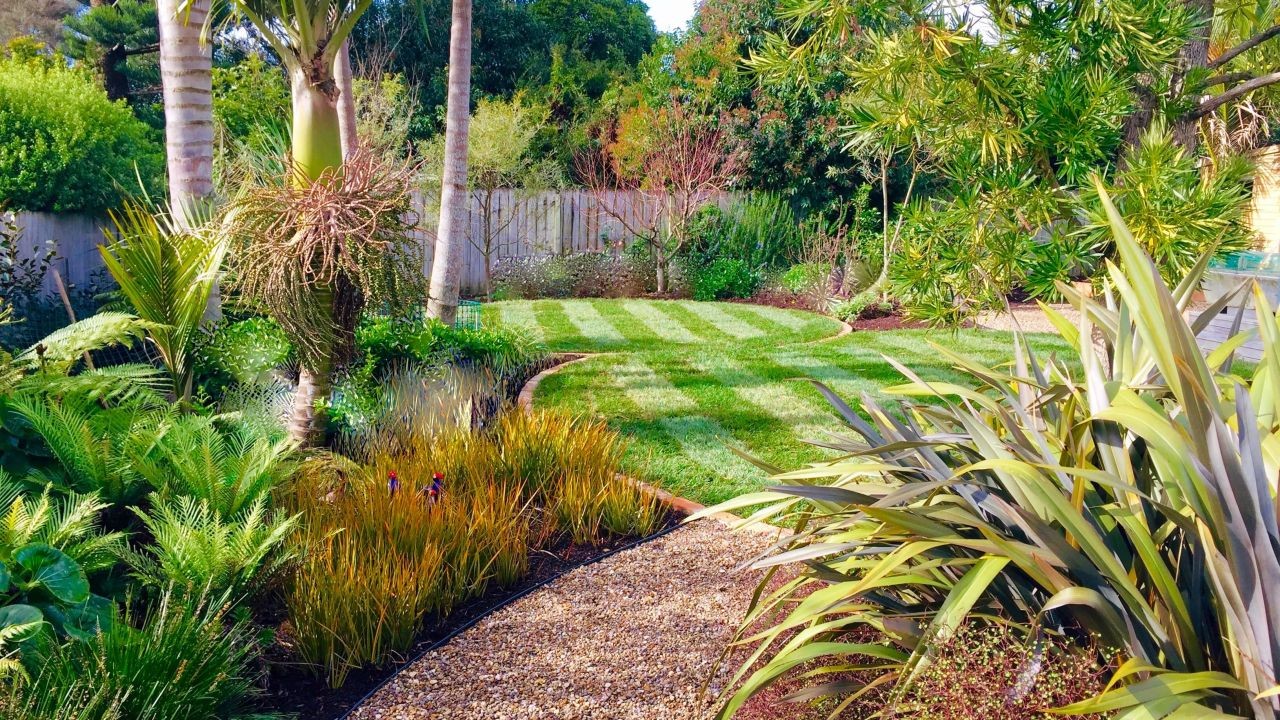
In recent years, the concept of outdoor living has blossomed into more than just a trend—it's now a lifestyle choice that is reshaping how Kiwis interact with their homes and gardens. This transformation is not just an aesthetic evolution, but a reflection of New Zealand's broader economic and societal changes. With a growing emphasis on sustainability and lifestyle enhancement, the garden landscaping and outdoor living sector in New Zealand is experiencing a significant boom. This article delves into the dynamics of this burgeoning field, offering insights and inspiration for economic strategists and enthusiasts alike.
🌿 The Rise of Outdoor Living in New Zealand: A Cultural Shift
Imagine stepping into a backyard that seamlessly extends the living room, where the boundaries between indoor comfort and the natural beauty of the outdoors blur. This vision is becoming a reality for many New Zealanders. According to a 2023 report by Stats NZ, there has been a 25% increase in home renovation projects focused on outdoor spaces over the past five years. This trend is not just about aesthetics; it's about creating sustainable, enjoyable environments that enhance quality of life.
One compelling story is that of the Thompson family from Wellington, who transformed their modest backyard into a vibrant outdoor oasis. By integrating native plants, solar lighting, and sustainable materials, they not only increased the value of their home but also reduced their environmental footprint. Their journey reflects a broader national trend towards sustainable outdoor living, supported by governmental incentives such as the New Zealand Green Building Council's Homestar rating, which encourages eco-friendly home improvements.
🔍 Pros and Cons of Garden Landscaping and Outdoor Living
As with any significant investment, there are pros and cons to consider when embarking on garden landscaping and outdoor living projects.
✅ Pros:
- Increased Property Value: Well-designed outdoor spaces can boost property values by up to 15%, as reported by the Real Estate Institute of New Zealand.
- Environmental Benefits: Incorporating native plants and sustainable materials reduces water usage and supports local wildlife.
- Enhanced Lifestyle: Outdoor living spaces encourage physical activity and social interactions, contributing to better mental health and well-being.
- Energy Efficiency: Features like pergolas and shade structures can lower cooling costs by providing natural shade.
❌ Cons:
- Initial Costs: The upfront investment for quality landscaping and outdoor features can be significant, often requiring professional design and installation.
- Maintenance Requirements: Maintaining a lush garden requires time and effort, which can be a drawback for busy homeowners.
- Weather Dependency: Outdoor spaces are subject to New Zealand's variable weather, which can limit their usability.
- Regulatory Challenges: Compliance with local council regulations can complicate certain projects, particularly those involving structures or significant landscape alterations.
🌟 Step-by-Step Guide to Transforming Your Outdoor Space
For those ready to dive into the world of outdoor living, here’s a step-by-step guide to ensure success:
1. Define Your Vision
Begin by envisioning how you want to use your outdoor space. Are you aiming for a tranquil retreat, a vibrant entertainment area, or a sustainable garden? Your vision will guide all subsequent decisions.
2. Set a Budget
Determine how much you’re willing to invest. This will help prioritize features and materials, ensuring a balance between cost and quality.
3. Research and Plan
Research local plant species and materials that thrive in your region. Consider consulting with a landscape architect to refine your ideas and create a detailed plan.
4. Implement Sustainable Practices
Opt for sustainable materials and practices, such as rainwater harvesting, solar lighting, and composting. This not only benefits the environment but can also reduce long-term maintenance costs.
5. Execute and Enjoy
Begin the execution phase, whether through DIY efforts or by hiring professionals. Once completed, take time to enjoy your new outdoor sanctuary, mindful of the maintenance it will require.
🔮 Future Trends and Predictions in Outdoor Living
As we look to the future, several trends are poised to shape the garden landscaping and outdoor living industry in New Zealand:
- Smart Gardens: The integration of IoT devices in gardening is set to grow, allowing homeowners to monitor and manage their gardens remotely, improving efficiency and convenience.
- Increased Sustainability: With climate change impacts becoming more pronounced, there will be a stronger focus on drought-resistant plants and water conservation methods.
- Multi-Functional Spaces: Outdoor areas will increasingly serve multiple purposes, from dining and relaxation to remote working and entertainment.
- Biophilic Design: A design trend that emphasizes connection to nature, biophilic concepts will drive the development of spaces that enhance mental well-being and productivity.
- Regulatory Support: Government initiatives are expected to further promote sustainable practices, offering incentives for green building and landscaping projects.
According to a forecast by MBIE, the outdoor living market in New Zealand is expected to grow by 10% annually over the next five years, driven by these trends and an increasing consumer desire for lifestyle enhancement.
📖 Real-World Case Studies in New Zealand
Case Study: The Smith Family – Sustainable Garden Transformation
The Smith family in Christchurch embarked on a project to transform their backyard into a sustainable haven. Facing high water bills and a desire for a more eco-friendly lifestyle, they installed a rainwater harvesting system, planted drought-resistant native flora, and set up a composting system.
After a year, their water usage had decreased by 30%, and their garden became a sanctuary for local birdlife. This project exemplifies how sustainable practices can lead to significant resource savings and environmental benefits.
Case Study: Urban Green Spaces – Auckland City Council Initiative
Auckland City Council launched a project to increase green spaces within urban areas, focusing on community involvement and sustainability. By converting unused lots into community gardens, the initiative aimed to enhance urban biodiversity, reduce carbon footprints, and foster community engagement.
The project has successfully created over 50 new green spaces, demonstrating the power of community-driven environmental projects. It's an excellent model for other regions looking to balance urban development with ecological preservation.
🔍 Common Myths & Mistakes in Outdoor Living
Myth 1: Outdoor Spaces Are Only for Warm Weather
Reality: With the right design and features like fire pits and pergolas, outdoor spaces can be enjoyed year-round, even in cooler climates.
Myth 2: Native Plants Are High Maintenance
Reality: Native plants are typically more resilient and require less maintenance than exotic species, as they are adapted to the local climate and soil conditions.
Myth 3: Professional Landscaping Is Too Expensive
Reality: While the initial cost can be high, professional landscaping often adds significant value to a property and can be more cost-effective in the long run due to increased efficiency and reduced waste.
🧠 Unique Expert Insights & Industry Deep Dive
One emerging trend in New Zealand is the integration of virtual reality (VR) in landscape design. This technology allows homeowners to visualize their outdoor renovations before implementation, reducing the risk of costly mistakes and ensuring satisfaction with the final result. According to research from Massey University, the adoption of VR in landscaping projects has increased by 15% over the past year, highlighting its growing importance in the industry.
Moreover, the push towards eco-friendly solutions is leading to innovative practices such as permaculture and regenerative landscaping, which focus on creating self-sustaining ecosystems. These methods not only enhance biodiversity but also improve soil health and water management, aligning with New Zealand's commitment to environmental stewardship.
🔮 Controversial Take: Are We Overlooking the Potential of Urban Agriculture?
While much attention is given to residential outdoor spaces, the potential of urban agriculture in New Zealand remains underexplored. Urban farming can transform cityscapes into productive landscapes, addressing food security while reducing carbon footprints. Critics argue that logistical challenges and regulatory barriers hinder its widespread adoption. However, proponents believe that with the right policies and community engagement, urban agriculture could play a pivotal role in sustainable urban development.
📋 Final Takeaways
- Embrace Sustainability: Prioritize eco-friendly practices and materials to enhance both environmental impact and property value.
- Plan for All Seasons: Design outdoor spaces that can be enjoyed year-round, incorporating elements like heaters and shelters.
- Consider Professional Help: Hiring experts can lead to more effective use of space and resources, ultimately adding value to your investment.
- Stay Informed on Trends: Keep abreast of the latest innovations and regulatory changes to maximize the benefits of your outdoor projects.
As New Zealand continues to lead in sustainable living practices, the garden landscaping and outdoor living sector offers exciting opportunities for innovation and growth. By embracing these trends and insights, homeowners and businesses alike can create beautiful, functional spaces that enhance their quality of life and contribute to a greener future.
🔍 People Also Ask (FAQ)
How does outdoor living impact property values in New Zealand?
Outdoor living spaces can increase property values by up to 15%, according to the Real Estate Institute of New Zealand, due to their appeal in enhancing lifestyle and functionality.
What are the biggest misconceptions about garden landscaping?
A common myth is that native plants require high maintenance. However, they typically need less care as they are well-suited to local conditions, according to horticultural experts.
What upcoming changes in New Zealand could affect outdoor living trends?
By 2026, policy updates promoting sustainable building practices could further boost eco-friendly outdoor living designs, according to the Ministry of Business, Innovation and Employment.
🔍 Related Search Queries
- Outdoor living trends New Zealand
- Sustainable garden design NZ
- Native plants for NZ gardens
- Virtual reality in landscape design
- Urban agriculture New Zealand
- Eco-friendly outdoor furniture NZ
- Permaculture gardening NZ
- Best landscape architects NZ
- Year-round outdoor spaces NZ
- Regenerative landscaping practices
Whether you're a homeowner looking to enhance your outdoor space or a business aiming to capitalize on this growing trend, the insights and strategies outlined here provide a roadmap for success. Embrace the opportunity to transform your environment and contribute to a more sustainable future for New Zealand.
For the full context and strategies on Garden Landscaping and Outdoor Living Inspiration Videos NZ, see our main guide: Nz Diy Renovation Home Improvement Videos.
































MatthewCha
2 months ago