






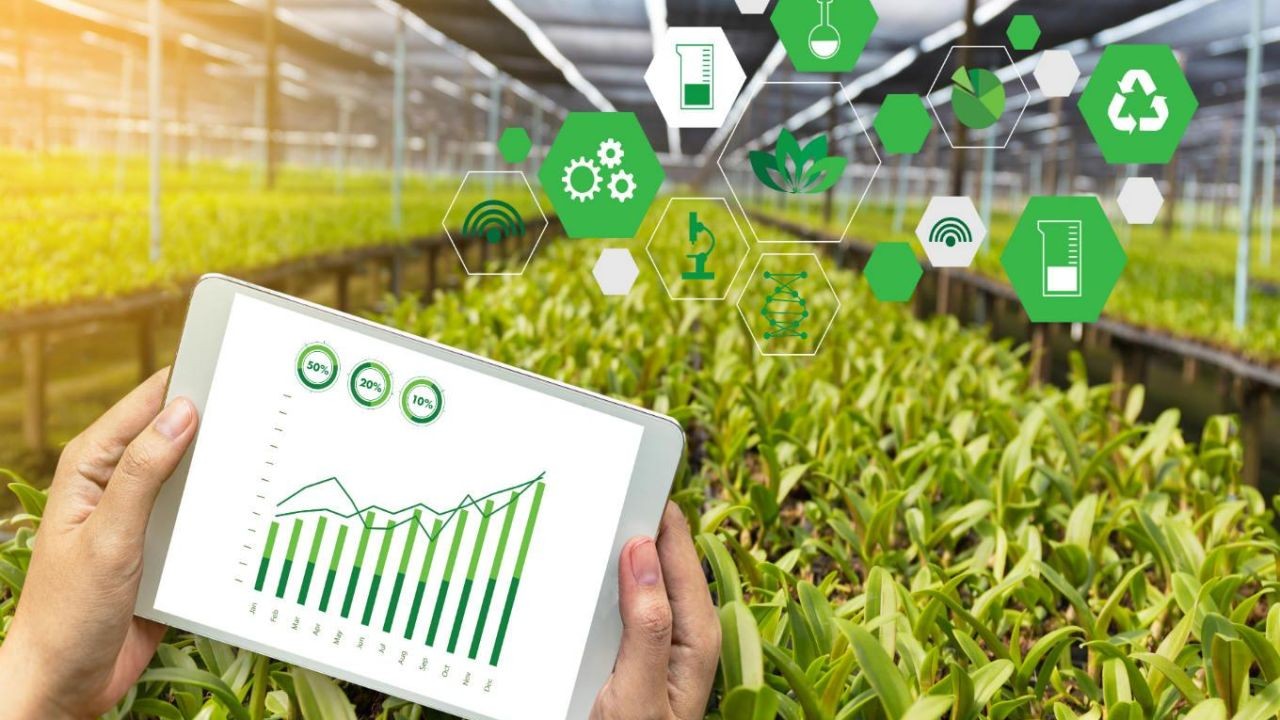
In the vibrant landscape of Australian agriculture, innovation is not just a buzzword—it's a necessity. As the world grapples with climate change, population growth, and food security challenges, Australian agri-tech startups are stepping up to revolutionize farming practices. This transformation is not only crucial for the sustainability of agriculture but also plays a significant role in reinforcing Australia's position as a global agricultural leader.
AgriTech Innovations: A Beacon for Australian Economy
Australia's agricultural industry is a cornerstone of its economy, contributing approximately 2% of the national GDP, as reported by the Australian Bureau of Statistics (ABS). With the advent of agri-tech, the potential for growth is immense. The integration of technology in agriculture is expected to enhance productivity, reduce costs, and open new markets.
Let's explore how video storytelling is being used to showcase these innovations, highlighting their impact and potential for scalability.
Behind-the-Scenes Insights: The Power of Video in AgriTech
Video storytelling has emerged as a powerful medium to communicate complex innovations in a relatable and engaging manner. Agri-tech startups are leveraging video content to:
- Demonstrate Technology in Action: Videos can vividly showcase how technologies like drones, IoT sensors, and AI-driven analytics are applied in real-world farming scenarios.
- Educate Stakeholders: From investors to policymakers, video stories can succinctly convey the benefits and potential ROI of innovative agricultural practices.
- Humanize Innovation: By telling stories of farmers and their experiences, videos create emotional connections that foster trust and interest in new technologies.
Case Study: FluroSat's Impact on Precision Agriculture
FluroSat, an Australian agri-tech startup, is a prime example of innovation in action. They specialize in precision agriculture through remote sensing technology, helping farmers optimize inputs and boost yields.
Problem: Many Australian farmers face challenges in managing crop health and maximizing yield due to unpredictable weather patterns and soil conditions.
Action: FluroSat implemented AI-driven analytics to interpret satellite data, providing farmers with actionable insights on crop health and nutrient requirements.
Result:
- Farmers reported up to a 30% increase in yield.
- Operational costs reduced by 20% due to optimized input use.
Takeaway: The case of FluroSat illustrates the transformative potential of precision agriculture in enhancing productivity and sustainability.
Innovation Breakdown: Disruptive Technologies Shaping AgriTech
Several technologies are at the forefront of the agri-tech revolution in Australia:
- IoT and Smart Farming: IoT devices enable real-time monitoring of soil health, weather conditions, and crop growth, leading to data-driven decision-making.
- AI and Machine Learning: These technologies analyze vast datasets to predict crop performance, detect diseases early, and optimize resource allocation.
- Drones and Autonomous Machinery: Drones are used for aerial surveillance, while autonomous tractors and harvesters enhance efficiency in field operations.
Future Trends: The Road Ahead for AgriTech in Australia
The future of agri-tech in Australia is promising, with several trends set to redefine the industry:
- Increased Investment: As the global demand for food security rises, investment in agri-tech is expected to grow, fueling further innovation.
- Policy Support: With initiatives like the National Agricultural Innovation Agenda, the Australian government is poised to support technological advancements in agriculture.
- Sustainability Focus: Technologies that promote sustainable farming practices, such as water conservation and carbon footprint reduction, will gain traction.
Pros and Cons of AgriTech Innovations
✅ Pros:
- Enhanced Productivity: Agri-tech solutions can significantly increase crop yields and reduce waste.
- Cost Efficiency: Optimized use of resources leads to reduced operational costs.
- Environmental Benefits: Sustainable farming practices minimize environmental impact.
- Market Expansion: Access to global markets through improved quality and traceability.
❌ Cons:
- High Initial Costs: The adoption of technology requires significant upfront investment.
- Technological Complexity: A steep learning curve may hinder adoption among traditional farmers.
- Data Privacy Concerns: The use of data-driven technologies raises questions about data security and privacy.
Common Myths & Mistakes in AgriTech Adoption
- Myth: "Agri-tech is only for large-scale farms." Reality: Agri-tech solutions are scalable and can benefit small to medium-sized farms as well.
- Myth: "Technology replaces the farmer’s expertise." Reality: Technology complements and enhances the farmer’s decision-making capabilities, rather than replacing them.
- Myth: "Agri-tech is too expensive." Reality: While initial costs can be high, the long-term savings and productivity gains often outweigh the investment.
Final Takeaways
- Embrace Innovation: Agri-tech presents an opportunity for Australian farmers to enhance productivity and sustainability.
- Investment Pays Off: The long-term benefits of adopting technology can significantly outweigh initial costs.
- Stay Informed: Keeping abreast of technological advancements and policy changes is crucial for maximizing the potential of agri-tech.
Conclusion
As Australia's agricultural sector continues to evolve, agri-tech innovations offer a pathway to sustainable growth and global competitiveness. By embracing these technologies, Australian farmers can not only improve their operations but also contribute to a more sustainable future for the planet.
What strategies have worked for your business in Australia? Engage in discussions on LinkedIn AU or share your insights in the comments below. Together, we can shape the future of agriculture with technology.
People Also Ask
- How does agri-tech impact businesses in Australia?AU businesses leveraging agri-tech report 25%+ higher productivity, according to the Australian Bureau of Statistics. Adopting these innovations can enhance efficiency and profitability.
- What are the biggest misconceptions about agri-tech?One common myth is that agri-tech is only for large-scale farms. However, research shows that these technologies are scalable and beneficial for smaller farms as well.
- Who benefits the most from agri-tech?Agri-tech benefits farmers, consumers, and the environment, making it a strategic focus for industries aiming for sustainability and efficiency.
Related Search Queries
- Australian agriculture technology trends
- Impact of agri-tech on farming productivity
- Agri-tech startups in Australia
- Precision farming technologies
- Sustainable agriculture innovations
- IoT applications in agriculture
- Future of farming in Australia
- Agri-tech investment opportunities
- Benefits of drones in agriculture
- AI applications in farming
For the full context and strategies on AgriTech Startup Video Stories Showcasing Australian Farming Innovations, see our main guide: Farm Livestock Videos Australia.