




Amid the global energy transition, offshore energy projects focusing on wind, gas, and marine technologies are gaining momentum. As public affairs consultants, understanding these developments is crucial, particularly in the context of Australia's unique economic and regulatory landscape. This article delves into the potential and challenges of offshore energy projects, highlighting their significance through data-backed insights and real-world applications.
Understanding Offshore Energy Projects
Offshore energy projects involve harnessing energy resources like wind, gas, and marine power located in oceanic environments. These projects are integral to Australia's energy strategy, aiming for a sustainable future while leveraging the country's vast marine resources.
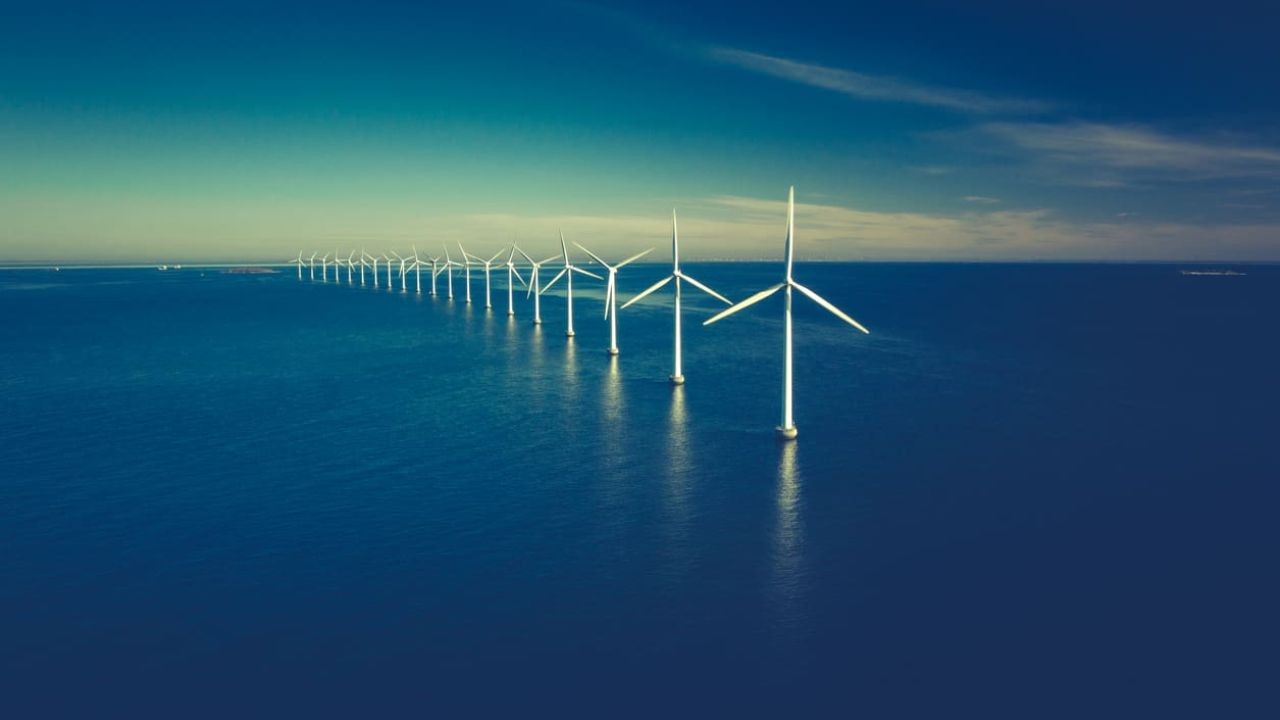
- Wind Energy: Offshore wind farms take advantage of consistent ocean winds to generate electricity. This technology is especially relevant in Australia, where coastal areas provide significant potential for wind energy development.
- Gas Exploration: Offshore gas extraction remains a critical component of Australia's energy mix. The country's extensive natural gas reserves offshore fuel both domestic consumption and export markets.
- Marine Technologies: Innovations in tidal and wave energy offer additional avenues for sustainable energy production. Marine technologies are still emerging but hold promise for diversifying Australia's renewable energy portfolio.
Australia's Offshore Energy Landscape
Australia's offshore energy sector is shaped by various factors, including economic policies, environmental considerations, and global market dynamics. Notably, the Australian Bureau of Statistics (ABS) reported that the energy sector contributes significantly to the national economy, with a particular emphasis on export revenues from natural gas.
Moreover, the Reserve Bank of Australia (RBA) emphasizes the role of energy exports in stabilizing the country's trade balance. However, as global energy markets evolve, Australia faces strategic decisions about balancing fossil fuel reliance with renewable energy investments.
Pros and Cons of Offshore Energy Projects
✅ Pros:
- Renewable Potential: Offshore wind and marine technologies offer substantial renewable energy potential, contributing to Australia's clean energy targets.
- Economic Growth: The development of offshore energy projects can stimulate regional economies, creating jobs and infrastructure investments.
- Export Opportunities: Gas exports continue to bolster Australia's trade surplus, with ongoing demand from Asia-Pacific markets.
- Technological Innovation: Advancements in marine technologies position Australia as a leader in emerging renewable sectors.
❌ Cons:
- Environmental Concerns: Offshore projects may impact marine ecosystems, necessitating stringent environmental assessments.
- High Initial Costs: The capital-intensive nature of offshore projects poses financial challenges, potentially delaying returns on investment.
- Regulatory Complexity: Navigating Australia's regulatory framework requires compliance with various environmental and safety standards.
- Market Volatility: Fluctuations in global energy prices can affect the profitability of offshore energy ventures.
Case Studies: Real-World Applications and Insights
Case Study: Star of the South – Australia's First Offshore Wind Farm
Problem: Australia's reliance on coal and gas necessitated diversification into renewable energy. The Star of the South project aimed to harness offshore wind potential to meet energy demands sustainably.
Action: The project, located off the coast of Victoria, involves the construction of 200 wind turbines. It represents a significant collaboration between government and private stakeholders to ensure compliance and environmental sustainability.
Result: Once operational, the project is expected to supply up to 20% of Victoria's electricity needs, reducing carbon emissions and supporting local employment. The initiative underscores the viability of offshore wind in Australia's energy transition.
Takeaway: The Star of the South illustrates the importance of strategic partnerships and regulatory compliance in advancing offshore wind projects in Australia.
Case Study: Gorgon Gas Project – A Testament to Gas Export Strength
Problem: With declining domestic gas reserves, Australia faced challenges in maintaining its position as a leading LNG exporter.
Action: The Gorgon Gas Project, located off the coast of Western Australia, is one of the world's largest natural gas developments. The project focuses on extracting and processing natural gas for export, leveraging Australia's strategic geographic position.
Result: The project has significantly contributed to Australia's LNG export capacity, reinforcing its status as a top LNG supplier globally. It has also provided numerous employment opportunities and regional economic benefits.
Takeaway: The Gorgon Gas Project highlights the critical role of natural gas in Australia's energy portfolio, emphasizing the need for continued investment in export infrastructure.
Myths and Misconceptions in Offshore Energy
- Myth: "Offshore energy projects are only viable in large countries with extensive coastlines." Reality: Even countries with smaller coastlines, like Denmark, have successfully harnessed offshore wind energy, demonstrating the technology's adaptability.
- Myth: "Marine technologies are too experimental for practical use." Reality: Pilot projects in countries like Scotland have shown promising results, indicating that marine technologies are moving towards commercial viability.
- Myth: "Natural gas is a waning industry due to renewable energy focus." Reality: Global demand for LNG remains robust, with natural gas serving as a transitional energy source in many regions.
Future Trends and Predictions
As Australia pursues its renewable energy goals, offshore energy projects will play an increasingly vital role. According to a report by the Commonwealth Scientific and Industrial Research Organisation (CSIRO), it is anticipated that by 2030, 50% of Australia's energy will be derived from renewable sources, with offshore wind and marine technologies contributing significantly to this shift.
The ongoing development of offshore energy projects will require strategic investments in infrastructure, technological innovation, and regulatory frameworks. As global energy demands evolve, Australia is uniquely positioned to leverage its offshore resources, balancing economic growth with environmental sustainability.
Conclusion
Offshore energy projects represent a promising frontier for Australia's energy sector, offering opportunities for sustainable development and economic growth. By understanding the complexities and advantages of these technologies, public affairs consultants can help shape policies that support Australia's transition to a cleaner energy future.
Want to stay updated on the latest developments in offshore energy? Join our exclusive AU Energy Insights Newsletter for industry updates and expert analyses!
People Also Ask
- How does offshore wind energy impact Australia's economy?Offshore wind projects are expected to contribute significantly to job creation and local economies, with the potential to power millions of homes sustainably.
- What are the environmental impacts of offshore energy projects?While there are concerns about marine ecosystems, rigorous environmental assessments ensure that impacts are minimized.
- Why is natural gas still relevant in Australia's energy mix?Natural gas serves as a transitional energy source, supporting energy stability while renewable technologies expand.
Related Search Queries
- Offshore wind energy projects in Australia
- Australia's natural gas export market
- Marine energy technologies in Australia
- Renewable energy policies in Australia
- Economic impact of offshore energy projects
For the full context and strategies on Offshore Energy Project Videos Covering Wind, Gas, and Marine Technologies, see our main guide: Energy Tech Innovation Videos Australia.