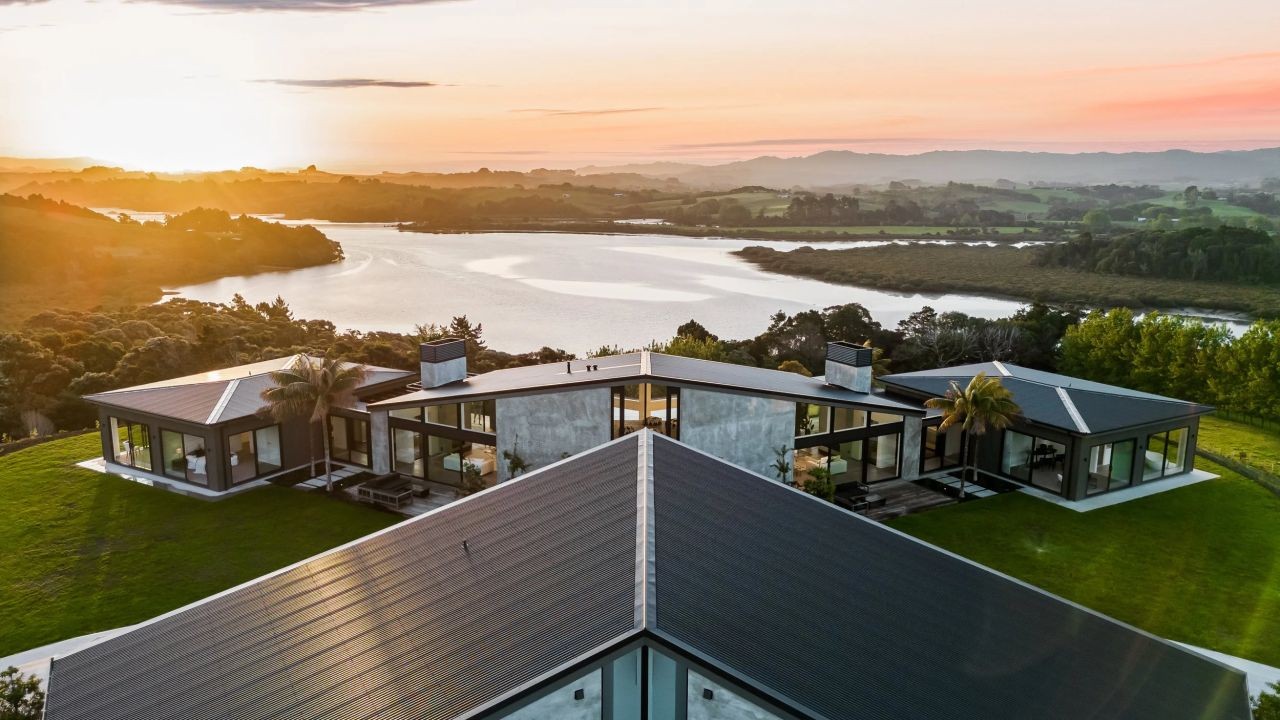





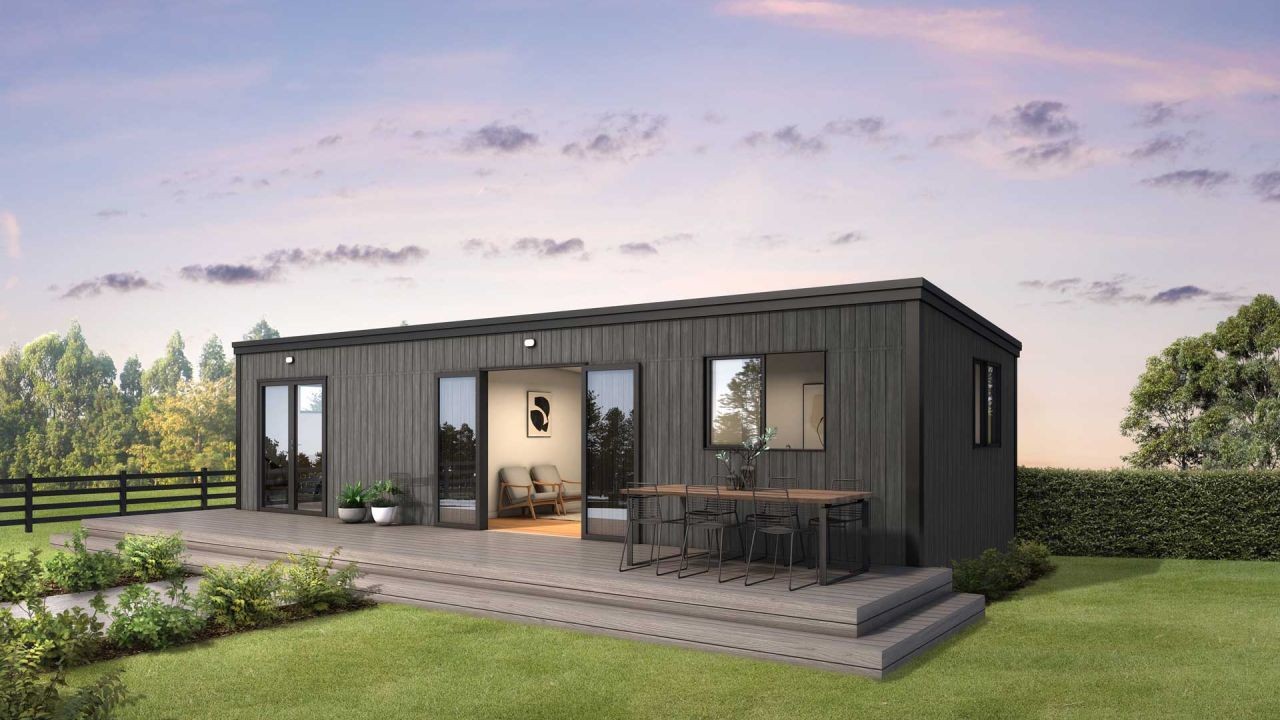
The tiny home movement, once a niche lifestyle choice, has evolved into a significant and complex segment of New Zealand's property and investment landscape. For the corporate lawyer, developer, or sophisticated investor, this shift presents not merely a cultural curiosity but a matrix of legal, financial, and strategic considerations. The romantic ideal of minimalist living collides directly with a rigid regulatory framework, creating both substantial risks and unique opportunities. Navigating this terrain requires moving beyond surface-level appeal to a forensic understanding of district plans, financing structures, and the evolving definition of "home" within New Zealand's Resource Management Act (RMA) and Building Act. This analysis will dissect the legal labyrinth, evaluate the genuine investment thesis, and provide a structured framework for assessing viability in the Aotearoa context.
The Regulatory Labyrinth: Zoning, Consents, and the Definition of a Dwelling
At its core, the primary legal challenge for tiny homes in New Zealand is their frequent non-compliance with existing regulatory definitions. The Building Act 2004 and the RMA 1991 were not drafted with sub-40 square metre movable dwellings in mind. Consequently, a tiny home often falls into a grey area between a building and a vehicle, triggering a cascade of compliance requirements.
The most critical determinant is whether the structure is classified as a building or a vehicle. A building, as defined under the Building Act, requires a building consent for construction and must comply with the New Zealand Building Code (NZBC), including clauses for durability, insulation, moisture ingress, and accessibility. A tiny home on a fixed foundation will almost always be considered a building. A tiny home on wheels presents a more complex picture; if intended for long-term, permanent habitation, councils increasingly view it as a building, irrespective of its mobility. The critical test is intent of use.
From consulting with local businesses in New Zealand, I've observed a common and costly pitfall: assuming that because a structure is on wheels, it bypasses the Building Act. One Canterbury-based developer faced enforcement action after placing multiple wheeled tiny homes on rural lots, only to be informed by the district council that they constituted unconsented residential buildings, as they were connected to permanent wastewater systems and occupied year-round.
District Plan Dictates: No National Uniformity
There is no single "tiny home rule" in New Zealand. Permissibility is dictated by each of the 67 territorial authorities' District Plans. Key zones to scrutinize include:
- Residential Zones: Most urban residential zones have minimum dwelling size requirements (often 30-40m²), maximum height restrictions, and density rules (Minimum Lot Size per Dwelling). A tiny home may breach these standards, requiring a resource consent—a non-notified process if minor, but a publicly notified one if deemed a significant departure from the plan.
- Rural Zones: Often more flexible, but may have rules against additional dwellings (second or minor dwellings) unless for a dependent relative or linked to primary rural activity. Rules around "temporary dwellings" or "sleepouts" may be leveraged, but these typically restrict permanent, year-round occupation.
- Special Purpose Zones: Some progressive councils, like Kāpiti Coast District Council, have pioneered specific "Mobile Home and Tiny House" provisions, creating a clearer pathway within designated areas.
Actionable Insight for NZ Practitioners: Before any site acquisition or development, commission a detailed Planning Due Diligence Report from a registered planner. This report must cross-reference the proposed tiny home's specifications (size, mobility, services) against the relevant District Plan's objectives, rules, and definitions for "dwelling," "minor dwelling," "movable dwelling," and "temporary accommodation."
Investment Potential: Deconstructing the Financial Model
The investment narrative for tiny homes hinges on affordability and housing diversification. With the national median house price remaining persistently high relative to income—Stats NZ data for Q4 2024 shows a median price of $780,000, with a house price-to-income ratio of 6.8—the tiny home proposition as a lower-cost entry point is compelling. However, the financial model is fragile and highly sensitive to hidden costs.
Pros of Tiny Home Investment
- Lower Capital Outlay: Construction costs per unit are significantly lower than for a standard dwelling, potentially allowing for portfolio diversification.
- Rental Yield Potential: When legally established, a tiny home on an existing property (as a minor dwelling) can generate attractive rental income. In major centres, a consented, self-contained tiny home can command $300-$500 per week.
- Alternative Asset Class: Attracts a growing demographic of tenants and buyers prioritising sustainability, low maintenance, and financial freedom over space.
- Land Utilisation: Can make productive use of under-utilised land (e.g., large rear sections) where subdivision is not feasible or economical.
Cons and Critical Risks
- Consent and Compliance Costs: Engineering plans, resource consent applications, building consent fees, and inspections can add $20,000-$50,000+ to a project, eroding the perceived cost advantage. A 2023 report by BRANZ highlighted that compliance costs for small buildings are disproportionately high per square metre.
- Financing Hurdles: Major banks are notoriously cautious. They often view tiny homes on wheels as chattels (personal property), not real estate, requiring higher-deposit personal loans rather than lower-interest mortgages. For fixed tiny homes, banks may still apply restrictive loan-to-value ratios due to perceived marketability risks.
- Illiquidity and Marketability: The resale market is nascent. Valuations are challenging, and the pool of potential buyers is smaller, potentially leading to longer sale periods and price discounts.
- Infrastructure Costs: Connecting to council water, wastewater, and stormwater networks (if required) can be prohibitively expensive, especially in rural areas. Off-grid systems (solar, composting toilets) represent a significant upfront capital cost.
Drawing on my experience in the NZ market, the most successful investment models I've seen involve developers integrating a limited number of high-spec, fully consented tiny homes as minor dwellings within a larger, conventional subdivision. This mitigates risk by not having the entire project's viability depend on the tiny home model and leverages shared infrastructure costs.
Case Study: The Rise and Regulatory Reckoning of a Tiny Home Village
Case Study: A North Island Tiny Home Village – Navigating the Consent Cliff
Problem: A private landowner in a scenic coastal zone outside a major city established a community of 15 high-quality tiny homes on wheels, marketed as a permanent residential village. The venture filled rapidly, addressing acute local housing need. The operator assumed that because each unit was certified as self-contained under the NZS 5465:2001 standard for caravans and each paid a separate utility fee, they complied with regulations. The district council received complaints regarding density and character.
Action: The council investigated and issued abatement notices, declaring the village an unlawful residential development. It argued the homes were buildings under the Act, as they were not truly mobile (once placed, they were not moved), were connected to a communal wastewater system, and formed a de facto subdivision without consent. The operator was forced to apply for retrospective resource consent for a "Non-Complying Activity."
Result: The consent process took 14 months and cost over $120,000 in planning, legal, and engineering fees. The council granted consent but imposed 35 conditions, including:
- Reducing the number of dwellings to 10.
- Contributing a financial development contribution of $15,000 per unit for infrastructure.
- Establishing a legal encumbrance on the title limiting occupancy to the consented units.
The operator's projected ROI was drastically reduced, and the case created significant uncertainty for residents.
Takeaway: This real-world example underscores that good intentions and market demand do not override planning law. Proactive engagement with the council before any development is non-negotiable. The case also highlights the emerging trend of councils using development contributions to capture infrastructure costs from these novel housing forms.
Debunking Common Myths in the NZ Tiny Home Space
Myth 1: "If it's on wheels, it's a vehicle and doesn't need building consent." Reality: As the case study above shows, the determining factor is the intent and nature of use. If a wheeled tiny home is placed on a site for long-term, permanent living, most councils will deem it a building. The wheels may be irrelevant if it's not regularly moved.
Myth 2: "Tiny homes are a cheap and easy solution to the housing crisis." Reality: While lower-cost in materials, the total delivered cost—including land, consents, siteworks, and utilities—is often far higher than anticipated. They are a component of a diversified housing strategy, not a silver bullet. The MBIE-led Urban Development Act 2020 aims to enable more density, but its success for models like tiny homes depends on specific council implementation.
Myth 3: "I can put a tiny home in my backyard as of right." Reality: Most District Plans have strict rules governing "minor dwellings" or "secondary units." These often require that the primary house be of a minimum size, that the minor dwelling not exceed a certain floor area (e.g., 60m²), and that it be used in conjunction with the main house (e.g., for family). Renting it out independently may require a resource consent.
The Future Landscape: Policy Shifts and Strategic Predictions
The legal and investment environment for tiny homes is not static. Several converging trends will shape its future in New Zealand:
- National Policy Statement on Housing and Urban Development (NPS-HUD): This directive pressures councils to enable greater housing density and diversity. Forward-thinking councils may amend their District Plans to provide clearer, more permissive rules for tiny homes as a form of "missing middle" housing, particularly around enabling more minor dwellings.
- Innovation in Financing: Specialist non-bank lenders are beginning to fill the void left by major banks, offering products tailored to tiny homes. We may also see the rise of "build-to-rent" tiny home portfolios funded by institutional investors seeking alternative yield.
- Standardisation and Certification: There is a growing call for a specific NZ standard for tiny homes, separate from caravan or building codes, which would provide manufacturers, councils, and financiers with a consistent benchmark for safety and quality, streamlining consenting.
Bold Prediction: By 2028, I anticipate that at least five major territorial authorities will have enacted specific "Tiny House" zones or clear provisions within their District Plans, moving them from a regulatory grey area into a defined and investable asset class. However, this will come with stringent design and sustainability criteria.
Final Takeaways and Strategic Call to Action
For the legal or investment professional, the tiny home sector demands a disciplined, risk-aware approach. The allure of simplicity is a mirage; the reality is complexity.
- Fact: Legal compliance is the single greatest determinant of financial success or failure in tiny home projects.
- Strategy: Treat due diligence as your primary investment. Engage a planning consultant and lawyer before committing to land or design.
- Mistake to Avoid: Do not rely on anecdotal advice or the experience of owners in different council regions. District Plans are hyper-local.
- Pro Tip: For developers, consider a "phased consenting" strategy. Seek resource consent for a concept that includes the potential for minor dwellings, then obtain building consents in stages as the market responds.
The tiny home movement in New Zealand is maturing from a fringe trend into a legitimate, though complex, housing and investment option. Its long-term viability will be forged not by minimalist aesthetics, but by rigorous legal structuring, financial realism, and proactive engagement with a rapidly evolving policy environment. For those willing to navigate this intricate landscape with eyes wide open, the potential is significant—but it is a path for the strategic, not the speculative.
People Also Ask (PAA)
Can I legally live in a tiny home full-time in New Zealand? Yes, but only if it complies with the Building Act (if a building) and your district's planning rules. A fully consented tiny home on land where residential use is permitted and all standards are met is legal for permanent occupation.
What is the biggest legal mistake people make with tiny homes? Assuming mobility (wheels) automatically exempts the structure from building consent requirements. Councils assess the intended use; permanent habitation typically triggers the need for full building and possibly resource consent.
Are banks in New Zealand lending for tiny homes? Financing remains a challenge. For tiny homes on wheels, banks typically offer personal loans (higher interest). For fixed foundations, some may offer mortgages but with stricter criteria, lower valuations, and higher deposit requirements. Non-bank lenders are becoming active in this space.
Related Search Queries
- tiny house NZ building consent cost
- district plans New Zealand minor dwelling rules
- off-grid tiny home legal requirements NZ
- financing a tiny home New Zealand banks
- tiny home village resource consent case study
- NZ Building Code compliance for small dwellings
- rental yield tiny house vs traditional apartment
- future of tiny homes NZ 2025 policy changes
For the full context and strategies on Tiny Homes in New Zealand: Legal Requirements and Investment Potential, see our main guide: New Zealand Retail Ecommerce.