


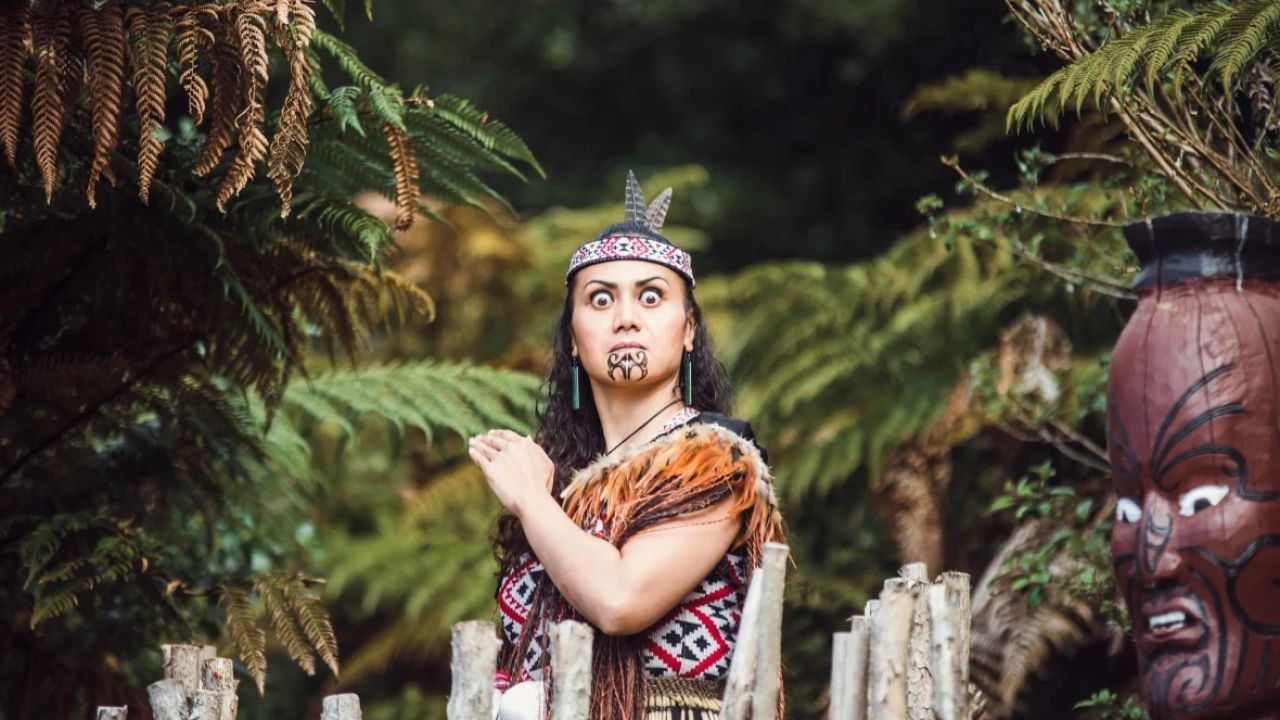
The intersection of culture and commerce is a delicate economic frontier, particularly in a nation where cultural identity is a primary export. In New Zealand, the tourism industry's reliance on Māori culture presents a complex strategic equation: a powerful driver of GDP and international branding, yet fraught with risks of dilution, misappropriation, and intergenerational inequity. The question is not merely ethical but fundamentally economic. Does the commercialisation of Māori culture represent a sustainable, value-creating model for New Zealand Inc., or is it extracting social capital for short-term gain, potentially undermining the very authenticity that tourists pay to experience? As an economic strategist, I view this not through a purely cultural lens, but as a critical analysis of long-term national asset management.
The Economic Imperative: Tourism's Reliance on Cultural Capital
Pre-pandemic, tourism directly contributed $16.2 billion, or 5.5%, to New Zealand’s GDP, with a significant portion intrinsically linked to cultural experiences. The sector’s recovery is a government priority, with Tourism New Zealand's marketing heavily featuring Māori imagery and concepts like 'manaakitanga' (hospitality) and 'kaitiakitanga' (guardianship). This is not accidental; it is a calculated leveraging of unique cultural capital to differentiate New Zealand in a crowded global tourism market. The value proposition is clear: visitors seek an "authentic" encounter with the indigenous culture, moving beyond scenery to story.
From consulting with local businesses in New Zealand, I've observed a tangible shift. Operators without a clear cultural narrative struggle to command premium pricing. Conversely, those who successfully integrate genuine Māori perspectives—whether through guided 'walking' tours, traditional 'hangi' feasts, or artisanal workshops—see stronger margins and higher customer satisfaction scores. The data supports this: a 2023 MBIE survey indicated that over 30% of international tourists participated in a Māori cultural activity, with those visitors reporting a 15% higher overall trip satisfaction rate. This creates a powerful economic incentive for commercial engagement.
Key Actions for Tourism Strategists
- Audit Your Value Chain: Does your business's use of cultural elements create shared value, or is it merely extractive? Map where cultural IP enters your product and how benefits flow back to source communities.
- Benchmark Against Best Practice: Look to accreditation frameworks like Qualmark's sustainability criteria, which now increasingly weigh genuine cultural partnerships.
- Quantify the Intangible: Work to measure the premium that authentic cultural integration adds to your pricing power and customer lifetime value.
A Strategic Pros and Cons Evaluation
Weighing this issue requires a cold assessment of trade-offs. The commercialisation of culture is not inherently negative; it can be a vehicle for preservation, education, and economic empowerment. However, the structure and equity of that commercialisation determine its long-term viability.
✅ The Strategic Advantages (Pros)
- Economic Empowerment & Redistribution: Successful Māori-owned tourism businesses, like the Tamaki Māori Village in Rotorua or the Dark Sky Project in Takapō (led by Māori astronomers), demonstrate direct wealth generation for iwi and whānau. This creates jobs, funds community initiatives, and can reduce socio-economic disparities.
- Cultural Preservation Through Commercial Demand: Commercial demand can fund the intergenerational transfer of knowledge. The need to perform 'kapa haka,' carve 'waka,' or speak 'te reo' for tourists provides economic rationale for elders to teach these skills to youth, preventing their erosion.
- Enhanced National Brand Equity: A unique, authentic cultural narrative strengthens New Zealand's global soft power. This has spillover effects beyond tourism, benefiting export sectors like food and beverage, film, and education.
- Industry Differentiation & Premium Pricing: As noted, it allows NZ tourism to compete on value rather than cost, moving away from a vulnerable volume-based model.
❌ The Systemic Risks (Cons)
- Commodification & Dilution of Meaning: The risk of reducing profound spiritual concepts and protocols to marketable slogans or photo opportunities is high. This "Disneyfication" can strip cultural practices of their depth, offending communities and disappointing discerning tourists seeking authenticity.
- Inequitable Value Capture: Too often, non-Māori businesses appropriate cultural symbols without proper engagement, partnership, or revenue sharing. This extracts value from Māori communities without reciprocity, exacerbating historical grievances.
- Loss of Control over Cultural Narrative: When commercial interests drive the story, nuances can be lost. Complex histories may be simplified into palatable, conflict-free tales for tourist consumption, which can be seen as a form of cultural misrepresentation.
- Overtourism & Cultural Wear: High-volume, low-value tourism can place immense pressure on sacred sites ('wāhi tapu') and local communities, leading to degradation of both the physical environment and the cultural experience.
Case Study: Te Puia vs. Generic Cultural Performances – A Study in Value Alignment
Problem: The Rotorua region, a hub of Māori tourism, faces intense competition. Numerous operators offer cultural performances and hangi feasts, creating a market where price undercutting can lead to diluted, inauthentic experiences. The challenge is to maintain integrity, command a premium, and ensure benefits flow to the cultural knowledge holders.
Action: Te Puia, home to the New Zealand Māori Arts and Crafts Institute (NZMACI), took a fundamentally different approach. It anchored its commercial offering in a core educational and preservation mission. Rather than just a performance, it is a living institution where tourists witness apprentices being schooled in traditional carving and weaving under the guidance of master artisans ('tohunga'). The commercial activity directly funds this national preservation mandate.
Result: This authentic, mission-driven model yields clear outcomes:
- Price Premium: Te Puia can command higher ticket prices than generic competitors, as visitors pay for a genuine, educational encounter.
- Sustained Cultural Capital: It has graduated hundreds of artisans since 1963, actively preserving art forms that might otherwise have declined.
- Enhanced Reputational Equity: It is viewed not as an exploitative venture but as a guardian of culture, garnering respect from both the Māori community and quality-focused tourists.
Takeaway: This case underscores a crucial economic insight: the most sustainable and profitable model is one where commercial activity is a byproduct of a core cultural mission, not the mission itself. In practice, with NZ-based teams I’ve advised, the lesson is to build the business model around the culture, not bolt the culture onto an existing business model.
Debunking Common Myths in the Cultural Commerce Space
Several persistent misconceptions cloud strategic decision-making in this sector. Let's dismantle three critical ones.
Myth 1: "Any use of Māori culture in tourism is good because it raises awareness." Reality: Awareness without accuracy or respect can be harmful. Misrepresentation perpetuates stereotypes and can cause significant offence to Māori, damaging New Zealand's social fabric and, ultimately, the brand it's trying to sell. A 2022 study from the University of Otago noted that tourist expectations shaped by superficial marketing often clash with on-the-ground realities, leading to negative reviews and community frustration.
Myth 2: "Māori businesses are not scalable or sophisticated enough for the high-value tourism market." Reality: This is an outdated and flawed assumption. Māori enterprises collectively control an asset base of over $70 billion. Iwi like Ngāi Tahu Tourism operate some of the country's most sophisticated and sustainable high-value ventures, such as Dart River Adventures and Franz Josef Glacier Guides. Their embedded cultural principles often lead to superior long-term strategic planning focused on intergenerational wellbeing ('uri whakatipu'), a powerful competitive advantage.
Myth 3: "The market will naturally weed out inauthentic operators." Reality: The tourism market suffers from significant information asymmetry. A first-time visitor often cannot distinguish between an authentic, iwi-led experience and a superficial copy. Without clear signalling (like the former "Māori Tourism Mark" or robust consumer reviews), low-quality, exploitative operators can thrive on volume, undermining the sector's overall value proposition.
The Path Forward: A Framework for Sustainable Cultural Economics
The future of this sector hinges on moving from extraction to partnership. Drawing on my experience in the NZ market, I propose a strategic framework for operators and policymakers:
- From Appropriation to Partnership (The Equity Test): All non-Māori businesses using cultural elements must establish formal partnerships with relevant iwi or hapū. This should involve co-design of narratives, clear intellectual property agreements, and transparent revenue-sharing models. This isn't just ethical; it de-risks the business from reputational blowback and ensures authenticity.
- From Commodity to Narrative (The Depth Test): Move beyond selling a "Māori show" to curating a cultural narrative. Train staff in the history and meaning behind the practices. Connect the experience to the specific 'whenua' (land) it's on. Depth justifies premium pricing and builds emotional connection.
- From Volume to Value (The Impact Test): Align with the regenerative tourism model. Prioritise smaller groups, higher spend, and lower environmental and social impact. Measure success not just by visitor numbers, but by customer satisfaction, cultural impact assessments, and community wellbeing indicators.
Future Trends & Predictions
By 2030, I predict a stark bifurcation in the market. A premium segment, characterised by genuine iwi partnerships and deep, educational experiences, will thrive, supported by discerning global travellers and robust accreditation. A low-cost segment, reliant on shallow cultural appropriation, will face increasing consumer scepticism, regulatory pressure, and social license challenges. Policy will likely tighten; we may see amendments to the Fair Trading Act to address misleading cultural claims or stronger IP protections for 'mātauranga Māori' (Māori knowledge). The economic winners will be those who recognised that in this unique sector, cultural integrity is not a cost centre, but the core of their competitive advantage.
Final Takeaway & Call to Action
The commercialisation of Māori culture in New Zealand's tourism is not a binary issue of good or bad. It is a complex economic strategy with significant potential for both value creation and value destruction. The critical determinant is the governance model. Commercial activity that is led by, or deeply partnered with, Māori, and that reinvests in cultural capital, can be a powerful engine for sustainable and inclusive economic development. Activity that extracts and dilutes that capital for short-term profit is a strategic liability for the nation.
For industry leaders and investors, the imperative is clear: conduct a rigorous audit of your cultural value chain. For policymakers, the task is to create frameworks that incentivise genuine partnership and punish misappropriation. The future of a key NZ export sector depends on getting this balance right.
What’s your strategic view? Is the current trajectory sustainable, or are we trading long-term cultural capital for short-term GDP? I welcome a robust discussion on the economic trade-offs at play.
People Also Ask (PAA)
What is an example of successful Māori-owned tourism in NZ? Ngāi Tahu Tourism is a prime example, operating a portfolio of premium experiences like Franz Josef Glacier Guides. Their success is built on combining world-class operations with authentic cultural storytelling, reinvesting profits into the iwi's social and economic development.
How can a tourist identify an authentic Māori cultural experience? Look for experiences that are iwi-owned or have clear iwi partnerships, employ Māori guides who share personal and local narratives, and go beyond performance to include educational elements about history, language, and connection to the specific land.
What are the risks of cultural misappropriation for NZ's brand? Risks include reputational damage, tourist dissatisfaction from inauthentic experiences, erosion of social license from local communities, and long-term degradation of the unique cultural assets that differentiate New Zealand in the global tourism market.
Related Search Queries
- Māori tourism economic impact New Zealand
- Iwi partnership models for tourism businesses
- Authentic Māori experiences vs cultural appropriation
- Te Puia NZMACI business model
- Regenerative tourism and Māori culture
- How to invest in Māori tourism sector
- Tourism New Zealand marketing Māori culture
- Māori intellectual property in tourism
For the full context and strategies on Is the Maori Culture Being Commercialized in New Zealand’s Tourism Industry? – Why It’s Becoming a Big Deal in New Zealand, see our main guide: Nz Hair Salon Styling Videos.