



New Zealand’s national parks are the crown jewels of our national identity, symbols of pristine wilderness and a birthright for every Kiwi. Yet, beneath the postcard-perfect imagery of crowded Milford Sound tracks and overflowing Tongariro car parks lies a troubling paradox: our profound love for these places is, in many ways, killing them. The very act of visitation, when unmanaged and driven by an outdated model of mass tourism, is inflicting a slow, cumulative toll that threatens the ecological integrity and mana of these landscapes for generations. This isn't a call to close the gates, but a critical analysis of why our current trajectory is unsustainable and how a transformative shift towards regenerative tourism isn't just an ideal—it's an urgent economic and environmental imperative for Aotearoa.
The Visitor Boom: A Double-Edged Sword for Aotearoa
Pre-pandemic, the numbers were staggering. International tourist arrivals peaked at nearly 3.9 million annually, with a significant proportion citing our national parks as a primary draw. While the pandemic provided a temporary respite, the rebound is underway, compounded by a surge in domestic exploration. Department of Conservation (DOC) data reveals that visitation to many iconic sites has consistently trended above pre-COVID levels, placing unprecedented pressure on fragile ecosystems. The economic argument for this influx is powerful; tourism contributed over $40 billion to New Zealand’s GDP pre-COVID. However, this model externalizes its true cost. From my consulting with local businesses in New Zealand’s tourism hotspots, I've observed a growing tension: operators are caught between the need for revenue and the visible degradation of the assets that attract customers. The short-term gain is increasingly shadowed by the long-term risk of asset depletion.
Comparative Analysis: Mass Tourism vs. Regenerative Stewardship
To understand the path forward, we must contrast the prevailing model with the emerging paradigm.
The Mass Tourism Model (Current Dominant Paradigm): This approach prioritizes volume. Success is measured in visitor nights and spend. Infrastructure is built for convenience and capacity—large car parks, widened tracks, and high-volume facilities. Marketing targets broad demographics, often leveraging social media to create "must-see" hotspots. The environmental cost is diffuse but severe: soil compaction, vegetation loss, water contamination from inadequate waste systems, and disturbance to native wildlife. Culturally, it can lead to the commodification of significant sites, eroding their tapu and meaning.
The Regenerative Stewardship Model (The Necessary Evolution): Here, success is measured by ecological health, cultural integrity, and quality of visitor experience. It operates on a "net-positive" principle—tourism should actively improve the place. This involves managed access, sometimes through caps or pricing, investment in robust, low-impact infrastructure, and education that transforms visitors into kaitiaki (guardians). Economically, it values yield per visitor over raw numbers, supporting higher-value, lower-volume businesses. Drawing on my experience in the NZ market, the most forward-thinking operators are already pivoting this way, not as a niche, but as their core brand promise for longevity.
The Hidden Mechanisms of Long-Term Harm
The damage from overcrowding extends far beyond visible track erosion. It's a cascade of interconnected impacts.
1. Ecological Tipping Points and the Death by a Thousand Cuts
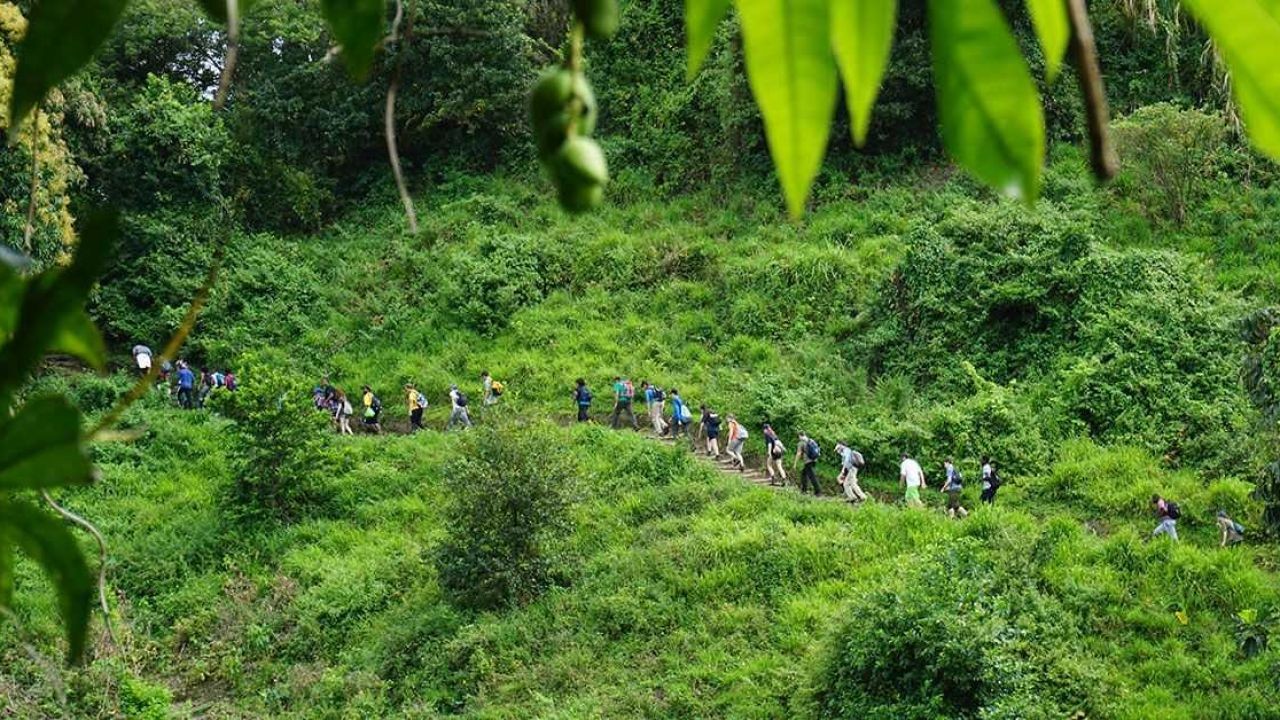
Native ecosystems in New Zealand evolved in isolation, largely without ground-dwelling mammals. They are uniquely vulnerable to trampling, nutrient loading, and introduced pests. A 2021 study by the University of Otago on the Routeburn Track documented a 40% reduction in sensitive understory plant species within five meters of the track edge, directly correlated with foot traffic. Furthermore, the movement of people inadvertently spreads invasive seeds and pathogens like kauri dieback. The problem isn't the individual hiker but the cumulative, chronic stress that pushes ecosystems past their resilience threshold.
2. Infrastructure Strain and the "Loved to Death" Phenomenon
DOC, with its limited budget, is caught in a vicious cycle. Popularity demands more toilets, more maintained tracks, and more hazard management, diverting funds from critical conservation work like predator control. In the 2022/23 financial year, DOC reported a maintenance backlog of over $1 billion for visitor assets alone. This means essential biodiversity work is sidelined to fix toilets on the Milford Track. The infrastructure itself, even when well-intentioned, can fragment habitats and alter natural hydrological patterns.
3. Cultural Erosion and the Loss of Mana
For Māori, these landscapes are whakapapa, ancestors and living entities. Sites of significance (wāhi tapu) are woven into the whenua. High-volume, low-understanding tourism can lead to disrespectful behaviour, physical damage, and a spiritual diminishment. The experience becomes a superficial scenic product, stripping the land of its narrative and deeper meaning. True partnership with mana whenua, moving beyond consultation to co-governance, is not just ethical but essential for authentic and sustainable management.
Key Action for Kiwi Advocates:
Shift your metric of advocacy. Instead of just promoting a park, promote its specific conservation story—the bird species recovering there, the pest-free initiative, the cultural narrative. Champion operators who partner with mana whenua and contribute directly to conservation. Your choice as a visitor is a vote for a particular model of tourism.
A Step-by-Step Guide Towards a Regenerative Future
Transforming our relationship with national parks requires systemic change. Here is a practical framework for stakeholders.
Step 1: Redefine Success Metrics (Policy & Industry Level)
Move beyond arrival numbers. The Tourism Industry Aotearoa and MBIE should develop and adopt a set of national "Regenerative Tourism Indicators," including ecological health indices, visitor satisfaction depth scores, carbon footprint per visitor, and percentage of revenue reinvested in conservation. Funding and marketing support should be tied to performance against these metrics.
Step 2: Implement Smart Access Management
Learning from global examples like Machu Picchu or our own Great Walks booking system, managed access is key. This isn't necessarily about raising prices to exclude, but about managing flow. Strategies include:
- Dynamic Pricing & Caps: Higher fees during peak seasons, with revenue directly funding local conservation. Caps on daily entries for sensitive areas.
- Temporal & Spatial Zoning: Promoting lesser-known parks (Whanganui, Rakiura) and shoulder-season travel to disperse pressure.
- Enhanced Digital Tools: Real-time visitor density apps, like those piloted in Fiordland, to help visitors make informed choices and reduce overcrowding.
Step 3: Mandate Visitor Education & Kaitiakitanga Induction
Every visitor, domestic and international, should receive a consistent, compelling "Tiaki Promise" induction—not as a leaflet, but as an engaging digital or in-person experience upon arrival. This frames their visit as a privilege and a responsibility. Based on my work with NZ SMEs in the eco-tourism sector, those who integrate this education into their guiding see a marked improvement in visitor behaviour and a deeper connection to their brand.
Step 4: Forge Authentic Mana Whenua Partnerships
Co-governance models, such as the Tūhoe-Te Urewera agreement, must become the standard, not the exception. This means shared decision-making on everything from infrastructure to marketing, ensuring cultural values are embedded in operations and that economic benefits flow directly to iwi.
Case Study: The Aoraki/Mount Cook National Park – A Microcosm of Challenge and Innovation
Problem: Aoraki/Mount Cook Village is a pressure point. Visitor numbers skyrocketed in the 2010s, overwhelming wastewater systems, causing traffic congestion, and leading to significant alpine erosion on popular routes like the Hooker Valley Track. The local ecosystem, home to the rare kea and fragile alpine flora, was under stress. The community faced a dilemma: protect the golden goose or watch it sicken?
Action: A collaborative group involving DOC, Tourism New Zealand, Environment Canterbury, and Ngāi Tahu initiated a multi-pronged strategy. Key actions included a major investment in a new, environmentally advanced wastewater treatment plant to protect the Tasman River, the introduction of a mandatory shuttle service during peak periods to reduce vehicle numbers, and a targeted marketing campaign promoting lesser-known tracks and the importance of the Tiaki Promise. Furthermore, Ngāi Tahu developed and now delivers immersive cultural experiences that share the deep history of the area.
Result: While visitor satisfaction remains high, the environmental pressure has begun to stabilize. The shuttle system reduced vehicle traffic in the village by over 60% during peak season. The new narrative around the park is shifting from a quick photo-op to a deeper experience of place. Critically, visitor spending has become more focused on quality interpretation and cultural offerings, supporting a more resilient local economy.
Takeaway: This case proves that managed access and a shift in narrative do not kill tourism; they transform it into a more sustainable, higher-value model. The solutions were not prohibitive but proactive, requiring cross-agency collaboration and a willingness to test new systems.
Debunking Common Myths: Separating Fear from Fact
Myth 1: "Managing access is elitist and denies Kiwis their parks." Reality: Unmanaged access is the true elitism—it privileges the able-bodied who can navigate crowded, degraded tracks and assumes a right to degrade a public asset. Smart management, like off-peak discounts for residents and investment in protecting biodiversity, ensures the parks remain healthy and accessible for all future generations. It's about stewardship, not exclusion.
Myth 2: "Tourism is clean and green—it's just people taking photos." Reality: Tourism has a massive physical footprint. Beyond erosion, it contributes to carbon emissions (transport), waste management crises in small communities, and water pollution. A 2019 Stats NZ report highlighted that tourism’s carbon emissions grew faster than the national average in the preceding decade. The "clean, green" brand is a performance that must be backed by tangible, measurable action.
Myth 3: "The market will self-correct; if it gets too damaged, people will stop coming." Reality: This is the tragedy of the commons. Ecological collapse is often non-linear and irreversible. By the time market signals (declining visitors due to poor experience) are clear, the damage to keystone species or ecosystems may be permanent. Proactive, regulation-informed management is essential to prevent crossing these irreversible thresholds.
The Controversial Take: It's Time to Radically Rethink the Great Walks
Our Great Walks are the epitome of the problem. They are marketed as wilderness experiences yet are often crowded, engineered corridors. The controversial but necessary step is to reconceive them not as tourist products but as conservation corridors with a visitor component. This would mean:
- Further reducing bunk numbers to decrease density.
- Significantly raising fees, with the surplus (beyond maintenance) funding large-scale predator control and habitat restoration in the surrounding park.
- Requiring all walkers to participate in a half-day conservation activity (e.g., seed collection, weeding) as part of their booking, physically investing their labour in the place.
This would transform the experience from consumption to contribution, aligning the activity directly with its stated conservation ethos. The backlash would be fierce, but the regenerative impact would be profound.
The Future of Aotearoa's National Parks: A Regenerative Forecast
The next decade will see a decisive pivot. We will move from passive protection to active regeneration. I predict that by 2030, the most successful tourism operators will be those who can provide auditable "conservation impact statements" alongside their itineraries. Technology like AI-powered visitor flow management and blockchain for transparent conservation funding will become standard. Policy will shift, with potential for a "Visitor Levy" that is directly and transparently ring-fenced for national park infrastructure and biodiversity, moving beyond the current, broader International Visitor Conservation and Tourism Levy (IVL) model. The parks that thrive will be those celebrated not just for their beauty, but for their demonstrable ecological and cultural health—a true reflection of the Tiaki promise in action.
Final Takeaway & Call to Action
The narrative that national parks are "loved to death" is not an inevitability; it is a choice. The choice to prioritize short-term volume over long-term vitality. The path forward is clear: embrace regenerative stewardship, empower mana whenua, and value depth over breadth. This is not a limitation on our experience of these taonga, but an elevation of it.
Your Next Step: Be a regenerative visitor. On your next park visit, choose an operator with a genuine conservation partnership. Travel off-peak. Stick to the tracks. Donate directly to a local conservation group like Forest & Bird or a specific DOC project. Advocate for policy that measures what matters—ecological health. Share the story of the park's recovery, not just its scenery. Our national parks are a reflection of our relationship with this land. Let's ensure it's a relationship of mutual care, ensuring these places pulse with life for centuries to come.
What’s your experience of crowding in our parks? Do you believe a regenerative model is feasible or idealistic? Share your insights below to continue this critical conversation.
People Also Ask (FAQ)
What is the single biggest environmental threat from park visitation in NZ? Beyond direct trampling, the fragmentation of habitat and spread of invasive pathogens like kauri dieback pose existential, irreversible threats to unique ecosystems. Visitor movement is a key vector, making biosecurity hygiene non-negotiable.
How can New Zealand afford to manage parks better with current funding constraints? The solution lies in reallocating revenue streams. A more robust, targeted visitor levy directly reinvested in conservation, coupled with public-private partnerships where tourism profits fund specific biodiversity projects, can create a sustainable financial model without over-relying on core government funding.
Are there any NZ national parks currently getting it right? Rakiura National Park on Stewart Island is a leading example. Its remote nature inherently limits numbers, and its management plan strongly emphasizes community, iwi (Rakiura Māori), and conservation integration, focusing on preserving its profound sense of solitude and its critical kiwi habitat.
Related Search Queries
- New Zealand national park overtourism solutions
- DOC conservation funding crisis New Zealand
- Impact of tourism on New Zealand native wildlife
- Great Walks New Zealand booking system managed access
- Regenerative tourism examples New Zealand
- Māori co-governance national parks New Zealand
- Kauri dieback and tourist spread prevention
- Best time to visit NZ national parks to avoid crowds
- New Zealand Tiaki Promise what is it
- Stats NZ tourism environmental impact report
For the full context and strategies on Why National Park Visitation in New Zealand Is Actually Causing Long-Term Harm – How It Could Redefine Life and Business in NZ, see our main guide: Real Estate Video Marketing Kiwi Agents.