





As a property development specialist, my world is one of blueprints, zoning laws, and market forecasts. Yet, the recent, tragic news of a fatal shooting in Auckland, preceded by a road rage incident involving gang members, serves as a stark and sobering reminder that our work does not exist in a vacuum. The environments we shape—the streets we design, the communities we build, and the public spaces we activate—are the very stages upon which the complex drama of urban life unfolds. This incident, while an extreme and violent outlier, forces a critical conversation about the intersection of urban design, social infrastructure, and community safety—a conversation central to the future of New Zealand's cities.
Beyond Bricks and Mortar: The Developer's Role in Social Fabric
For too long, a segment of the development industry has operated on a "build it and they will come" philosophy, with success measured purely in square metres, occupancy rates, and capital gains. However, the most forward-thinking developers understand that true, lasting value is created by fostering vibrant, resilient, and socially cohesive communities. A high-profile act of violence, especially one linked to gang tensions, can instantly erode public perception of an area, impacting everything from local business viability to residential property values. It’s a powerful example of how social risk translates directly into economic and reputational risk for an entire precinct.
Drawing on my experience in the NZ market, I've seen how developments that actively invest in community-centric design—well-lit walkways, activated ground-floor retail that encourages natural surveillance, accessible green spaces for gathering—consistently outperform those that are inward-looking. They create not just buildings, but destinations that people feel ownership over and protective of. This isn't just social good; it's sound financial strategy. A Stats NZ report on Wellbeing statistics consistently shows that feelings of safety and community connection are intrinsically linked to higher life satisfaction—factors that directly influence where people choose to live, work, and invest.
Key Actions for Kiwi Developers Today
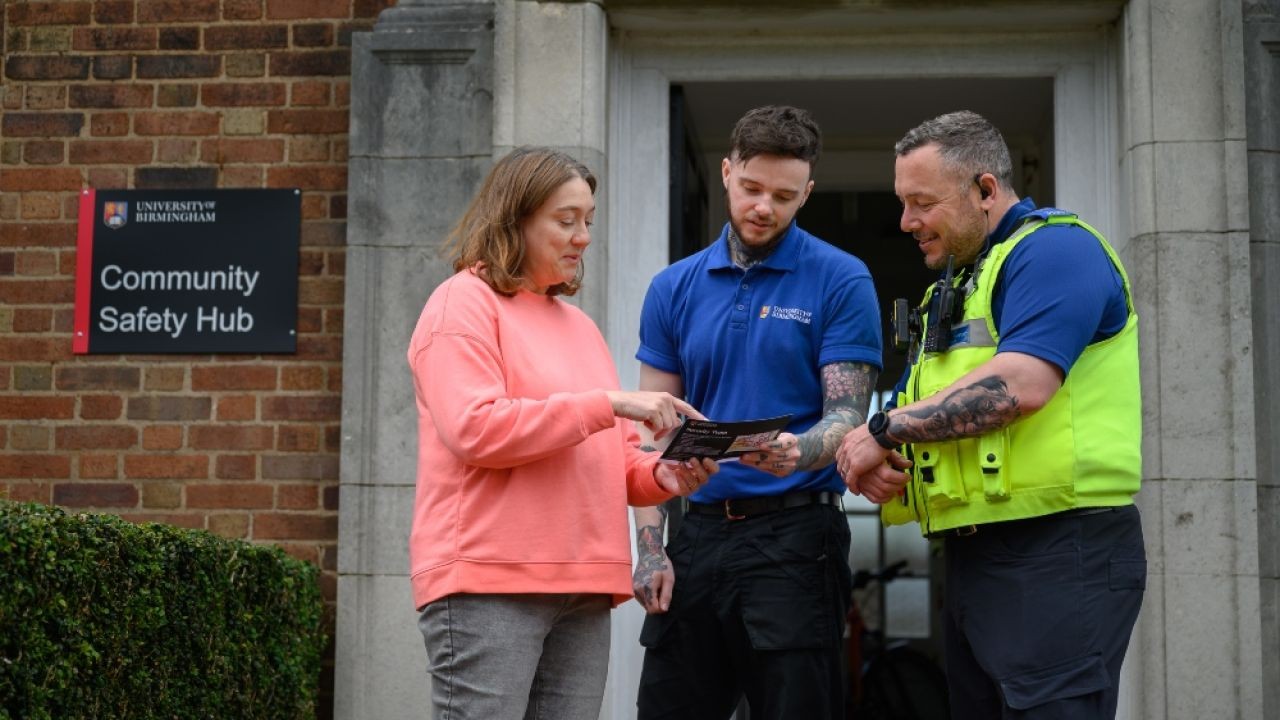
- Conduct a Social Impact Assessment: Go beyond the standard geotechnical and traffic reports. Partner with local sociologists or community boards to understand the existing social dynamics of your development site.
- Design for "Eyes on the Street": Champion Jane Jacobs' timeless principle. Ensure building frontages are engaging, avoid long blank walls, and prioritise mixed-use zoning to ensure activity throughout the day and night.
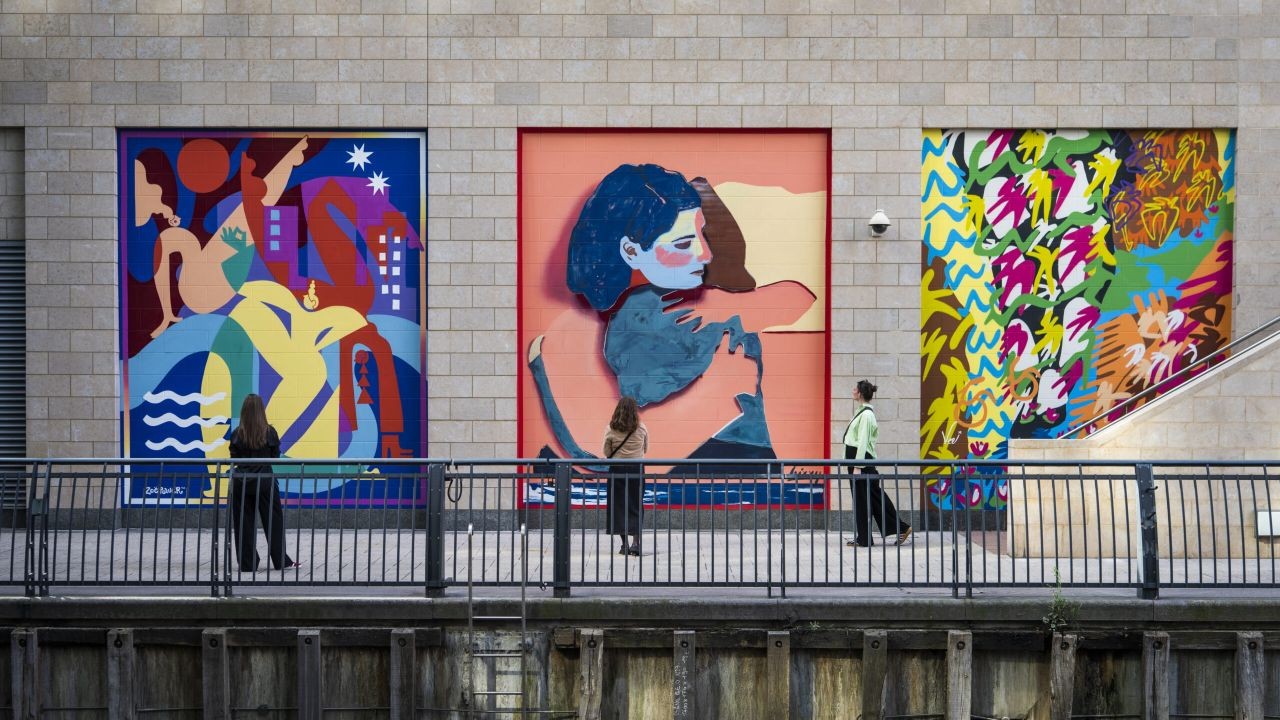
- Allocate Capital for Soft Infrastructure: Budget isn't just for concrete. Factor in contributions or partnerships for community facilities, public art installations, or events programming that fosters positive placemaking from day one.
Case Study: Wynyard Quarter – From Industrial Wasteland to Vibrant Waterfront
Problem: Auckland's Wynyard Quarter was, for decades, a disconnected, underutilised industrial zone. It lacked residential density, had poor pedestrian connectivity, and offered little reason for the public to visit, creating pockets of inactivity that can feel unsafe.
Action: The transformation, led by Eke Panuku Development Auckland, was a masterclass in holistic urban regeneration. The strategy wasn't just to build apartments; it was to create a neighbourhood. Key actions included mandating active ground-floor uses (cafes, restaurants, retail), creating a network of high-quality, accessible public parks and plazas (Silo Park, Jellicoe Street), preserving heritage elements, and ensuring seamless pedestrian and cycle connections to the CBD and surrounding suburbs.
Result: The area is now one of Auckland's most sought-after addresses. Property values have skyrocketed, but more importantly, it is a thriving, 18-hour destination. The constant, organic activity created by residents, workers, and visitors generates a natural sense of security and community. From consulting with local businesses in New Zealand that have set up in Wynyard Quarter, the feedback is unanimous: the deliberate design for people, not just cars or buildings, has been fundamental to their commercial success and customer loyalty.
Takeaway: Proactive, people-first design can mitigate the conditions that lead to social isolation and friction. While it cannot prevent premeditated criminal acts, it creates an environment where community resilience is the norm, not the exception.
The Data-Driven Defence: How Safety Impacts Value
Let's move from the philosophical to the empirical. The link between perceived safety and property value is not anecdotal; it's quantifiable. Research, including studies from the Reserve Bank of New Zealand and various academic institutions, consistently identifies "neighbourhood safety" as one of the top three determinants of residential property prices. A perceived spike in crime or antisocial behaviour can suppress buyer demand, leading to longer selling periods and price stagnation in affected areas.
For commercial and retail developments, the impact is even more acute. Tenants, whether major corporates or boutique retailers, conduct rigorous risk assessments. An area gaining a reputation for instability becomes a harder sell, leading to higher tenant incentives, lower achievable rents, and ultimately, a diminished return on investment. Based on my work with NZ SMEs looking for office or retail space, I can attest that "vibrancy and safety of the area" is now a non-negotiable line item in their location criteria, often ranking above pure cost-per-square-metre calculations.
The Pros and Cons of Active Community Engagement
Some developers view deep community engagement as a costly hurdle. The most successful see it as an invaluable risk-mitigation and value-creation tool.
✅ Pros:
- Social License to Operate: Genuine consultation builds trust and reduces opposition, smoothing the consenting process.
- Enhanced Design Intelligence: Local residents provide insights no consultant can match, revealing how spaces are truly used and where vulnerabilities lie.
- Long-Term Value Protection: A community that feels heard is more likely to become an advocate for the development, protecting its reputation and appeal.
- Risk Identification: Early engagement can surface potential social conflicts or safety concerns that can be designed out before a single foundation is poured.
❌ Cons:
- Time and Resource Intensive: Meaningful engagement extends project timelines and requires dedicated personnel and budget.
- Potential for Scope Creep: Managing diverse and sometimes conflicting community expectations can be challenging.
- Perceived as a "Tick-Box" Exercise: If not done authentically, it can breed greater cynicism and distrust than no engagement at all.
Debunking Myths: What Property Professionals Often Get Wrong
Myth 1: "Security is an operational issue for building managers, not a design issue for developers." Reality: This is a costly misconception. True security is designed in, not bolted on. It encompasses street layout, lighting design, sightlines, and the mix of uses. Retrofitting security features is always more expensive and less effective than integrating principles of Crime Prevention Through Environmental Design (CPTED) from the outset.
Myth 2: "High walls and gated communities are the ultimate solution to safety concerns." Reality: While offering a perception of security, these features can actually damage the broader urban fabric. They create physical and social barriers, reducing natural surveillance and fostering a "fortress mentality" that can exacerbate the very "us vs. them" tensions seen in gang-related conflicts. They often simply displace issues rather than solve them.
Myth 3: "Our responsibility ends at the property boundary." Reality: In the eyes of the market and the community, it does not. The success of your asset is inextricably linked to the health of its surroundings. Leading developers now actively participate in or fund Business Improvement District (BID) partnerships, like those in Auckland's CBD or Wellington's Courtenay Precinct, to collectively manage and enhance the public realm.
A Controversial Take: The Affordable Housing Imperative is Also a Safety Strategy
Here’s a perspective that may unsettle some: The chronic shortage of affordable housing in Auckland and other major centres is not just a social crisis; it is a direct contributor to urban instability and a material risk to property portfolios. When essential workers, young families, and students are priced out of stable, quality housing, it increases stress, reduces community cohesion, and can fuel the conditions where antisocial behaviour and gang recruitment find footholds.
Therefore, advocating for and incorporating genuine affordable housing components—not just "market affordable"—into large-scale developments is a strategic risk mitigation exercise. It creates more economically diverse and therefore more resilient communities. It ensures a steady workforce for local businesses. It is, quite frankly, an investment in the long-term health of the city and, by extension, the long-term value of all assets within it. Ignoring this interconnectedness is a profound blind spot for our industry.
The Future of Urban Development in New Zealand: Integration or Isolation?
The path forward presents two divergent visions. One is a continuation of siloed development, where projects are inward-focused, contributing to urban fragmentation. The other, which I advocate for passionately, is an era of hyper-integrated urbanism. This means developments that are physically, digitally, and socially woven into the city.
We will see a greater emphasis on:
- Data-Informed Placemaking: Using anonymised mobility and foot traffic data to understand how people move and gather, informing safer, more responsive design.
- Public-Private Partnerships for Social Infrastructure: Developers partnering directly with government to co-deliver community centres, libraries, or sports facilities as part of their projects.
- Resilience-Based Design: Building not just for economic cycles, but for social and climate shocks, creating communities that can withstand and recover from adversity.
According to MBIE's National Construction Pipeline Report 2024, while residential building consents are easing, the pipeline for larger, complex urban regeneration projects remains significant. This is our opportunity to embed these principles at scale.
Final Takeaways and Your Call to Action
- Think Ecosystem, Not Just Asset: Your development's success is tied to the health of its surrounding community. Invest in that community as you would in high-quality cladding.
- Design is Your First Line of Defence: Champion CPTED principles from the earliest design charrette. Good urban design is proactive crime prevention.
- Embrace the Controversial: Be a voice for integrated, affordable, and inclusive development models. It’s the right thing for the city and the smart thing for your bottom line.
- Measure What Matters: Track metrics beyond financial ROI. Include tenant satisfaction, public space utilisation, and community sentiment as key performance indicators.
The tragic events on an Auckland street are a wake-up call. They remind us that property development is not a neutral act. Every decision we make—from the width of a footpath to the tenure of the housing we provide—shapes the social and economic destiny of a place. The challenge, and the opportunity, for every Kiwi developer is to move from being mere builders of buildings to becoming intentional architects of community resilience. The future value of our cities depends on it.
What’s your next move? Will your next project be a walled island or a woven thread in the urban fabric? The choice defines our legacy. Share your thoughts on how the industry can better integrate community safety into its core ethos.
People Also Ask (FAQ)
How does urban design directly impact crime rates in New Zealand? Studies, including work by NZ criminologists, show that principles of Crime Prevention Through Environmental Design (CPTED)—like natural surveillance, territorial reinforcement, and access control—can reduce opportunities for crime. Well-designed, active spaces foster community ownership, which is a powerful deterrent.
What is the biggest mistake developers make regarding community safety? The biggest mistake is treating safety as a security hardware issue to be solved after construction. True safety is a design philosophy that must be integrated from the initial masterplan, focusing on creating vibrant, welcoming, and continuously active public realms.
Can property developers realistically influence complex social issues like gang violence? Not directly. However, developers have immense power to influence the physical environment that either exacerbates or alleviates social fragmentation. By creating inclusive, connected, and opportunity-rich neighbourhoods, development can be part of a broader societal solution that reduces the fertile ground for such issues.
Related Search Queries
- Crime Prevention Through Environmental Design New Zealand
- Impact of crime on Auckland property prices
- Community engagement strategies for property developers NZ
- Wynyard Quarter Auckland urban regeneration case study
- MBIE construction pipeline report 2024 social infrastructure
- Cost of unsafe neighbourhoods for commercial real estate
- Public private partnership models for community development NZ
- Affordable housing and community stability research New Zealand
For the full context and strategies on Auckland motorist recalls road rage attack by Fitus gang members before fatal shooting of Head Hunter Charles Pongi – (And Why Kiwis Should Care in the future), see our main guide: Vidude Vs Shift72 New Zealand.