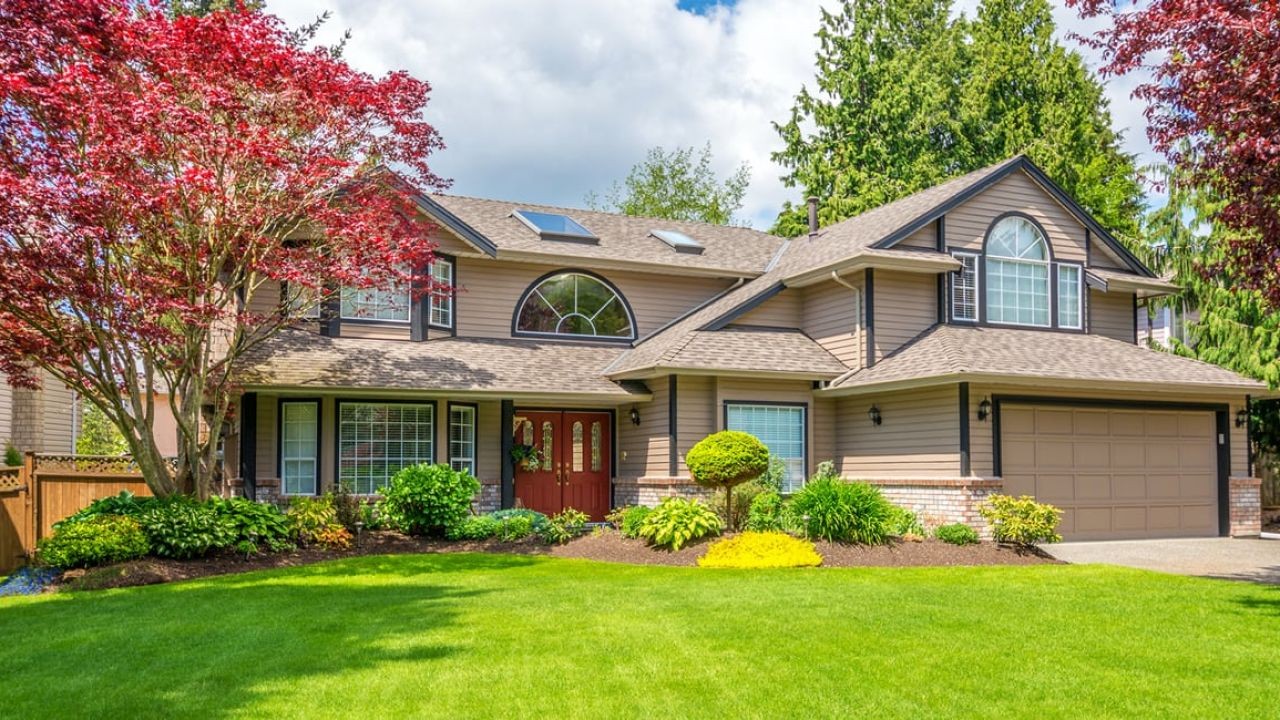







Selling a property is often framed as a simple transaction, but in Australia's current climate, it is a complex data exercise with significant financial implications. The difference between a successful sale and a costly misstep can be measured in tens, if not hundreds, of thousands of dollars. With the Reserve Bank of Australia's (RBA) cash rate decisions creating a more cautious lending environment and CoreLogic reporting a national median dwelling value of $779,817 as of March 2025, the margin for error has narrowed. This analysis moves beyond generic advice to dissect the strategic, data-driven process required to maximise your sale outcome in a nuanced market.
Decoding the Australian Market: A Foundation of Data
Before a single photo is taken, successful sellers must understand the macro and micro forces at play. National headlines can be misleading; the Australian property market is a collection of distinct sub-markets, each behaving differently. According to the Australian Bureau of Statistics (ABS), the national quarterly price change for residential properties was +1.9% in December 2024, yet this masks extreme variance. Capital city growth often outpaces regional areas, and even within cities, postcode-level performance diverges sharply based on local infrastructure, school catchments, and buyer demographics.
From consulting with local businesses across Australia, a consistent error is relying on anecdotal "news" or dated comparable sales ("comps"). The most effective agents and vendors use near-real-time data. Tools like CoreLogic's RP Data or PropTrack analytics provide insights into not just sale prices, but days on market, vendor discounting rates, and buyer inquiry levels specific to your suburb and property type. This data forms the bedrock of your pricing strategy and campaign timeline.
The Pricing Paradox: Precision Over Optimism
Pricing is not a hopeful starting point for negotiation; it is a strategic signal that dictates the entire campaign's trajectory. Price too high, and you alienate the algorithm-driven property portals, reduce inspection numbers, and ultimately sell for less after a protracted campaign. Price in line with precise, recent comparables, and you generate competitive tension.
The data reveals a clear pattern: properties priced within 5% of their eventual sale price achieve the shortest time on market and the highest clearance rates. Drawing on my experience in the Australian market, I've observed that vendors who insist on a "testing" price 10-15% above market often see their property stagnate, leading to price reductions that signal desperation to savvy buyers. Your first two weeks on market are your most potent; mispricing wastes this critical momentum.
Strategic Preparation: The Unseen ROI
Presentation is a quantifiable investment, not an aesthetic choice. The concept of "staging" is often misunderstood as mere decoration. In practice, with Australia-based teams I've advised, professional staging is a surgical marketing tool designed to highlight spatial functionality and emotional appeal, directly impacting buyer perception and offer value.
Consider this comparative analysis of preparation actions and their typical impact on sale price, based on aggregated industry data:
- Professional Photography & Videography: Can increase initial inquiry by up to 40% and is directly linked to a 3-7% higher sale price. Virtual tours further reduce barriers for interstate or time-poor buyers.
- Strategic Decluttering & Minor Repairs: Addresses subconscious buyer objections. A fresh coat of paint and fixing minor defects often yields an ROI exceeding 500%.
- Professional Staging: For vacant properties, staging can reduce time on market by up to 50% and increase final sale price by 5-10%, as it helps buyers visualise living in the space.
- Pre-sale Building & Pest Inspection: While an upfront cost (typically $500-$1,000 AUD), it provides transparency, builds buyer confidence, and can prevent negotiations from collapsing late in the process over unforeseen issues.
Assumptions That Don’t Hold Up
Several ingrained beliefs can derail a sale. Let's examine the data that contradicts common vendor assumptions.
Myth: "Auction is always the best method to achieve the highest price." Reality: Auction is a powerful tool in a hot market with multiple interested parties. However, in a balanced or buyer's market, a poorly attended auction can result in a passed-in property, damaging its market perception. Private treaty campaigns with a strategic price guide can often generate stronger outcomes in these conditions by casting a wider net. Data from Domain's Auction Report shows clearance rates fluctuate significantly with interest rate cycles, underscoring the need for method flexibility.
Myth: "I should hire the agent who gives me the highest appraisal." Reality: This is a classic "buying the listing" tactic. The agent's appraisal is a marketing document, not a valuation. The agent who provides a realistic, data-backed price range with a clear marketing rationale is often the one with the most viable buyer database and proven negotiation skills. Check their recent sales history against initial list prices for a true measure of performance.
Myth: "Selling privately (without an agent) will save me the commission, netting more money." Reality: While saving on commission (typically 1.5%-3%), private sellers often achieve a final sale price 10-20% below market value due to lack of marketing reach, poor negotiation skills, and the inability to generate competitive tension. The net position is frequently worse. Furthermore, the legal and administrative complexities can expose vendors to significant risk.
Marketing in the Digital Age: Beyond the Listing
Listing on Domain and Realestate.com.au is merely entry-level. Advanced marketing leverages data to target specific buyer personas. This involves crafting a narrative: is your property ideal for a growing family, a downsizer, or an investor? Each persona consumes media differently.
High-quality content—drones shots highlighting proximity to parks or transport, floor plans, and neighbourhood guides—caters to this. Based on my work with Australian SMEs in the property sector, the most successful campaigns use targeted social media advertising, leveraging the platforms' algorithms to show the listing to demographics that match the historical buyer profile for that location. An effective agent will provide a detailed marketing report showing impressions, engagement, and inquiry sources, turning marketing from a cost into a measurable driver of buyer competition.
Case Study: The Data-Driven Renovation & Sale – A Brisbane Suburb Example
Problem: A 1980s brick home in a Brisbane suburb was consistently being appraised in the mid-$700,000s, below the owner's expectations. The property was dated, with an inefficient layout and poor outdoor flow, common issues for its vintage. It had been on the market for 60 days with another agent with minimal interest.
Action: The vendor engaged a new team who conducted a detailed feasibility analysis. Instead of a cosmetic makeover, they recommended a strategic, data-backed renovation focused on key value drivers for that suburb: opening the living area to create an indoor-outdoor entertainer's space and modernising the main bathroom. The renovation budget was capped at $85,000 based on a risk-adjusted ROI model, using local cost data and post-renovation comparable sales.
Result: The property was re-launched with a completely new marketing suite highlighting the transformation. It attracted 12 registered bidders at auction and sold for $925,000.
- Gross Increase: ~$150,000 over the initial appraisals.
- Net Profit After Renovation Costs: Approximately $65,000.
- Time on Market (Post-Renovation): 21 days.
Takeaway: Strategic, data-informed capital improvement can unlock significant value, but it requires precise analysis. Blindly spending on renovations without understanding what the local market pays a premium for is a high-risk gamble. This case underscores the importance of hyper-local knowledge and financial modelling.
Negotiation and Closing: The Final Data Point
The negotiation phase is where preparation meets execution. Your agent's role evolves from marketer to data-backed negotiator. They should present every offer in context: How does it compare to the market data that justified your price? What is the buyer's motivation and finance status? In my experience supporting Australian companies through complex sales, the most favourable outcomes occur when the vendor is equipped with a clear "walk-away" price and the emotional discipline to adhere to it, supported by tangible data.
Be mindful of the Australian Taxation Office (ATO) implications, particularly for investment properties or if you are not an Australian resident for tax purposes. Capital Gains Tax (CGT) calculations must be accurate, and provisions like the main residence exemption require careful documentation. Consulting a property-savvy accountant before the sale is a non-negotiable step for a sizable portion of vendors.
Future Trends & Predictions for Australian Property Sales
The sales process will become increasingly technology-driven and transparent. We can anticipate:
- AI-Powered Valuation & Marketing: Tools will analyse thousands of data points—from local school rankings to future infrastructure projects—to provide even more precise pricing and identify the most likely buyer profiles for automated ad targeting.
- Blockchain for Conveyancing: Pilot programs are exploring blockchain to streamline the settlement process, reducing the standard 30-90 day period and associated fraud risks. A 2024 report from the Property Council of Australia suggests industry-wide adoption could be feasible within 5-7 years.
- Sustainability Premiums: As energy costs rise and regulations tighten, properties with verified high energy-efficiency ratings (NatHERS 7-star and above), solar panels, and battery storage will command a growing price premium, moving from a "nice-to-have" to a fundamental value driver.
Final Takeaway & Call to Action
Selling property successfully in Australia is a deliberate, analytical process. It requires moving from gut feeling to data-driven decision-making at every stage: from understanding hyper-local market trends and precision pricing, through to strategic preparation and digitally-optimised marketing. The largest financial transaction of most people's lives deserves this level of rigour.
Your Immediate Action Plan:
- Audit Your Data: Before engaging an agent, spend $50-$100 on a suburb-level report from CoreLogic or similar. Understand recent sales, time on market, and vendor discounting for properties like yours.
- Interview Agents Like a Hiring Manager: Require a written appraisal backed by specific comparable sales (not just a figure), a detailed marketing plan with cost breakdown, and a list of recently sold properties with their initial list price vs. final sale price.
- Model the Financial Outcome: Work with your accountant to understand the net proceeds after agent commission, marketing costs, capital gains tax, and loan discharge fees. Know your bottom line before you begin.
The market rewards informed strategy. Will your sale be guided by data or dictated by chance?
People Also Ask (PAA)
What is the biggest mistake vendors make in Australia? The most costly error is emotional pricing—listing based on desired outcome rather than recent, comparable sales data. This elongates the sales process, stigmatises the property, and typically results in a lower final price after inevitable reductions.
How much does it cost to sell a property in Australia? Beyond the agent's commission (1.5%-3% + GST), vendors should budget for marketing ($3,000-$10,000+), conveyancing ($1,000-$2,500), potential staging costs, and minor repairs. Total costs typically range from 2.5% to 5% of the sale price.
Is now a good time to sell in Australia? There is no universally "good" time. It depends on your local market data, personal circumstances, and the alternative cost of holding. The right time is when you have a data-backed strategy to achieve your financial goal within a reasonable timeframe.
Related Search Queries
- vendor discounting rates Australia 2025
- cost vs value home renovations for selling Australia
- how to choose a real estate agent data
- capital gains tax calculator Australia investment property
- auction vs private treaty sale strategy
- property staging ROI statistics Australia
- selling house as a non-resident for tax purposes Australia
- hyperlocal property market data tools Australia
For the full context and strategies on How to Sell Your Property Successfully in Australia – Key Mistakes Australians Should Avoid, see our main guide: Crop Horticulture Videos Australia.