



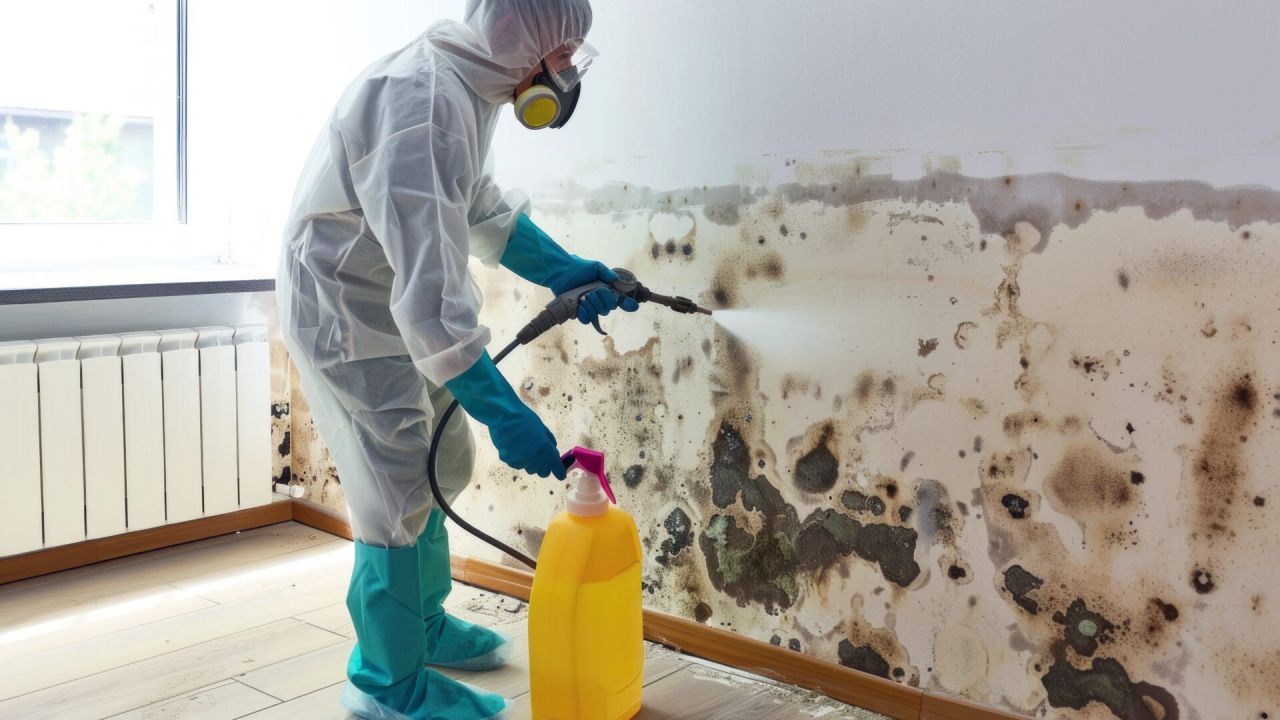
Australia, with its unique climate, offers diverse living conditions, from temperate coastal areas to the humid tropics. While this diversity is a boon for residents, it also poses challenges, particularly when it comes to preventing mould and water damage in homes. Ensuring your home remains a sanctuary requires understanding the nuances of these issues and implementing effective preventative measures.
1. Understanding the Impact of Mould and Water Damage in Australia
Given Australia's climatic diversity, homes are susceptible to mould and water damage. According to the Australian Bureau of Statistics (ABS), households in coastal regions, such as Sydney and Brisbane, report higher incidences of water-related home issues due to heavy rainfall and humidity. These conditions can lead to structural damage and health concerns, emphasizing the importance of proactive measures.
Why It Matters
Mould not only damages the structural integrity of a home but also poses serious health risks. The World Health Organization (WHO) links exposure to indoor mould with respiratory issues, particularly in children. In economic terms, water damage can significantly decrease property value, making prevention a crucial aspect of asset management.
2. Essential Steps to Prevent Mould and Water Damage
Step 1: Ensure Adequate Ventilation
- Install Exhaust Fans: Use fans in high-moisture areas such as bathrooms and kitchens to reduce humidity levels.
- Open Windows: Regularly ventilate your home by opening windows, especially after activities like cooking or showering.
Step 2: Control Indoor Humidity
- Use Dehumidifiers: Particularly in humid regions, dehumidifiers can help maintain optimal humidity levels, reducing mould growth.
- Monitor Humidity Levels: Keep indoor humidity below 60% to prevent mould growth. Devices like hygrometers can help monitor this.
Step 3: Regular Maintenance and Inspection
- Check Roof and Gutters: Ensure they are clear of debris to prevent water accumulation.
- Inspect Plumbing: Regularly check for leaks or signs of water damage in pipes and fixtures.
Step 4: Use Mould-Resistant Products
- Mould-Resistant Paints and Materials: Opt for these in areas prone to dampness to inhibit mould growth.
3. Real-World Case Study: Queensland's Approach to Moisture Management
Case Study: Sunshine Coast Housing Project – Overcoming Humidity Challenges
Problem: Homes in Queensland, particularly in the Sunshine Coast, faced significant mould issues due to high humidity levels.
Action: A local housing project implemented moisture management solutions, including advanced ventilation systems and dehumidifiers.
Result: Within a year, homes reported a 30% decrease in mould-related issues. The project demonstrated the effectiveness of targeted interventions in humid climates.
Takeaway: This underscores the importance of tailored solutions based on local climate conditions. Australian homeowners can benefit from region-specific strategies to mitigate mould and water damage.
4. Common Myths and Misconceptions
Myth: "Mould won't grow in dry climates."
Reality: Mould can develop anywhere with sufficient moisture. In dry climates, it often grows in areas like bathrooms or kitchens where humidity is higher.
Myth: "Painting over mould will solve the problem."
Reality: Painting over mould only conceals the issue temporarily. The source of moisture needs to be addressed to prevent recurrence.
5. Pros and Cons of Different Prevention Methods
Pros
- Ventilation Systems: Effective in reducing indoor humidity, leading to long-term mould prevention.
- Dehumidifiers: Provide immediate humidity control, particularly in high-moisture areas.
- Mould-Resistant Products: Offer a proactive approach to prevent mould growth.
Cons
- Cost: Installation of systems like advanced ventilation can be expensive.
- Maintenance: Regular checks and maintenance are required to ensure effectiveness.
6. Future Trends in Home Protection Against Mould and Water Damage
Looking ahead, the integration of smart home technology offers promising advancements in moisture management. Devices that monitor humidity and detect leaks in real-time are expected to become standard in Australian homes, offering a proactive approach to water damage prevention.
According to a report by CSIRO, by 2030, approximately 70% of Australian homes will incorporate smart technology for environmental monitoring, significantly reducing incidences of mould and water damage.
Conclusion
Preventing mould and water damage requires a comprehensive approach, combining technology, regular maintenance, and awareness of environmental factors. As Australia's climate continues to evolve, homeowners must adapt to new challenges with innovative solutions. By implementing the strategies outlined above, Australians can protect their homes and ensure long-term health and financial well-being.
What strategies have you found effective in managing mould and water damage in your home? Share your insights and experiences in the comments below!
Related Search Queries
- How to stop mould in house Australia
- Best dehumidifiers for Australian homes
- Preventing water damage in coastal homes
- Common causes of mould in Australian homes
- Home humidity control systems in Australia
People Also Ask (FAQ)
How does mould affect health in Australia? Mould exposure can lead to respiratory issues, allergies, and asthma, particularly in children, according to the World Health Organization.
What are the best methods to prevent mould in humid climates? Effective methods include using dehumidifiers, installing ventilation systems, and employing mould-resistant products.
How can smart home technology help prevent water damage? Smart home devices can monitor humidity levels and detect leaks in real-time, providing an early warning system to prevent extensive damage.