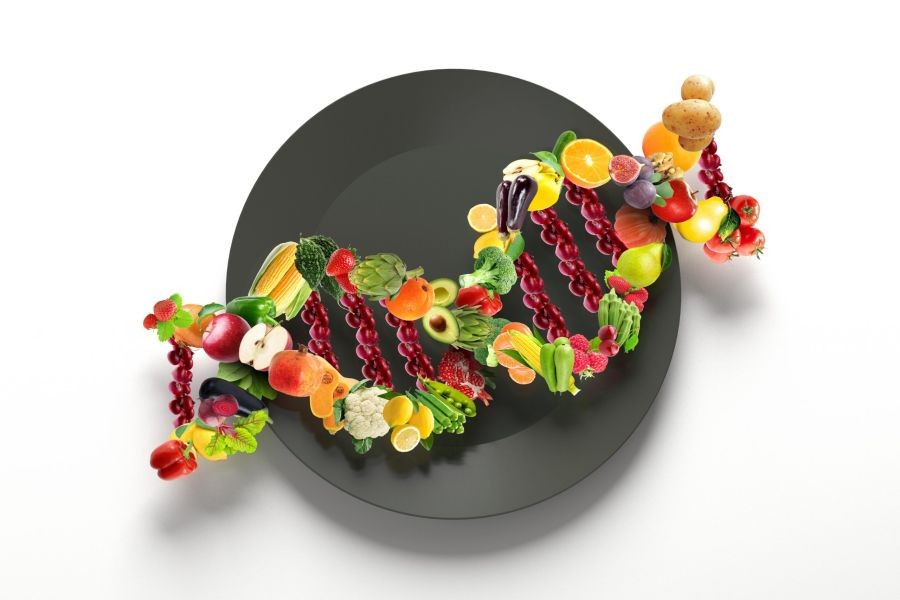






Artificial Intelligence (AI) continues to reshape industries worldwide, and nutrition is no exception. With the rise of AI-generated diet plans, questions loom about the future of traditional nutritionists. In Australia, where health and wellness are increasingly prioritized, this technological shift has significant implications. This article delves into whether AI-generated diet plans will replace nutritionists, examining local trends, economic factors, and regulatory considerations.
The Rise of AI-Generated Diet Plans
AI-generated diet plans are becoming more sophisticated, leveraging vast amounts of nutritional data and personalized algorithms to create tailored dietary recommendations. These systems can consider individual health data, preferences, and goals to suggest optimal eating plans. This trend is not isolated; globally, the AI in healthcare market is projected to reach USD 45.2 billion by 2026, with diet and nutrition being key areas of application.
Australia's Embrace of Health Tech
Australia is no stranger to health tech innovations. According to the Australian Bureau of Statistics, health services are among the fastest-growing sectors, with digital health solutions contributing significantly to this growth. AI-generated diet plans align with Australia's increasing focus on preventative health care, as evidenced by initiatives like the Australian Digital Health Agency's efforts to integrate digital solutions into everyday health management.
Pros and Cons of AI-Generated Diet Plans
Pros:
- Personalization: AI can tailor diet plans to individual needs, considering factors like age, weight, health conditions, and dietary preferences.
- Efficiency: AI systems can process and analyze data much faster than a human nutritionist, offering immediate recommendations.
- Cost-Effective: Over time, AI services may become more affordable than regular consultations with a nutritionist, making dietary advice accessible to more Australians.
- Data-Driven: AI algorithms use the latest research and data, ensuring that dietary recommendations are based on current scientific evidence.
Cons:
- Lack of Human Touch: AI lacks the emotional intelligence and empathy that human nutritionists provide, which can be crucial for client motivation and adherence.
- Data Privacy Concerns: Handling sensitive health data raises privacy issues, as highlighted by the Australian Competition & Consumer Commission (ACCC).
- Algorithm Errors: AI systems can make errors, sometimes providing recommendations that aren't suitable for complex health conditions.
- Limited Context Understanding: AI may not fully grasp the social and cultural aspects of eating, which are essential in Australian dietary habits.
Case Study: The Impact of AI in Nutrition – Australian Context
Consider the case of an Australian health tech startup, NutriAI, which developed an AI-powered app for personalized diet planning. NutriAI collaborated with dietitians to create a hybrid model, combining AI's efficiency with human expertise. Since its launch, NutriAI has seen a 40% increase in user engagement and a 30% rise in subscription renewals, showcasing how AI and human nutritionists can complement each other.
Data-Driven Insights from Australian Bureau of Statistics
The Australian Bureau of Statistics reports that preventative health measures, such as healthy eating, are crucial in tackling the country's rising obesity rates, which affect two-thirds of the adult population. AI-generated diet plans can support these efforts by promoting healthier eating habits efficiently and at scale.
Industry Commentary: Can AI Replace Nutritionists?
Experts argue that while AI-generated diet plans offer numerous benefits, they are unlikely to replace nutritionists entirely. According to Dr. Jane Hudson, a leading nutritionist in Sydney, "AI can handle the data and initial recommendations, but the nuances of human behavior, motivation, and adherence require the human touch." This underscores the potential for AI and nutritionists to collaborate rather than compete.
Regulatory Considerations in Australia
As AI permeates the nutrition sector, regulatory bodies such as the Australian Health Practitioner Regulation Agency (AHPRA) must ensure that AI solutions comply with existing health standards. The ACCC's focus on data privacy and consumer protection remains pertinent as AI solutions handle sensitive health data.
The Future of AI in Nutrition
In the coming years, AI is expected to enhance its role in nutrition. By 2028, experts predict that AI will be integral to personalized health interventions, offering dietary, fitness, and lifestyle advice. However, the human element will remain invaluable, with nutritionists focusing on the psychological and behavioral aspects of dietary changes.
Conclusion: A Collaborative Future
The future of nutrition in Australia is likely to be collaborative, with AI-generated diet plans and human nutritionists working together to provide comprehensive care. While AI offers efficiency and personalization, the expertise and empathy of nutritionists ensure sustainable lifestyle changes. For Australians, this means more accessible, personalized, and effective dietary guidance.
Final Takeaways
- AI-generated diet plans offer personalization and efficiency but lack the human touch.
- In Australia, AI in nutrition aligns with preventative health initiatives.
- Data privacy and algorithm errors are significant concerns that need addressing.
- A collaborative approach between AI and nutritionists could enhance dietary interventions.
People Also Ask (FAQ)
How does AI impact nutritionists in Australia?AI offers personalized diet plans and can handle vast data efficiently, complementing nutritionists' expertise in behavioral and motivational aspects.
Are AI-generated diet plans reliable?AI-generated diet plans are data-driven and based on current scientific evidence, but they must be used alongside professional advice for complex health conditions.
What are the biggest misconceptions about AI in nutrition?A common myth is that AI will replace nutritionists; however, AI and human expertise can complement each other, enhancing overall dietary care.
Related Search Queries
- AI nutrition Australia
- AI diet plan benefits
- Future of nutritionists
- AI in healthcare Australia
- Data privacy in AI diet plans
In conclusion, as Australia embraces AI in nutrition, a balanced approach that leverages technology while maintaining human expertise appears to be the most promising path forward.