





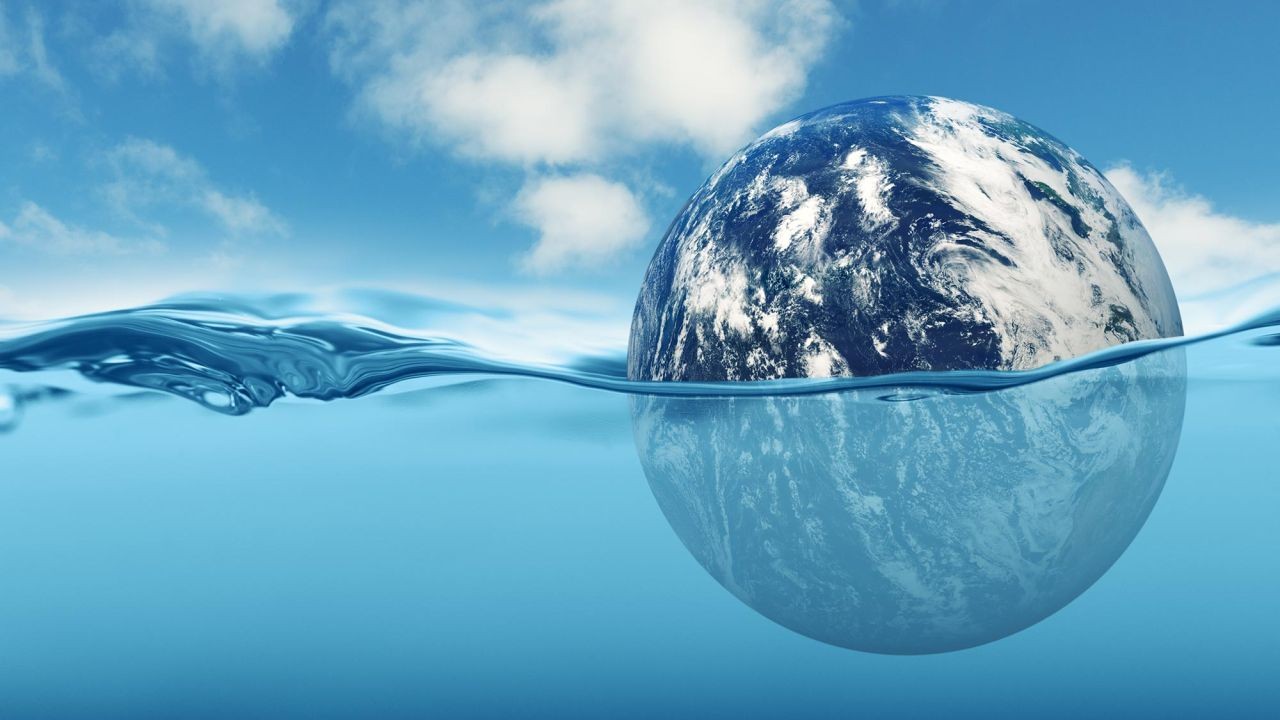
Did you know that New Zealand is at the forefront of a global challenge that could redefine its geographical and economic landscape? As climate change accelerates, rising sea levels pose an existential threat, potentially displacing millions worldwide and transforming them into climate refugees. In New Zealand, where a significant portion of the population resides in coastal areas, the implications are profound. According to a report by the Ministry for the Environment, sea levels around New Zealand are projected to rise by up to 1.1 meters by 2100, significantly impacting coastal communities and infrastructure. This article explores the potential consequences of rising seas on New Zealand, the strategies being implemented, and how technology and policy can mitigate these impacts.
Case Study: The Impact of Rising Seas on New Zealand’s Coastal Communities
In New Zealand, the town of South Dunedin serves as a poignant example of the challenges posed by rising sea levels. Situated on a low-lying coastal plain, South Dunedin is highly susceptible to flooding, with its groundwater levels already alarmingly close to the surface. In 2015, a severe storm caused widespread flooding, resulting in significant property damage and highlighting the vulnerability of the area.
To address this challenge, local authorities have implemented a series of measures, including improved drainage systems and community education programs. They have also initiated discussions on managed retreat, a strategy that involves relocating communities away from high-risk areas. This approach, however, presents significant social and economic challenges, as it requires balancing environmental imperatives with residents' livelihoods and cultural connections to the land.
How Rising Sea Levels Affect Infrastructure and Industries
The implications of rising seas extend beyond residential areas, threatening critical infrastructure and industries that are vital to New Zealand’s economy. For instance, the country's ports, which are crucial for trade and transportation, face increased risks from coastal erosion and storm surges. The New Zealand Infrastructure Commission estimates that over $5 billion worth of infrastructure assets are at risk from sea-level rise.
Agriculture and aquaculture, two of New Zealand’s key industries, are also vulnerable. Saltwater intrusion can degrade farmland, while changing sea temperatures and acidity levels affect marine biodiversity and fisheries. As these industries are cornerstones of the Kiwi economy, their disruption could have cascading effects on employment and GDP.
How Technology Can Mitigate the Impact of Rising Seas
Technology offers innovative solutions to combat the challenges posed by rising sea levels. One promising area is the development of advanced forecasting models that leverage AI and machine learning to predict climate-related impacts more accurately. These models can help authorities make informed decisions about infrastructure development and emergency response.
Additionally, smart infrastructure, such as adaptive building designs and flood-resilient structures, can enhance the resilience of communities. For example, floating architecture and amphibious homes are being explored as viable options for areas prone to flooding. These innovations not only protect properties but also preserve the cultural and historical integrity of communities.
The Role of Policy and Sustainable Practices
Policy frameworks play a crucial role in addressing the challenges of rising sea levels. The New Zealand government has introduced the Climate Change Response (Zero Carbon) Amendment Act, which sets a target for net-zero emissions by 2050. This legislation is a significant step in mitigating climate change and its associated impacts.
Moreover, sustainable practices such as ecosystem-based adaptation are gaining traction. By restoring natural barriers like mangroves and wetlands, New Zealand can enhance its coastal resilience while preserving biodiversity. These nature-based solutions offer cost-effective and sustainable alternatives to traditional engineering approaches.
Pros and Cons of Current Strategies
While New Zealand is making strides in addressing rising sea levels, the strategies implemented come with their own set of advantages and challenges.
Pros:
- Innovative Solutions: Technological advancements provide new tools for predicting and mitigating climate impacts.
- Policy Support: Government initiatives like the Zero Carbon Act demonstrate a commitment to long-term sustainability.
- Community Engagement: Public awareness and involvement in climate adaptation strategies foster resilience.
Cons:
- Economic Costs: Implementing adaptive measures requires significant investment, which can strain resources.
- Social Displacement: Managed retreat and relocation pose challenges for communities with deep ties to their land.
- Uncertain Outcomes: The effectiveness of new technologies and policies remains to be fully realized.
Debunking Myths About Climate Refugees
There are several misconceptions about climate refugees that need to be addressed to better understand the scope of the issue.
Myth: "Climate refugees are a distant future problem."
Reality: Climate-induced displacement is already occurring globally, with over 20 million people affected annually by weather-related disasters (UNHCR).
Myth: "Technology alone can solve the problem."
Reality: While technology is a critical tool, holistic approaches involving policy, community engagement, and sustainable practices are essential for effective adaptation.
Myth: "Only low-income countries are affected."
Reality: Developed nations, including New Zealand, face significant challenges from climate change, particularly in coastal regions.
Future Trends and Predictions
As we look to the future, several trends and predictions emerge regarding the impact of rising sea levels:
- By 2050, it is estimated that up to 300 million people worldwide could be displaced due to rising seas (Climate Central).
- New Zealand's commitment to renewable energy and emissions reduction will play a crucial role in mitigating climate impacts.
- Advancements in climate modeling and forecasting will enhance preparedness and response strategies, reducing the risk of catastrophic events.
Final Takeaways and Call to Action
The threat of rising sea levels is a pressing issue that requires immediate and concerted action. New Zealand, with its unique vulnerabilities and strengths, has the opportunity to lead by example in implementing innovative solutions and sustainable practices. As technology strategists, policymakers, and citizens, we must work collaboratively to build a resilient future for our communities.
What’s Next? Engage with local initiatives, support sustainable practices, and stay informed about climate policies and technologies. Share your thoughts on how New Zealand can continue to adapt and thrive in the face of climate change. If you found this article insightful, share it with your network and contribute to the conversation!
People Also Ask (FAQ)
- How does rising sea levels impact businesses in New Zealand? NZ businesses may face operational disruptions, especially those in coastal areas. Adopting resilient infrastructure and sustainable practices can help mitigate these impacts.
- What are the biggest misconceptions about climate refugees? A common myth is that climate refugees are only a future concern. In reality, displacement due to climate change is already happening globally.
- What strategies are effective for adapting to rising sea levels? Effective strategies include implementing smart infrastructure, community engagement, and policy support for sustainable practices.
- What upcoming changes in New Zealand could affect climate adaptation? By 2026, policy updates in climate legislation could enhance New Zealand’s adaptive capacity, focusing on renewable energy and emission reductions.
- Who benefits the most from climate adaptation strategies? Coastal communities, infrastructure-dependent industries, and agriculture sectors benefit significantly from effective climate adaptation strategies.
Related Search Queries
- Impact of rising sea levels on New Zealand
- Climate change adaptation strategies NZ
- New Zealand sea level rise projections
- Managed retreat in coastal communities
- Technology solutions for climate change
- New Zealand Zero Carbon Act
- Climate refugees in the Pacific
- Sustainable practices for sea-level rise
- Future of coastal infrastructure in NZ
- Policy responses to rising sea levels