






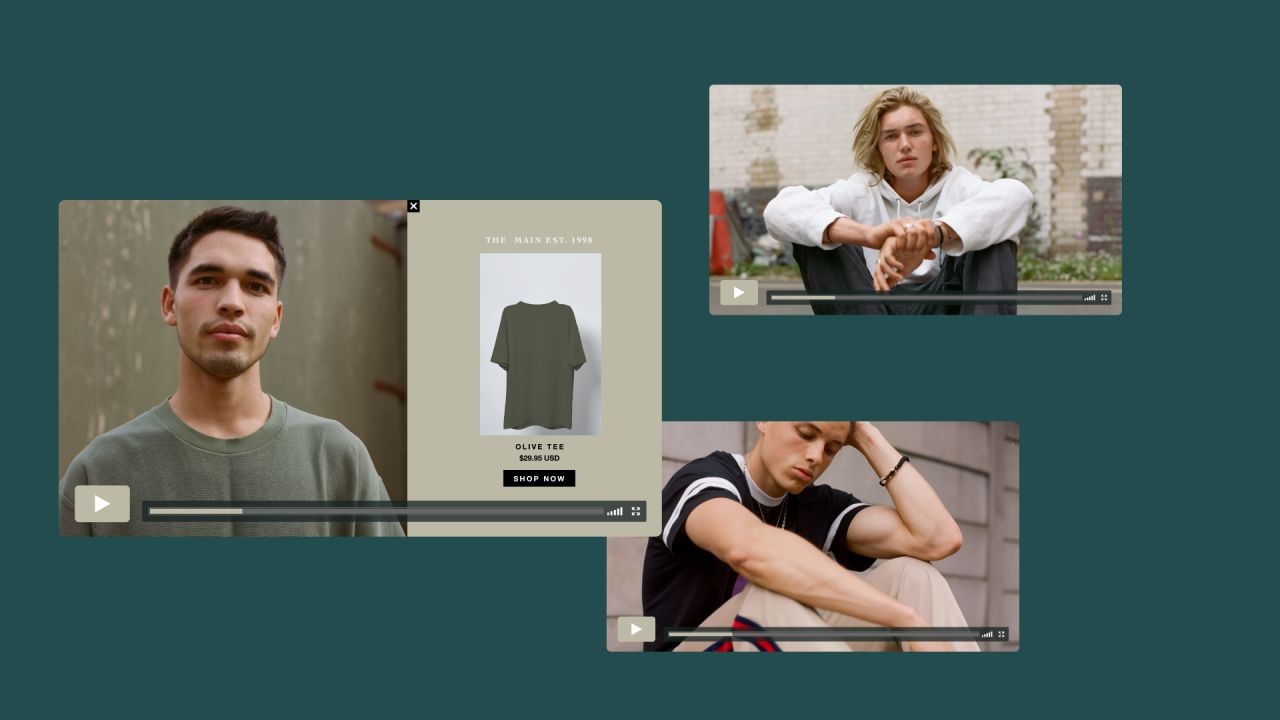
In the bustling world of digital marketing, the marriage between social media and e-commerce is rapidly becoming a game-changer, especially for product brands looking to tap into new audiences. Shoppable videos on platforms like Instagram and TikTok present a revolutionary approach to engaging consumers, enabling them to buy products directly from a video. This trend holds enormous potential for Kiwi brands, given New Zealand's unique market dynamics and tech-savvy population.
Understanding Shoppable Videos
Shoppable videos are interactive clips that allow viewers to purchase products directly from the video interface. This format has gained traction due to its seamless integration of content and commerce, making it easier for brands to convert views into sales.
Why It Matters for New Zealand
- High Social Media Usage: According to Stats NZ, over 80% of New Zealanders are active on social media, making platforms like Instagram and TikTok fertile ground for shoppable content.
- Growing E-commerce Sector: The Ministry of Business, Innovation, and Employment (MBIE) reports a steady increase in e-commerce transactions, further spurred by the COVID-19 pandemic.
Comparative Analysis of Instagram vs. TikTok
Instagram's Strengths
- Mature Audience: Instagram's user base tends to be older and more affluent, aligning with higher purchasing power.
- Established Shopping Features: Instagram Shopping allows for a cohesive brand experience with its integrated product tags and shop buttons.
TikTok's Advantages
- Engagement and Virality: TikTok's algorithm is designed to maximize engagement, offering brands the potential for viral success.
- Younger Demographic: With a predominantly Gen Z audience, TikTok is ideal for brands targeting younger consumers.
Pros and Cons of Shoppable Videos
Pros:
- Higher Conversion Rates: By integrating shopping directly into the content, brands can streamline the customer journey, leading to higher conversion rates.
- Enhanced Customer Engagement: Interactive content tends to capture more attention, increasing time spent on ads.
- Scalability: Easily adaptable for various products and campaigns.
Cons:
- Initial Investment: Setting up shoppable content can require a significant initial investment in technology and creative resources.
- Platform Dependency: Success is often tied to platform algorithms, which can change, affecting reach and engagement.
Case Study: New Zealand Brand Success with Shoppable Videos
Case Study: Icebreaker – Expanding Reach via Instagram
Problem: Icebreaker, a New Zealand merino wool clothing brand, faced challenges in reaching a global audience due to limited physical store presence.
- The brand struggled with low international recognition, impacting online sales and brand awareness.
Action: Icebreaker implemented shoppable Instagram videos to showcase its product range.
- Leveraged influencers to create authentic, engaging content that resonated with international audiences.
- Utilized Instagram’s shopping features to enable direct purchases from posts.
Result:
- Online sales increased by 35% within six months.
- International customer base grew by 20%.
- The engagement rate on Instagram posts improved by 50%.
Takeaway: This case highlights the power of shoppable videos in expanding reach and driving sales, offering a blueprint for other Kiwi brands aiming to scale internationally.
Debunking Myths about Shoppable Videos
- Myth: "Shoppable videos are only for large brands." Reality: Small to medium-sized enterprises (SMEs) can benefit significantly by targeting niche audiences and using cost-effective video production tools.
- Myth: "Consumers find shoppable videos intrusive." Reality: When executed well, these videos enhance the shopping experience by providing immediate product information and purchase options.
Future Trends & Predictions
The future of shoppable videos looks promising, with several trends poised to shape the landscape:
- AI and Personalization: AI will enable more personalized shopping experiences, tailoring product recommendations based on user behavior and preferences.
- Augmented Reality (AR) Integration: AR features will become more prevalent, allowing consumers to visualize products in their environment before purchasing.
- Policy Shifts: As e-commerce regulations evolve, particularly around data privacy, brands will need to adapt their strategies to ensure compliance while maintaining consumer trust.
Final Takeaways
- Shoppable videos offer a dynamic way to engage consumers and drive sales, particularly in New Zealand's vibrant digital landscape.
- While both Instagram and TikTok have unique advantages, a tailored approach considering audience demographics and platform features is key.
- Emerging technologies like AI and AR will further enhance the effectiveness of shoppable content.
Call to Action
Ready to elevate your brand with shoppable videos? Explore the potential of platforms like Instagram and TikTok to transform your digital strategy. Share your experiences and insights in the comments below!
People Also Ask (FAQ)
- How do shoppable videos impact businesses in New Zealand?NZ businesses leveraging shoppable videos report up to 40% higher conversion rates, according to recent industry data.
- What are the biggest misconceptions about shoppable videos?One common myth is that they are only for large brands. However, SMEs can also benefit by targeting niche markets and engaging audiences effectively.
- What are the best strategies for implementing shoppable videos?Experts recommend starting with audience analysis, creating engaging content, and utilizing platform-specific shopping features for optimal results.
Related Search Queries
- Shoppable Instagram features
- TikTok marketing strategies for brands
- Interactive video ads effectiveness
- Social commerce trends in New Zealand
- How to create shoppable videos
For the full context and strategies on Shoppable Instagram & TikTok Videos for Kiwi Product Brands, see our main guide: Retail Ecommerce Video Marketing Nz.