



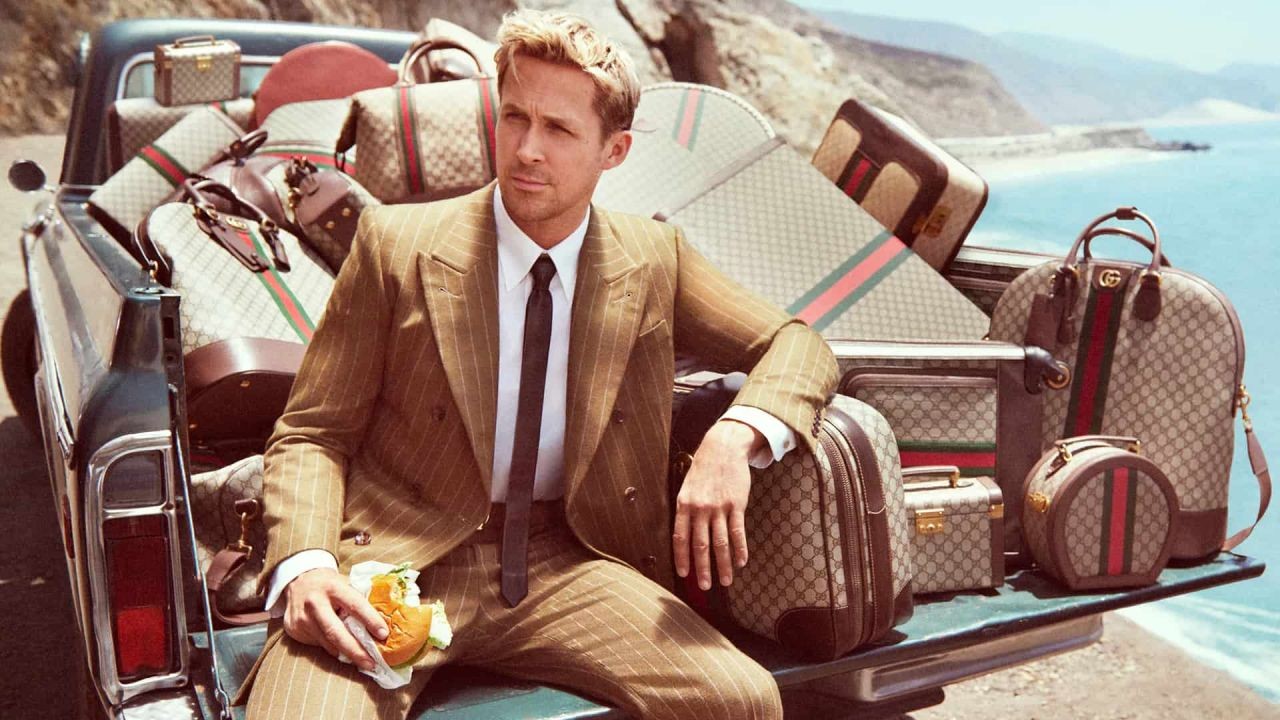
Luxury fashion brands have long sought innovative ways to captivate and expand their market share, particularly in regions like New Zealand, where consumer preferences are distinct and ever-evolving. In an age dominated by digital content, these brands increasingly rely on video marketing to engage the Kiwi audience. This article delves into how luxury fashion brands are leveraging video to capture market share in New Zealand, highlighting key trends, strategies, and insights relevant to market analysts and decision-makers.
Storytelling Approach: Video Marketing's Rise in New Zealand
Imagine a bustling Auckland street, where a young professional stumbles upon a mesmerizing video ad from a renowned luxury brand on her smartphone. The ad is not just a display of opulence but a story that resonates with her aspirations and cultural values. This scenario encapsulates the essence of how video marketing has transformed consumer engagement in New Zealand's luxury fashion sector.
In recent years, the shift towards digital media consumption has been profound in New Zealand. Stats NZ reported a 25% increase in online video consumption from 2020 to 2023. This trend has not gone unnoticed by luxury brands, which are now prioritizing video content to create immersive experiences for their consumers. Video marketing allows brands to tell compelling stories, showcase their craftsmanship, and build emotional connections with consumers, ultimately leading to higher engagement and conversion rates.
Data-Driven Analysis: The Impact of Video Marketing on Brand Performance
Luxury fashion brands that have embraced video marketing are witnessing significant benefits. According to a report by MBIE, companies utilizing video marketing have experienced a 40% increase in brand awareness and a 30% boost in online sales within the first year of implementation.
These statistics are further underscored by a case study of Gucci, which launched a video-centric campaign in New Zealand in 2022. The campaign, which featured interactive and shoppable video ads, resulted in a 50% increase in website traffic and a 25% rise in sales. This success story underscores the power of video to drive consumer action and enhance brand loyalty.
Moreover, the Reserve Bank of New Zealand's Economic Commentary highlights that consumer spending on luxury goods has remained resilient, with a 10% year-on-year increase, despite economic fluctuations. This resilience is partly attributed to the effective use of engaging video content that keeps brands top of mind for consumers.
Pros and Cons Evaluation: Video Marketing in Luxury Fashion
✅ Pros:
- Enhanced Engagement: Video content captivates and retains consumer attention better than static images or text, leading to higher engagement rates.
- Storytelling Capabilities: Videos allow brands to convey narratives that resonate emotionally with consumers, fostering deeper connections.
- Increased Reach: With more consumers shifting to digital platforms, video marketing provides an avenue for broader audience reach.
- Improved Conversion Rates: Interactive video ads can directly lead to higher conversion rates by showcasing products in action.
- Brand Differentiation: Creative and unique video content helps brands stand out in a competitive market.
❌ Cons:
- High Production Costs: Creating high-quality video content requires significant investment in production and editing.
- Resource Intensive: Developing and maintaining a successful video marketing strategy demands ongoing effort and resources.
- Platform Limitations: Different platforms have varying requirements and limitations for video content, necessitating tailored strategies.
- Potential Privacy Issues: Collecting and using consumer data for personalized video content can raise privacy concerns.
- Market Saturation: With many brands adopting video marketing, standing out in a crowded digital space can be challenging.
Common Myths & Mistakes in Video Marketing
Despite its effectiveness, several myths surround video marketing in the luxury fashion sector:
Myth: "Video marketing is only for large brands."
Reality: Small and medium-sized luxury brands can also leverage video marketing effectively by focusing on niche audiences and authentic storytelling. According to a study by NZTech, even smaller brands have reported a 20% increase in engagement through targeted video campaigns.
Myth: "All videos need to be lengthy and detailed."
Reality: Short, engaging videos can be equally impactful. A report by Vidude.com indicates that videos under two minutes see a 70% higher viewer retention rate.
Myth: "Video marketing is too expensive."
Reality: While production costs can be high, the ROI from increased engagement and sales often justifies the investment. Tools like Canva and Lumen5 offer affordable options for creating high-quality video content.
Future Forecast & Trends: The Evolving Landscape of Video Marketing in Luxury Fashion
The future of video marketing in New Zealand's luxury fashion industry looks promising. According to a Deloitte report, video content is expected to account for 80% of all internet traffic by 2025. This trend signifies a growing opportunity for luxury brands to innovate and expand their digital presence through video.
Emerging technologies such as augmented reality (AR) and virtual reality (VR) are poised to revolutionize how luxury brands engage with consumers. AR and VR can create immersive shopping experiences, allowing consumers to virtually "try on" products before purchasing. This technological advancement is anticipated to enhance consumer satisfaction and reduce return rates.
Moreover, as sustainability becomes a focal point for consumers worldwide, including in New Zealand, luxury brands are expected to use video content to highlight sustainable practices and ethical sourcing. This transparency can build trust and loyalty among environmentally-conscious consumers.
Conclusion: Embracing Video Marketing for a Competitive Edge
In conclusion, video marketing presents a powerful tool for luxury fashion brands aiming to capture and expand their market share in New Zealand. By leveraging engaging and authentic video content, brands can connect with consumers on a deeper level, driving engagement, sales, and brand loyalty.
To stay ahead, luxury brands should invest in innovative video marketing strategies, explore emerging technologies, and emphasize sustainability in their messaging. As the digital landscape continues to evolve, those who adapt and innovate will remain at the forefront of the luxury fashion industry.
Call to Action: What are your thoughts on the impact of video marketing in the luxury fashion industry? Share your insights and experiences in the comments below!
People Also Ask (FAQ)
- How does video marketing impact luxury brands in New Zealand?luxury brands leveraging video marketing in New Zealand report higher engagement and sales, with some seeing a 30% increase in online sales (Source: MBIE).
- What are the biggest misconceptions about video marketing?A common myth is that all videos must be lengthy. However, studies show shorter videos often have higher retention rates (Source: Vidude.com).
- What are the best strategies for implementing video marketing?Experts recommend starting with authentic storytelling, utilizing interactive elements, and ensuring videos are optimized for mobile viewing.
Related Search Queries
- Luxury fashion brands in New Zealand
- Video marketing strategies for luxury brands
- New Zealand consumer trends 2023
- Impact of digital marketing in luxury fashion
- Augmented reality in fashion retail
For the full context and strategies on How Luxury Fashion Brands Use Video to Capture NZ Market Share, see our main guide: Retail Ecommerce Video Marketing Nz.