




In the vibrant tapestry of Australian outdoor life, a question often debated among enthusiasts is whether traditional campgrounds offer a better experience than free camping. As the allure of the great outdoors beckons, Australians face a choice: the familiar comforts of structured campgrounds or the raw allure of free camping. With over 70% of Australians participating in some form of outdoor activity annually (Source: Australian Bureau of Statistics), this is more than a mere preference—it's a cultural dialogue. This article delves into the advantages and drawbacks of both options, offering expert insights and data-backed analysis to guide your next adventure.
For Australians embracing the outdoors, the choice between traditional campgrounds and free camping is a frequent debate. From the beaches of New South Wales to the forests of Victoria and the rugged Outback, both options offer unique experiences, costs, and conveniences. Understanding the advantages and challenges of each approach helps Aussie travelers make informed decisions that match their comfort level, budget, and travel goals.
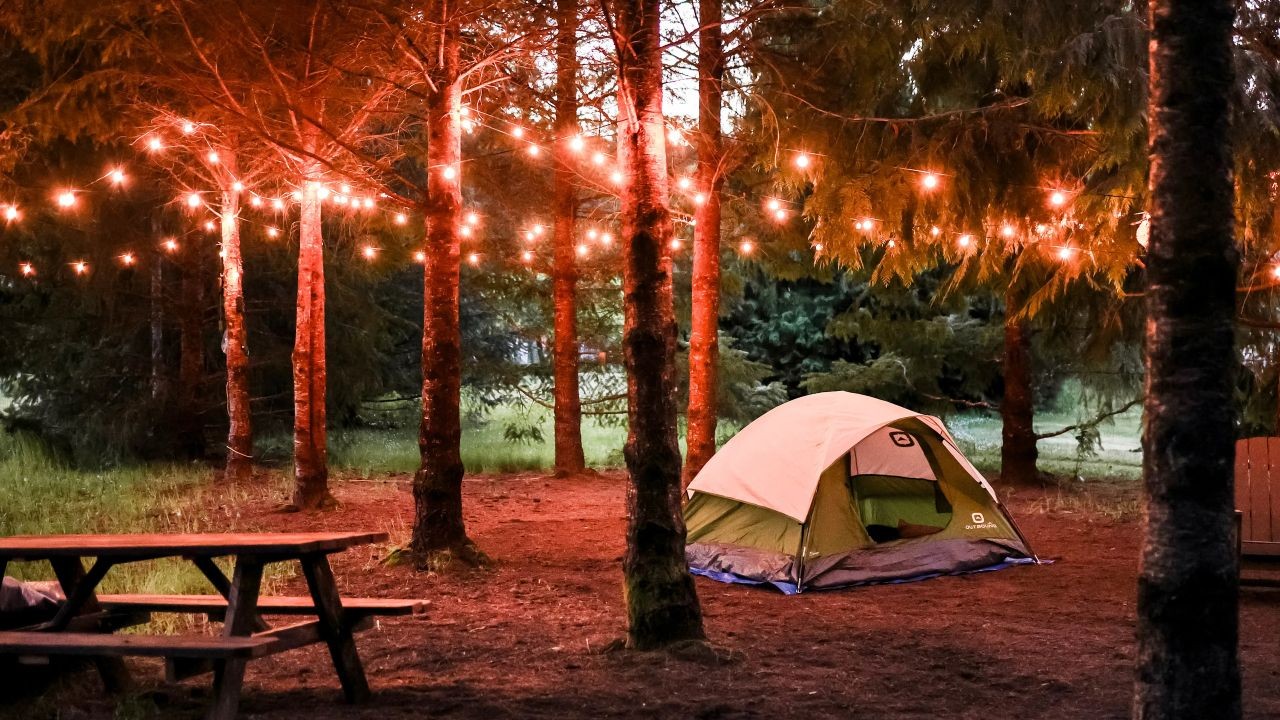
Traditional campgrounds provide structure, safety, and a range of amenities that many Australians value. Facilities such as powered sites, clean bathrooms, showers, and access to potable water create a comfortable and predictable camping experience. Families, first-time campers, and travelers seeking reliability often prefer campgrounds for these conveniences, which reduce stress and make extended trips more enjoyable. In addition, many campgrounds in Australia are managed by councils or private operators, offering security and regular maintenance.
Free camping, in contrast, offers unparalleled freedom and cost savings, which appeals to adventurers and budget-conscious Aussies. Locations are often remote, quiet, and closer to natural beauty, such as coastal cliffs, bushlands, or national park edges. However, the lack of facilities means travelers must be self-sufficient, carrying their own water, waste disposal systems, and power sources. While free camping allows more flexibility and a closer connection to nature, it also comes with challenges that can deter less experienced campers.
Legal regulations and environmental considerations are critical in Australia. Free camping is often restricted to specific areas, and rules vary by state and local council. Violating these rules can result in fines or removal, and irresponsible camping can harm sensitive ecosystems. Traditional campgrounds, by contrast, are designed to manage environmental impact and often provide educational resources for visitors. For Australians who value sustainability and legal compliance, this makes structured camping a safer choice.
Social aspects also influence the choice. Campgrounds often facilitate community, offering spaces to meet other travelers, share stories, and participate in organized activities. Free camping, while peaceful and private, can be isolating, particularly for solo travelers. Some Australians enjoy the solitude and adventure, while others miss the camaraderie and support networks that campgrounds provide.
Costs and convenience are another consideration. Traditional campgrounds require fees that can add up over long trips, while free camping allows longer travel with minimal expense. However, the savings come with trade-offs in comfort, security, and access to facilities. Australian travelers must weigh these factors against the length of their journey, the season, and the type of terrain they plan to explore, from the Snowy Mountains to the Kimberley region.
Ultimately, the decision between traditional campgrounds and free camping depends on priorities. Campgrounds excel in comfort, safety, and amenities, making them ideal for family trips, beginners, or those seeking convenience. Free camping appeals to those seeking independence, adventure, and cost-effective exploration, but requires careful planning, self-reliance, and adherence to local rules. Understanding the benefits and challenges of each approach allows Australians to craft a camping experience that suits their lifestyle and adventure goals.
The Lure of Traditional Campgrounds
Traditional campgrounds have long been the backbone of Australian outdoor culture, offering structured and often family-friendly environments. They come equipped with amenities such as showers, toilets, and electricity, providing comfort and convenience for campers. These facilities are particularly appealing to families and less experienced campers who prefer the security of knowing what to expect.
According to a recent report by the Reserve Bank of Australia, the camping industry contributes significantly to the local economy, with an estimated annual revenue of AUD 5 billion. This is in part due to the structured experiences that campgrounds offer, making them a popular choice for tourists and local families alike.
Pros of Traditional Campgrounds
- Convenience and Comfort: Access to amenities such as restrooms and showers offers a level of comfort that free camping cannot match.
- Security: With designated sites and often on-site management, campgrounds provide a secure environment, especially appealing for families.
- Community Atmosphere: Traditional campgrounds often foster a sense of community, with organized activities and the opportunity to connect with fellow campers.
Cons of Traditional Campgrounds
- Cost: The fees associated with campgrounds can add up, especially for longer stays.
- Crowding: Popular campgrounds can become crowded, particularly during peak seasons, detracting from the serenity of the experience.
- Regulations: Strict rules and regulations can limit the spontaneity that some campers seek.
The Freedom of Free Camping
In contrast, free camping offers a different kind of allure—one of raw, unfiltered connection with nature. It allows campers to pitch their tents in unrestricted areas, offering a sense of freedom and adventure that structured campgrounds may lack. This form of camping is gaining popularity among seasoned adventurers seeking solitude and a deeper connection with the environment.
Free camping also aligns with sustainable tourism practices, a growing trend in Australia. By reducing the carbon footprint associated with infrastructure-heavy campgrounds, free camping supports environmental conservation efforts—a priority reflected in Australia's commitment to sustainability, as outlined by the Commonwealth Scientific and Industrial Research Organisation (CSIRO).
Pros of Free Camping
- Cost-Effective: With no camping fees, free camping is an attractive option for budget-conscious adventurers.
- Flexibility: Campers can choose their location, allowing for a personalized experience away from the crowds.
- Connection with Nature: Being fully immersed in the natural environment offers a unique, often more profound camping experience.
Cons of Free Camping
- Lack of Amenities: The absence of basic facilities can be challenging, especially for families or inexperienced campers.
- Safety Concerns: Without the security of a designated site, campers may face risks from wildlife or isolation.
- Legal Restrictions: Free camping is not allowed everywhere, and campers must be aware of local regulations to avoid fines.
Expert Insights and Real-World Examples
Creel Price, a venture capitalist and startup advisor, notes, "The choice between traditional campgrounds and free camping often reflects a deeper personal philosophy towards travel and adventure. While campgrounds offer predictability, free camping offers the thrill of the unknown, which can be both exciting and daunting."
A case study of the Cape York Peninsula, renowned for its remote beauty, illustrates the free camping appeal. Visitors to this region often seek the isolation and unspoiled landscapes that free camping provides. However, they must be prepared for the challenges of self-sufficiency and environmental responsibility.
Conversely, the Great Ocean Road offers a plethora of traditional campgrounds catering to tourists looking for a blend of nature and convenience. These campgrounds boost local economies by attracting significant tourist traffic, underscoring the economic benefits of structured camping experiences.
Common Myths and Misconceptions
Several myths persist about both camping options, often clouding judgment:
- Myth: Free camping is illegal everywhere in Australia. Reality: While some areas restrict free camping, many regions allow it, provided campers adhere to local regulations.
- Myth: Traditional campgrounds are always crowded and noisy. Reality: Off-peak seasons and less popular sites offer tranquil experiences even in established campgrounds.
- Myth: Free camping is unsafe. Reality: With proper planning and safety measures, free camping can be a safe and rewarding experience.
Future Trends and Predictions
As Australia continues to embrace sustainable tourism, free camping is likely to gain traction, especially among younger generations valuing eco-friendly practices. According to projections by Deloitte, the demand for sustainable travel options is expected to grow by 30% over the next decade, with free camping playing a significant role in this shift.
Traditional campgrounds, however, will not fade into obscurity. Instead, they are expected to evolve with technological advancements, incorporating smart amenities and eco-friendly infrastructure to enhance the camping experience.
Conclusion
The decision between traditional campgrounds and free camping ultimately depends on personal preferences and priorities. Whether you seek the comfort of structured amenities or the thrill of open nature, Australia's diverse landscapes offer something for every adventurer.
In conclusion, both traditional campgrounds and free camping offer unique ways to experience Australia’s diverse landscapes. By evaluating comfort, safety, cost, environmental impact, and social factors, Aussies can make informed choices that enhance their travel experience. Whether enjoying the structured convenience of a well-equipped campground or embracing the freedom and adventure of free camping, the right approach ensures a memorable, safe, and enjoyable journey across Australia’s remarkable outdoors.
What's your take on the camping debate? Share your insights and experiences below! For those ready to explore Australia's breathtaking outdoors, consider both options and embark on an adventure tailored to your desires.
People Also Ask (FAQ)
- Why choose traditional campgrounds over free camping? Traditional campgrounds offer structured amenities, security, and a community atmosphere, ideal for families and less experienced campers.
- Is free camping legal in Australia? Free camping is allowed in many areas, but campers must adhere to local regulations to avoid fines.
- How does free camping support sustainability? Free camping reduces infrastructure-related carbon footprints, aligning with eco-friendly tourism practices.
Related Search Queries
- Traditional campgrounds vs. free camping
- Best free camping spots in Australia
- Eco-friendly camping practices
- Sustainable tourism trends in Australia
- Camping regulations in Australia
For the full context and strategies on Are Traditional Campgrounds Better Than Free Camping? – The Australian Angle You’ve Overlooked, see our main guide: Investment Wealth Videos Australia.