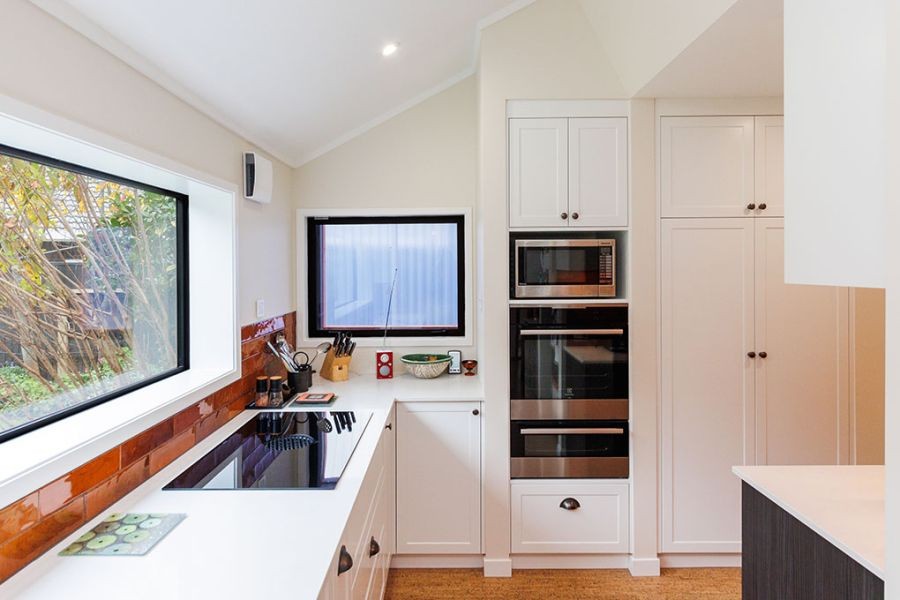






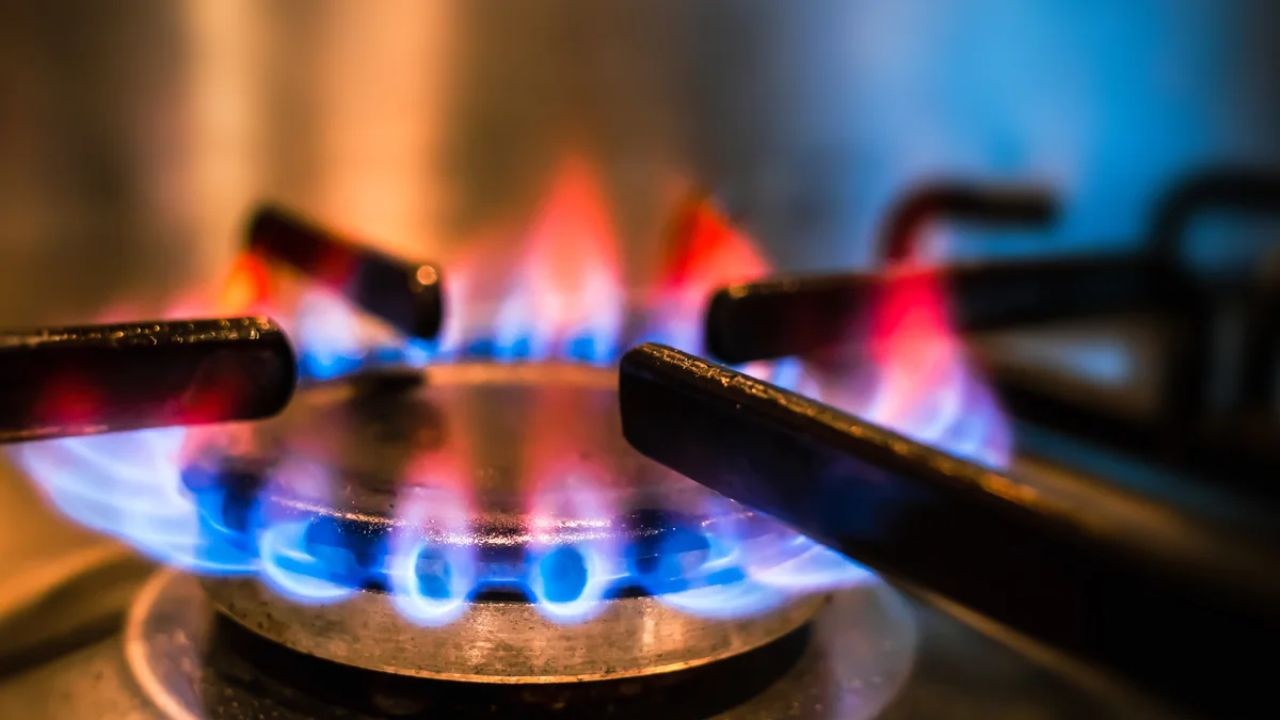
In the debate between electric and gas stoves, Australian households face a critical choice that impacts not only their culinary experiences but also their environmental footprint and energy costs. This decision is particularly relevant as Australia aims to meet its climate goals, with the government committing to a net-zero emissions target by 2050. Let's delve into the data, industry insights, and real-world case studies to determine which option might be better for home cooking in Australia.
Energy Efficiency and Cost Analysis
One of the primary considerations when choosing between electric and gas stoves is energy efficiency and cost. According to the Australian Energy Regulator (AER), gas stoves typically have a lower operational cost compared to electric stoves, primarily due to the lower price of natural gas in Australia. However, electric stoves, especially those using induction technology, are more energy-efficient. The Australian Bureau of Statistics (ABS) reports that induction stoves can be up to 90% efficient, whereas gas stoves only achieve about 40-60% efficiency.
Case Study: A family in Melbourne switched from a traditional gas stove to an induction stove and reported a 25% reduction in their monthly energy bills, according to a study by the Australian Institute of Family Studies. This suggests that while the initial investment in electric stoves might be higher, the long-term savings can be substantial.
Environmental Impact
Australia's climate policy heavily influences the choice of kitchen appliances, with a growing emphasis on reducing carbon footprints. Gas stoves contribute to greenhouse gas emissions through the combustion of fossil fuels. The Climate Council of Australia highlights that gas appliances in homes are responsible for approximately 12% of the country’s carbon emissions.
In contrast, electric stoves, particularly those powered by renewable energy, offer a more sustainable option. The Australian Renewable Energy Agency (ARENA) notes that the proportion of renewable energy in the national grid has increased to 27% as of 2023, making electric stoves an increasingly eco-friendly choice.
Cooking Performance and User Experience
When it comes to cooking performance, gas stoves are often praised for their immediate heat control, which is preferred by many professional chefs. Electric stoves, particularly induction models, offer precise temperature control and faster heating times.
Pros of Gas Stoves:
- Instant heat and precise control.
- Preferred by many chefs for specific cooking techniques.
- Generally lower upfront cost.
Cons of Gas Stoves:
- Higher carbon emissions.
- Less energy-efficient.
- Potential safety hazards with open flames.
Pros of Electric Stoves:
- Higher energy efficiency, especially induction models.
- Better for the environment, especially with renewable energy sources.
- Safer with no open flames.
Cons of Electric Stoves:
- Higher initial cost, particularly for induction models.
- Slower heat control response compared to gas.
- Dependent on electricity availability.
Regulatory Insights and Future Trends
The Australian Competition & Consumer Commission (ACCC) has been instrumental in regulating appliance efficiency standards, pushing for more sustainable options. As Australia progresses towards its net-zero emissions target, it is likely that regulations will favor electric and induction stoves, aligning with the country’s renewable energy goals.
According to a report by the Commonwealth Scientific and Industrial Research Organisation (CSIRO), by 2030, electric stoves powered by renewables could become the standard in Australian homes, reducing reliance on fossil fuels and supporting the national commitment to sustainability.
Myths and Misconceptions
Myth: Gas stoves are always cheaper than electric stoves.
Reality: While gas stoves have lower upfront costs, electric stoves, particularly induction models, can lead to long-term savings due to their higher efficiency (Source: ABS).
Myth: Electric stoves are not suitable for serious cooking.
Reality: Induction stoves offer precise heating and are increasingly used by professional chefs globally (Source: CSIRO).
Conclusion
Choosing between an electric and gas stove involves weighing various factors, including cost, environmental impact, and cooking performance. For Australian households committed to sustainability and long-term savings, electric stoves, particularly induction models, represent a forward-thinking choice. As renewable energy becomes more prevalent in Australia, the shift towards electric stoves is likely to accelerate.
What’s your preference for home cooking in Australia? Share your thoughts and experiences below!
People Also Ask (FAQ)
- How do electric stoves impact energy costs in Australia? Electric stoves, especially induction models, can reduce energy costs by up to 25% due to higher efficiency compared to gas (Source: ABS).
- What are the environmental benefits of using electric stoves? Electric stoves reduce carbon emissions, especially when powered by renewable energy, aligning with Australia’s climate goals (Source: Climate Council).
- Are gas stoves better for professional cooking? Gas stoves offer instant heat control preferred by chefs, but induction stoves provide precise temperature control and are increasingly favored in professional kitchens (Source: CSIRO).
Related Search Queries
- Electric stove vs gas stove efficiency
- Environmental impact of gas stoves
- Cost comparison of electric and gas stoves
- Induction stove benefits Australia
- Gas stove emission regulations Australia
- Renewable energy and electric stoves
- Electric stove safety features
- Australian climate policy on home appliances
- Energy-efficient kitchen appliances Australia
- Future trends in cooking appliances Australia