




For the venture capitalist, every asset class tells a story of risk, return, and underlying value drivers. While our portfolios are typically dominated by SaaS, fintech, and deep tech, there is immense analytical value in examining mature, high-touch consumer sectors. The Australian wine tourism industry presents a compelling, often overlooked case study in experiential luxury, brand equity resilience, and strategic diversification. It is not merely a leisure pursuit; it is a sophisticated ecosystem with tangible lessons in consumer psychology, vertical integration, and navigating macroeconomic headwinds. Viewing premium winery estates through an investment lens reveals why they have evolved into Australia's perfect weekend escape—a convergence of asset strength, consumer demand, and strategic market positioning that offers more than just a pleasant glass of Shiraz.
The Investment Thesis: Beyond the Cellar Door
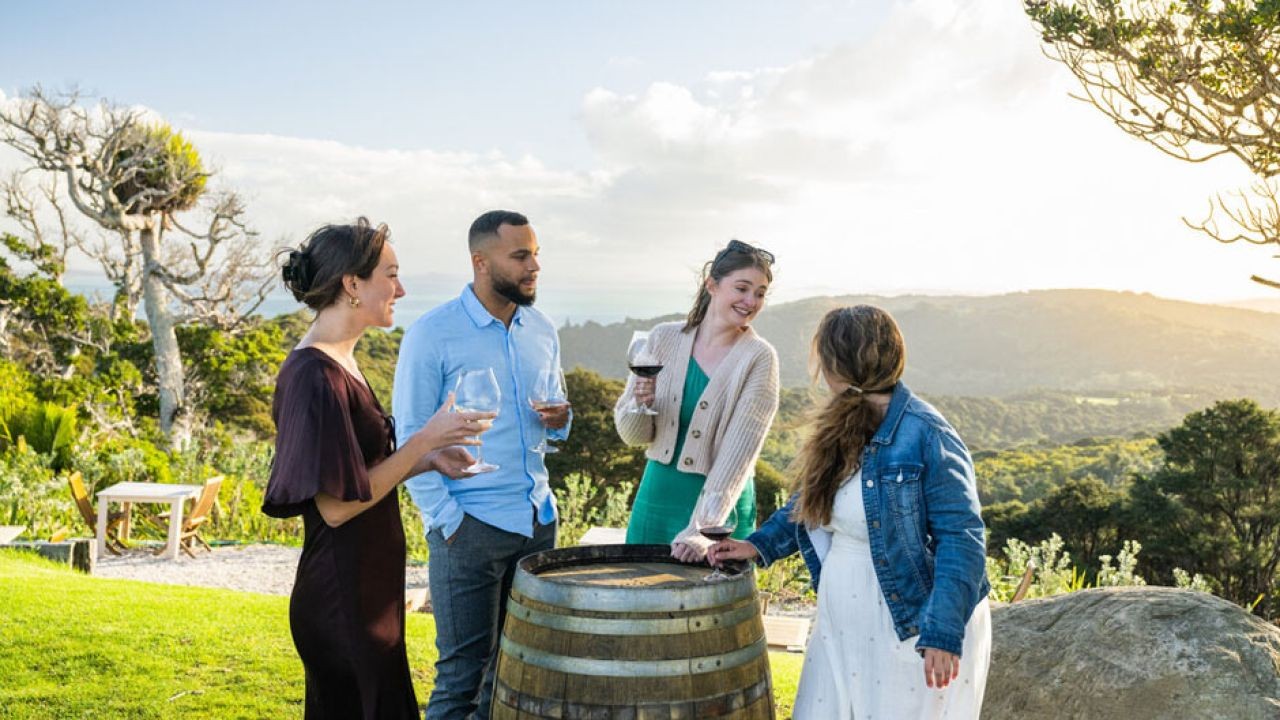
At its core, a successful winery is a vertically integrated business model. It controls production from vine to bottle, but its most significant value accretion often occurs at the point of direct consumer experience: the cellar door. According to Wine Australia's latest data, direct-to-consumer sales—primarily driven by cellar door and wine club memberships—contributed over $1.1 billion in revenue in the 2022-23 period. This channel typically commands the highest margin, bypassing distributor and retailer markups. For the visitor, this translates to exclusive access, limited releases, and a narrative-driven purchase. From consulting with local businesses across Australia, I've observed that wineries mastering this model achieve customer lifetime values that dwarf traditional retail. The weekend escape is, in essence, a high-conversion brand immersion event.
A Strategic Hedge Against Digital Fatigue
The post-pandemic consumer shift towards experiences over goods is well-documented, but its Australian manifestation is particularly pronounced in regional tourism. The Australian Bureau of Statistics reports that domestic overnight trip expenditure reached $78.5 billion in the year ending September 2023, with food and wine tourism being a primary motivator. For the time-poor professional or investor, a winery weekend offers a curated, high-quality experience with minimal planning friction. It is a tangible, sensory counterbalance to a world of screen-based abstraction. This isn't just a trend; it's a reallocation of discretionary spending towards memory-making assets, a sector where premium wineries are exceptionally positioned.
Deconstructing the Value Proposition: Six Asset Strengths
1. Land as a Scarce, Appreciating Asset
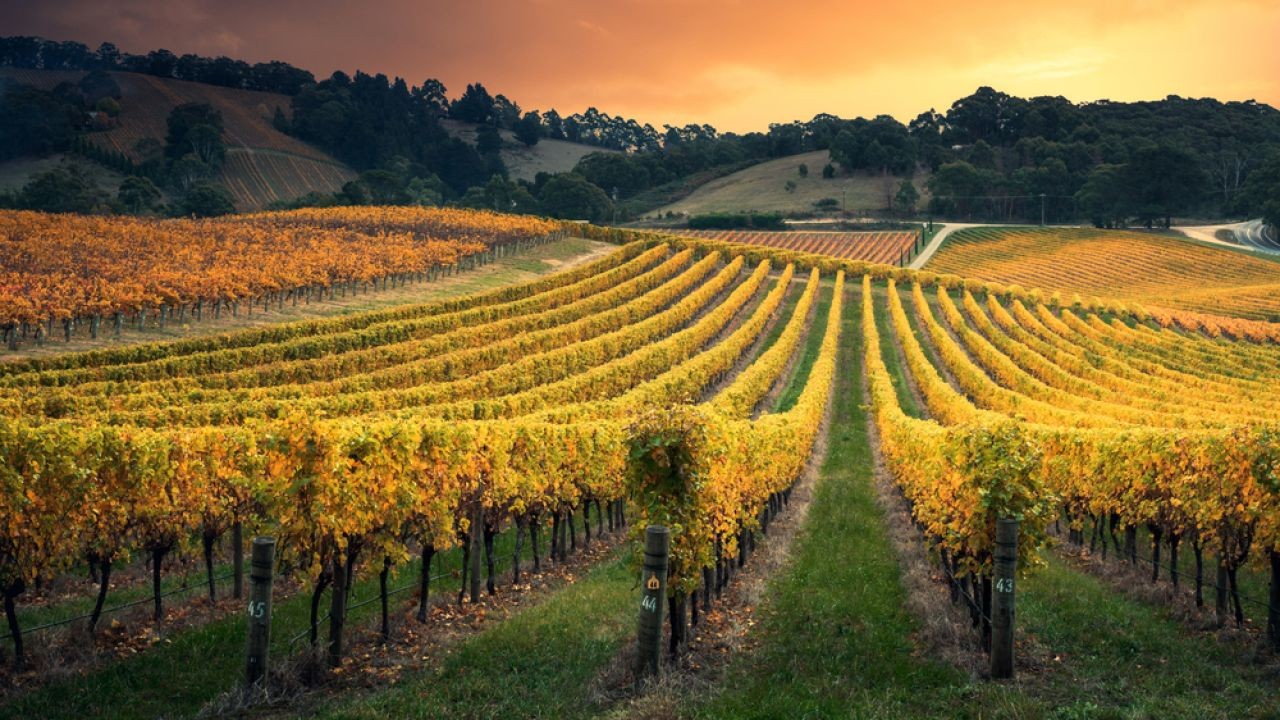
Prime viticultural land in established regions like the Barossa Valley, Margaret River, or Tasmania is finite. Its value is underpinned by terroir—a unique combination of climate, soil, and aspect that cannot be replicated. This creates a natural moat. While cyclical agricultural challenges exist, the long-term trajectory of strategic land holdings in these regions has shown resilience. It’s a real asset play, often with multi-generational ownership, providing a stability that contrasts with the volatility of more speculative tech assets.
2. Brand Story as Intellectual Property
A winery’s most potent asset is its narrative. The story of a family-owned vineyard, a pioneering winemaker, or a unique biodynamic practice is intellectual property that fuels premium pricing and loyalty. In my experience supporting Australian companies, those that invest authentically in their story—through architecture, guided tours, and maker meet-and-greets—create emotional equity that transcends the product itself. This brand IP defends against private label competition and builds a club-like community of repeat visitors and direct-order subscribers.
3. Revenue Diversification and High-Margin Streams
The modern winery is a multi-revenue engine. Beyond bottle sales, it encompasses:
- High-margin hospitality: On-site restaurants with chef-hatted offerings often command higher profitability per square metre than standalone city venues.
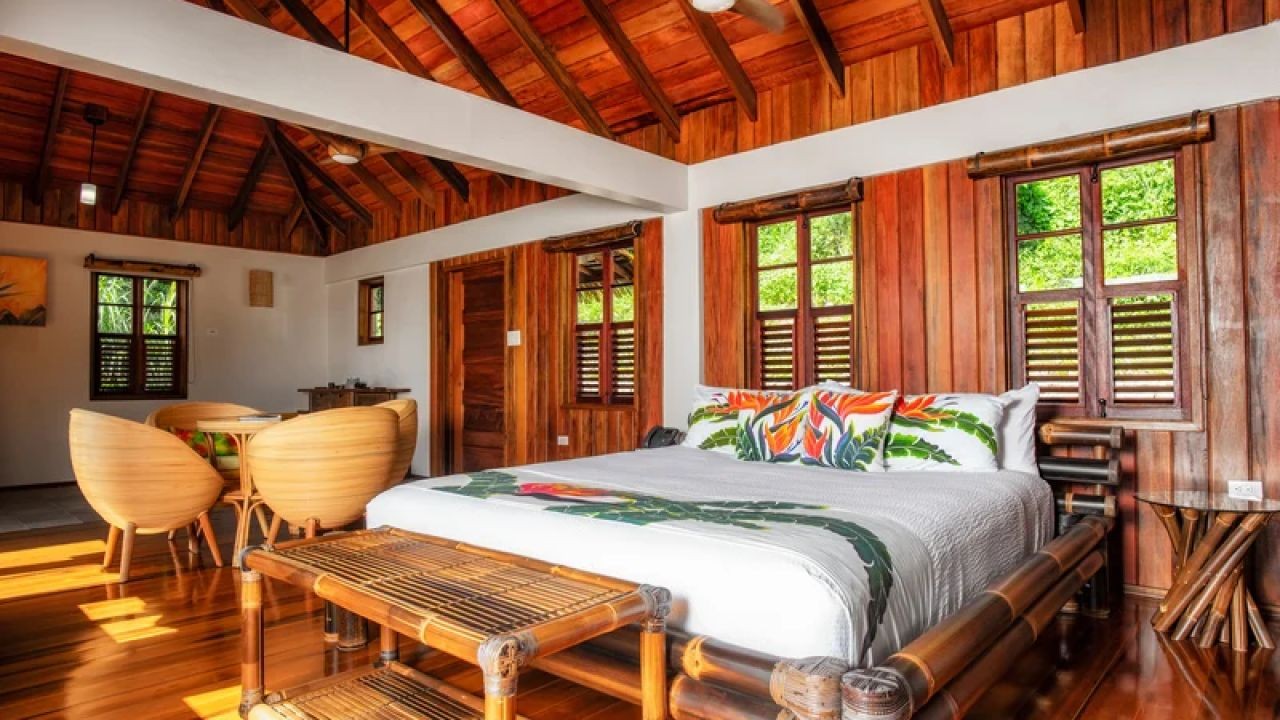
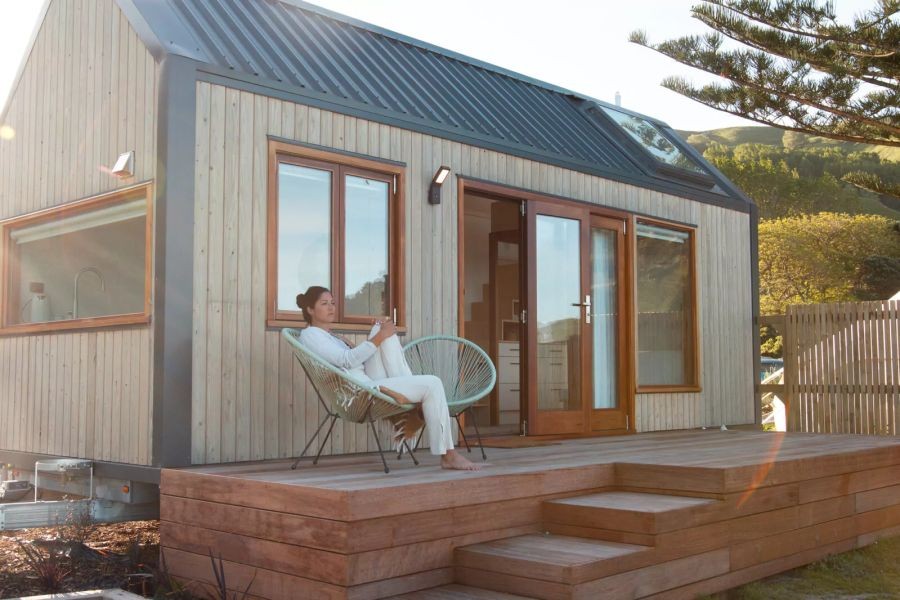
- Accommodation: Luxury villas or lodgings capture the full weekend expenditure, increasing average spend per visit dramatically.
- Event hosting: Weddings, corporate retreats, and festivals provide large, lump-sum revenue injections.
- Luxury retail: Curated artisanal product lines, from olive oil to ceramics.
This diversification acts as a natural hedge. A challenging vintage may impact core production, but a fully booked events calendar and accommodation can sustain cash flow.
4. The "Phygital" Flywheel: Online to Offline Conversion
The weekend visitor is not a discrete transaction. They are the culmination of a marketing funnel. A consumer might discover a winery via its social media content, join its wine club for monthly deliveries, and then be incentivised to visit for an exclusive members' tasting. This visit solidifies loyalty, increases average order value, and turns the customer into a brand advocate. Having worked with multiple Australian startups in the DTC space, the most sophisticated wineries operate this flywheel seamlessly, using data from online sales to personalise the on-ground experience, creating a powerful feedback loop that drives lifetime value.
5. Regional Clustering and Destination Appeal
Wineries rarely exist in isolation. They form clusters, creating a destination ecosystem that benefits all participants. A visitor to McLaren Vale will visit multiple estates, stay in local accommodation, and dine at regional restaurants. This clustering reduces customer acquisition costs through collective marketing and creates a network effect that draws visitors further. It mirrors the strategic advantage of tech hubs like Silicon Valley or Sydney's Tech Central, where concentration attracts talent, capital, and attention.
6. Resilience and Counter-Cyclical Nuances
While luxury goods can be cyclical, the premium experience sector often demonstrates resilience during economic uncertainty. The weekend escape serves as a "mini-break" substitute for more expensive international travel—a phenomenon observed during various economic downturns. Furthermore, the core wine club membership model provides subscription-like recurring revenue, offering visibility and stability that is highly valued in any investment context.
Where Most Brands Go Wrong: Costly Strategic Errors
Despite the robust model, failures occur. Through my projects with Australian enterprises, I've identified common pitfalls that erode value:
- Undercapitalising the Experience: Treating the cellar door as an afterthought rather than the brand's flagship store. This manifests in poor staffing, uninspired tastings, and a lack of immersive elements. The solution is to allocate CAPEX and OPEX to the visitor experience with the same rigour as the winemaking itself.
- Neglecting Data Integration: Failing to link cellar door POS systems with e-commerce and CRM platforms. This leaves a wealth of consumer insight untapped. Implementing a unified customer data platform is no longer optional for scaling DTC revenue.
- Overextension into Hospitality: Launching a fine-dining restaurant without the operational expertise can be a cash-burning distraction. The solution is often strategic partnerships with established hospitality groups, sharing risk and leveraging specialist skills.
- Inconsistent Brand Messaging: A disconnect between the premium, authentic story told online and the reality of a commercial, impersonal visit. Every touchpoint must be meticulously curated to align with the brand promise.
Case Study: The Skillogalee Transformation – From Producer to Destination
Problem: Skillogalee, a well-regarded producer in the Clare Valley, historically derived most revenue from wholesale and cellar door bottle sales. While respected, it was not capturing the full value of its location or visitor potential. Revenue was seasonal and vulnerable to wholesale market fluctuations.
Action: The owners strategically invested in transforming their property into a holistic destination. This included expanding and elevating their on-site restaurant to a multi-award-winning dining experience, developing luxury on-site accommodation, and curating garden and vineyard walking trails. They tightly integrated their wine narrative into every element, from restaurant pairings to in-room amenities.
Result: The transformation led to a significant business model shift:
- Average visitor spend increased by over 300%, as guests now booked lunches, stays, and purchased wine.
- They achieved year-round demand, with accommodation driving visits during traditional off-peak seasons.
- Direct-to-consumer sales became the dominant and highest-margin revenue channel, insulating the business from wholesale pressures.
Takeaway: Skillogalee’s success underscores the power of deepening the customer experience to capture greater value per visit. For Australian businesses, this case demonstrates that even in a traditional industry, a strategic pivot towards premium, integrated experiences can dramatically improve financial resilience and brand equity. The lesson for investors is to look for operators who understand their asset as a multi-faceted experience platform, not just a production facility.
The Regulatory and Macroeconomic Landscape
Operating in this sector requires navigating specific Australian regulations. The Australian Taxation Office (ATO) provisions for small producer rebates and the Wine Equalisation Tax (WET) can significantly impact cash flow and need strategic management. Furthermore, land use regulations in prized regions, often overseen by state-level planning bodies, are becoming stricter, affecting expansion plans and increasing the value of existing entitled land. From observing trends across Australian businesses, those with proactive regulatory engagement and sophisticated tax structuring hold a distinct advantage.
Macro-economically, the sector faces dual pressures from climate variability and international trade dynamics. However, these challenges also drive innovation—in water management, sustainable viticulture, and exploring emerging cooler-climate regions. The Australian government’s recent $5.5 million investment in a Wine Tourism and Cellar Door Grant program highlights the recognised economic value of this sector, providing a tailwind for strategic upgrades and marketing.
Future Trends & Predictions: The Next Vintage of Growth
The evolution of Australian wine tourism is moving towards even greater sophistication and personalisation.
- Hyper-Personalisation via Tech: Expect wider use of AI-driven recommendations at cellar doors, where a quick profile scan suggests tailored tastings, and augmented reality vineyard tours explaining viticultural practices.
- Wellness Integration: The next frontier is blending wine tourism with wellness—vineyard yoga, vinotherapy spas, and health-focused food pairings—catering to the holistic well-being trend.
- Carbon-Neutral & Regenerative Tourism: Consumers increasingly seek brands with authentic sustainability credentials. Wineries that can market certified carbon-neutral status or regenerative farming practices will command a premium. Drawing on my experience in the Australian market, I predict that within five years, a sustainability rating will be as influential in a consumer's choice of winery visit as its wine scores are today.
- Fractional Ownership & Investment Models: We may see the rise of sophisticated syndication models allowing investors to buy shares in premium vineyard estates, sharing in both the agricultural yield and tourism revenue—a new asset class blending agri-tech, real estate, and hospitality.
Final Takeaways & Strategic Call to Action
The Australian winery as a weekend escape is a masterclass in building a resilient, experience-driven business. For the venture mind, it illustrates fundamental principles: the value of vertical integration, the power of direct consumer relationships, and the premium commanded by authentic stories and scarce assets.
For Investors & Analysts: Look beyond the bottle. Evaluate these estates on their land value, brand IP strength, revenue diversification, and the sophistication of their customer data integration. The metric that matters is not just cases sold, but lifetime value of a visitor.
For Founders & Operators: Your cellar door is your most powerful platform. Invest in it. Personalise every interaction. Integrate your systems to know your customer. You are not selling wine; you are selling an unforgettable, sensory-rich narrative.
The invitation is clear. This weekend, venture into a premium wine region. Observe the operations, analyse the customer journey, and taste the product. But also, deconstruct the business model at work. You'll find that the most insightful due diligence can sometimes be conducted with a glass in hand.
People Also Ask (FAQ)
How does wine tourism impact regional Australian economies? It drives significant regional development by creating skilled hospitality jobs, supporting local supply chains, and increasing property values. It diversifies rural economies away from pure agriculture, providing a stable, high-value service sector that attracts domestic and international expenditure.
What are the biggest misconceptions about investing in a winery? The primary misconception is that it's a "lifestyle business" with poor returns. While operationally intensive, a strategically run winery with a strong tourism focus can achieve EBITDA margins competitive with many consumer brands, thanks to high-margin DTC channels and revenue diversification.
What upcoming changes could affect Australian winery tourism? Key changes include evolving sustainability regulations, potential shifts in the Wine Equalisation Tax, and trade agreement impacts on export markets. Success will belong to operators who are agile in compliance, authentic in sustainability, and strategic in balancing domestic tourism with export growth.
Related Search Queries
- premium winery investment Australia ROI
- wine tourism business model analysis
- Australian vineyard land value trends
- direct to consumer wine sales strategy
- luxury agritourism development Australia
- sustainable viticulture investment
- cellar door customer experience design
- Australian wine industry economic data 2024
- comparing Margaret River vs Barossa Valley tourism
- wine club subscription growth metrics
For the full context and strategies on 6 Reasons Why Australian Wineries Are the Perfect Weekend Escape – The Biggest Mistakes Australians Make and How to Fix Them, see our main guide: Australian Sports Fitness.