
Spinning Bike: Muscles Used & Pedal Phases
The spinning bike is a highly effective cardiovascular and lower-body training tool, engaging multiple muscle groups through distinct phases of the pedal stroke. This video provides a clear breakdown of muscle activation and movement phases, helping riders improve efficiency, power output, and injury prevention.
During the downstroke (power phase), the primary muscles activated are the quadriceps, gluteus maximus, and adductors, generating the majority of force needed to drive the pedals. The ankle plantarflexors, including the gastrocnemius and soleus, assist in stabilizing and transferring power through the foot.
As the pedal moves through the bottom transition, coordinated muscle engagement ensures smooth force transfer while minimizing joint stress. The upstroke (recovery phase) recruits the hamstrings and hip flexors, particularly the iliopsoas and rectus femoris, helping unweight the pedal and maintain cadence efficiency.
Core muscles, including the abdominals and spinal stabilizers, remain active throughout the cycle to support posture, balance, and energy transfer. Proper technique—such as controlled cadence, neutral spine alignment, and even pedal pressure—enhances muscle coordination and reduces strain on the knees and lower back.
Ideal for fitness enthusiasts, spin instructors, and cyclists, this educational video delivers practical, anatomy-based insight into how spinning improves strength, endurance, and movement efficiency.
#spinningbike #cyclingmuscles #exercisescience #indoorcycling #fitnesseducation #lowerbodytraining #pedalstroke #cardioworkout #movementanalysis #trainsmarter





Is Tesla’s Roadster Finally Worth the Hype? | Live Event & Electric Supercar Reveal
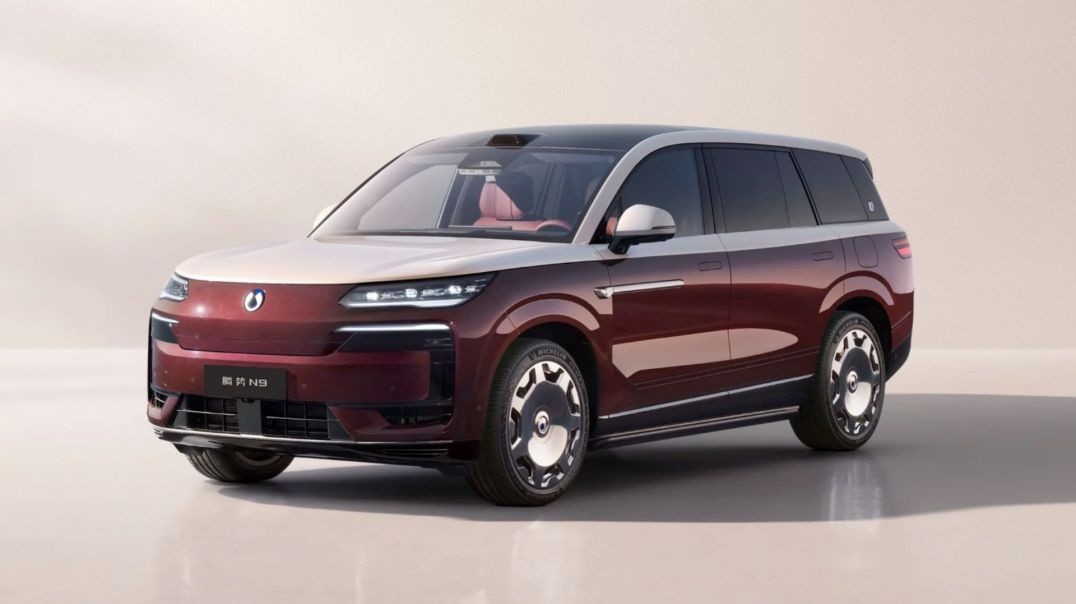
BYD DENZA N9 | Premium Flagship SUV | Next-Generation Luxury & Intelligent Technology
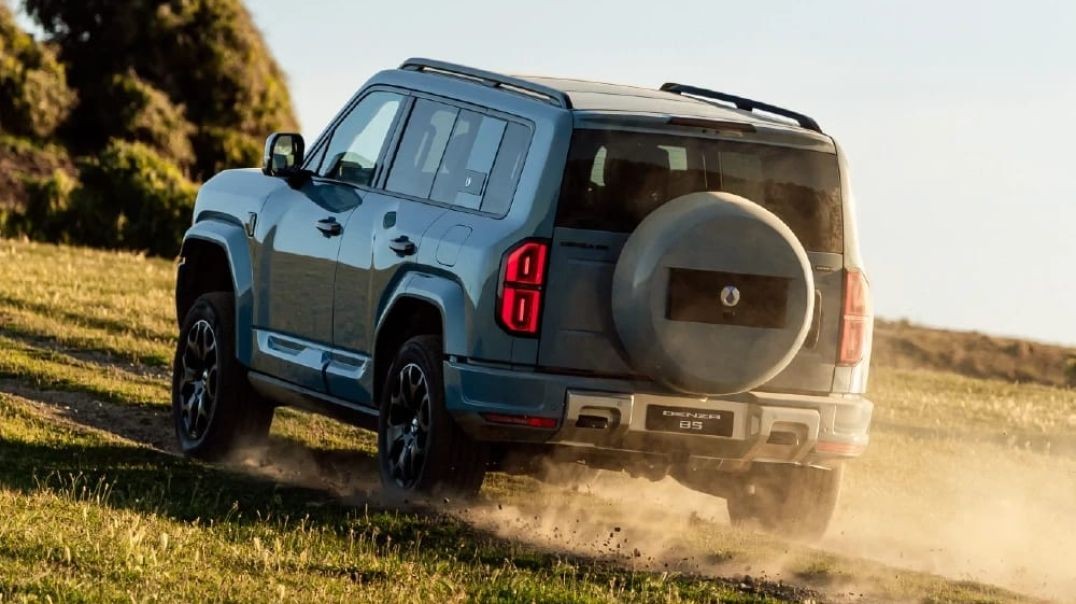
DENZA B5 & B8 | Built for Every Path | Premium SUVs in Auckland, New Zealand

Tour an $8,500,000 Chicago Penthouse with Private Rooftop Garden & Lake Views



The Porsche GT Circle – Cameron Green’s Story of Passion, Precision & Performance

![French Montana - Writing on the Wall ft. Post Malone, Cardi B [Hobbs & Shaw car chase scene]](https://s3.ap-southeast-2.wasabisys.com/cdn.vidude.com/upload/photos/2022/10/qPxdsqWvhwxzoxkf3GpZ_08_f3a7d8d19f12cf5eb493195344626542_image.png)
French Montana - Writing on the Wall ft. Post Malone, Cardi B [Hobbs & Shaw car chase scene]
Up next
Is Tesla’s Roadster Finally Worth the Hype? | Live Event & Electric Supercar Reveal
BYD DENZA N9 | Premium Flagship SUV | Next-Generation Luxury & Intelligent Technology
DENZA B5 & B8 | Built for Every Path | Premium SUVs in Auckland, New Zealand
Tour an $8,500,000 Chicago Penthouse with Private Rooftop Garden & Lake Views
The Porsche GT Circle – Cameron Green’s Story of Passion, Precision & Performance
Community Feedback
0 Comments